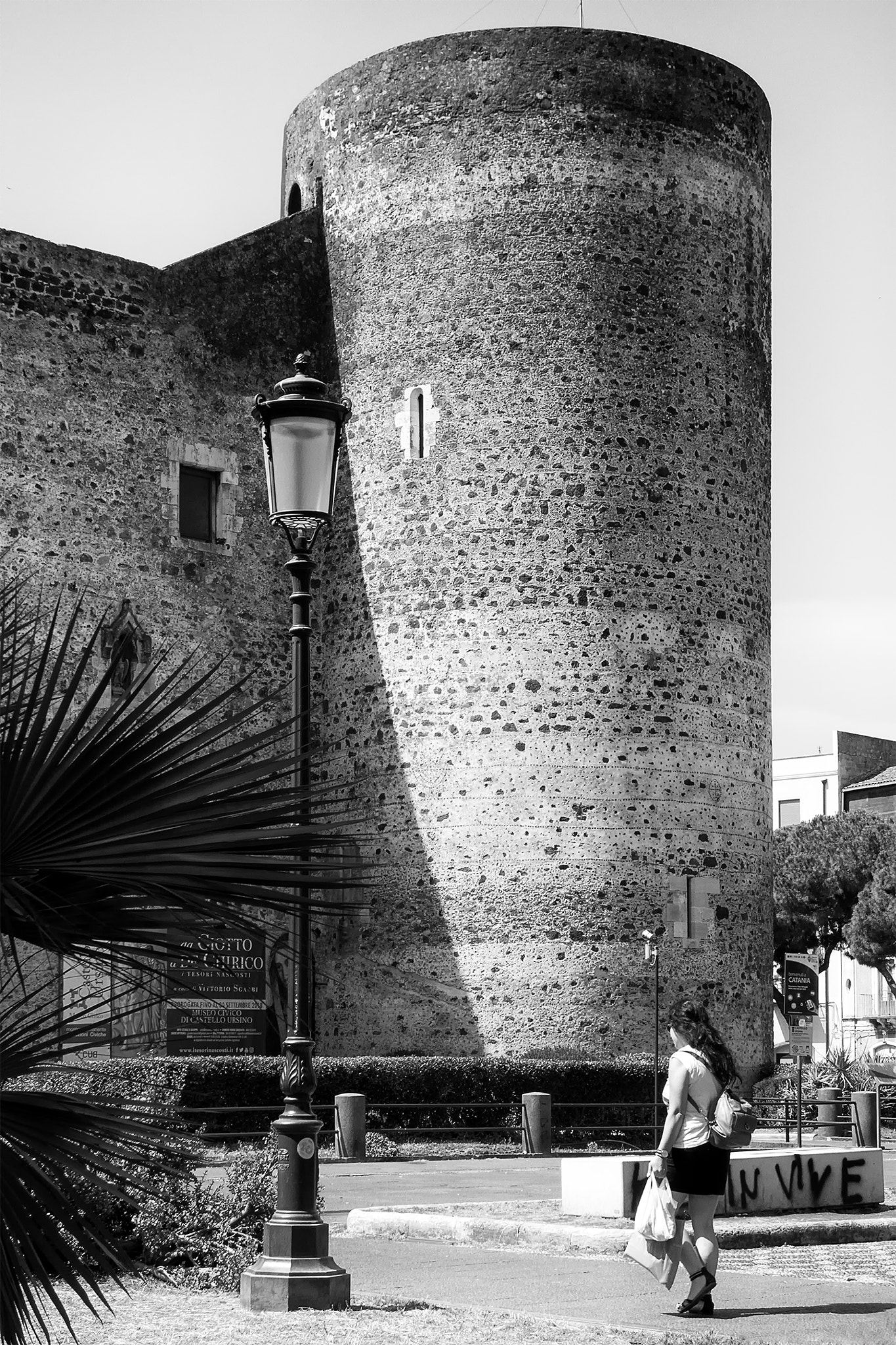
Castello Ursino stands on the edge of Catania’s historic center, a silent witness to Sicily’s turbulent past. Its thick walls, built from the island’s signature black volcanic stone, rise above a square that once held the life of a medieval city. Commissioned in the thirteenth century by Frederick II of Hohenstaufen, the castle was conceived not just as a fortress but as a statement of imperial authority over an island coveted by invaders. Frederick, a ruler known for his passion for architecture and learning, designed the castle with geometric symmetry, clean lines, and little ornamentation. It was never merely a military stronghold; it was a residence where power and prestige intertwined with defense.
The castle’s construction came when the Kingdom of Sicily was at its height. Frederick II sought to consolidate his rule through culture. Castello Ursino became part of this vision, its halls hosting scholars, poets, and philosophers. Yet its fate was far from serene. Within decades of its completion, it withstood an earthquake that devastated Catania, emerging intact but altered by time and nature.
Over the centuries, the castle changed hands and purposes. After the fall of the Hohenstaufen dynasty, it passed to the Angevins, then the Aragonese, and later to Spanish viceroys. Each new power left its mark—additions, alterations—but the core remained. In the sixteenth century, it became a prison. The dungeons, still visible today, bear the graffiti of inmates, their scratched names and drawings a reminder of the lives that unfolded here.
By the nineteenth century, Castello Ursino became a museum. Inside, visitors can explore collections of art—paintings, sculptures, and ancient artifacts. The gallery of Sicilian art showcases works by local masters. But the castle’s greatest treasure is itself: its weathered walls, towers, and courtyards, each layer telling a story of the generations that shaped it.
From the outside, the castle appears imposing, its volcanic stone giving it a stern presence. Inside, it reveals details. Faded frescoes in one hall depict scenes from Frederick II’s life. Elsewhere, coats of arms carved into the walls record the castle’s many owners. The inner courtyard, framed by arched walkways, evokes the sounds of a long-ago court.
Castello Ursino is entwined with Catania’s story. When the earthquake of 1693 leveled much of the city, the castle stood firm, offering refuge. Today, it remains a symbol of the city’s spirit, a quiet counterpoint to the streets around it.
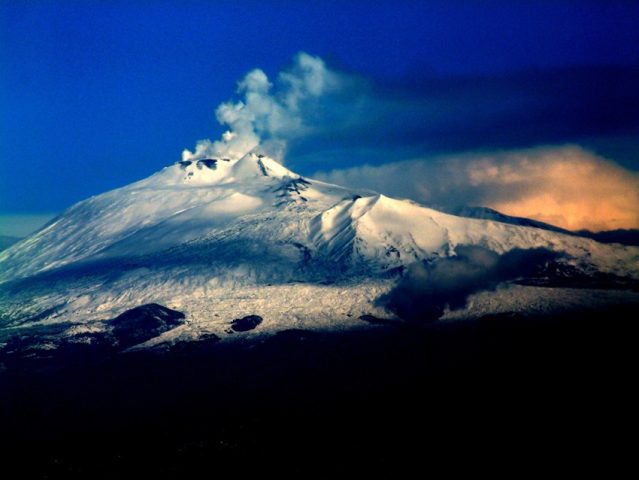
Visiting Castello Ursino lets you see Catania differently. From its towers, the city unfolds toward the sea, and on clear days, Mount Etna looms on the horizon. In the evening, the castle’s walls glow as if the stones themselves are stirring to life.
What makes Castello Ursino special isn’t its perfection. Its walls are worn, its frescoes faded. But that’s what gives it character. There’s no polished sheen here, no attempt to sanitize the past. Instead, there’s authenticity—a sense that every stone holds the memory of those who lived and endured within these walls. The castle doesn’t just recount history; it lets you feel it in the cool shade of its courtyards, in the rough texture of its walls, in the quiet that settles when the day’s visitors have gone.