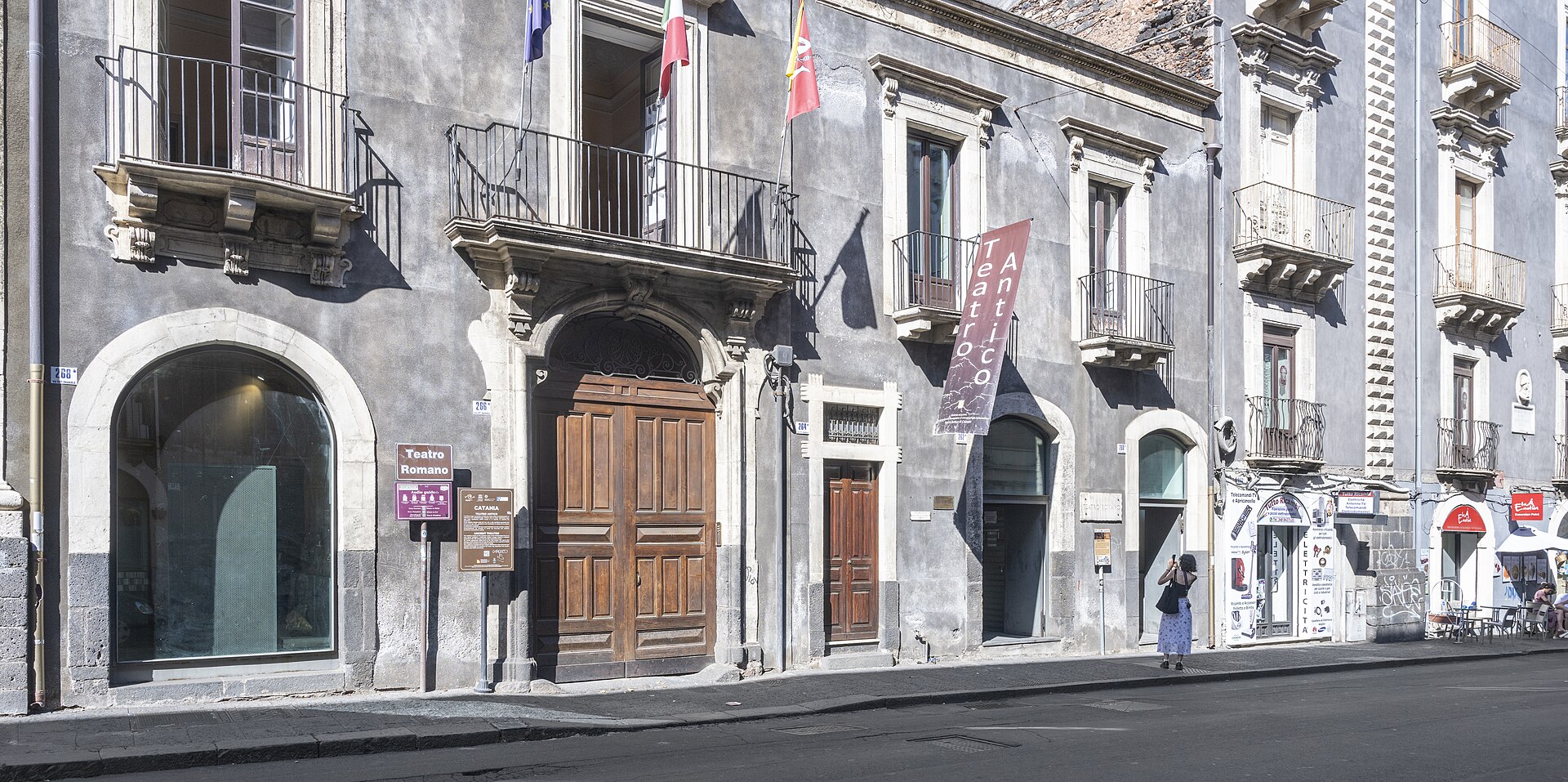
Catania’s Roman Theatre is one of those rare places where history isn’t just preserved—it lingers, woven into the fabric of everyday life. Tucked away in the heart of the old quarter, it sits among narrow streets where artisans’ workshops rub shoulders with cafés, and laundry lines crisscross between balconies overhead. The theatre doesn’t announce itself at first glance; its ruins are partly hidden behind later buildings, and you might walk past without realizing what lies beneath. But if you take the steep, winding alley downward, you’ll find yourself facing a semicircle of massive stone steps descending toward a stage that once held thousands.
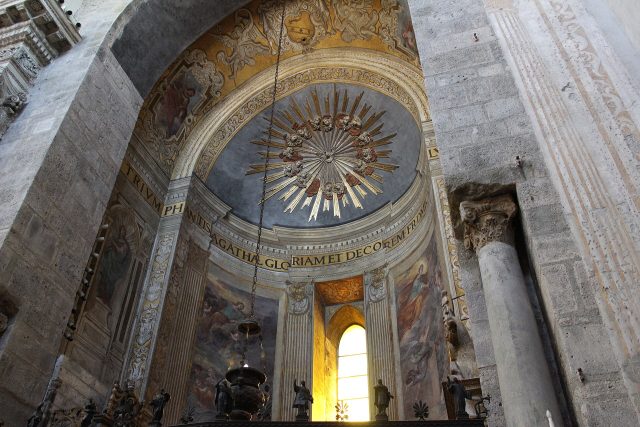
This isn’t just an ancient monument. It’s a testament to Catania’s layered past—a city that has been shaken by earthquakes, buried by volcanic eruptions, and rebuilt time and again, each era leaving its mark. The site dates back to Greek times, but the structure we see today was expanded and reshaped by the Romans in the 2nd century AD. They adapted it for their tastes, staging not only plays but also gladiator fights. Later, in the early Christian period, part of the theatre was repurposed as a burial ground. The stones here tell a story of constant reinvention, where one civilization’s ruin becomes another’s foundation.
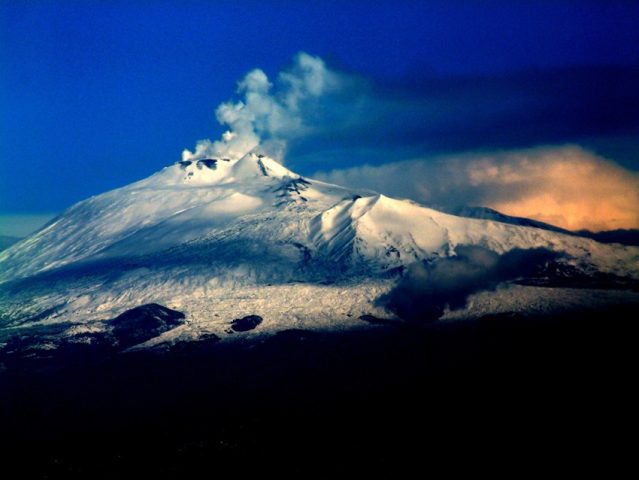
The architecture follows the classic Roman design, with a few local twists. The seating, carved into the hillside, rises in a gentle curve, capable of holding up to five thousand spectators. The stage, or *scaenae frons*, would have been adorned with columns and statues, its backdrop painted to resemble a palace or temple. Today, only fragments remain, but they’re enough to imagine the grandeur of the place in its prime. What’s striking is the material—volcanic stone, the same dark lava that still shapes the landscape around Catania, a reminder of Mount Etna’s ever-present force.
Over the centuries, the theatre fell into disuse. After the fall of the Roman Empire, it was gradually buried under earth and debris, its stones repurposed for medieval churches and palaces. The arena was built over, its memory fading until the 19th century, when Europe’s renewed interest in antiquity led to excavations. Even now, the theatre isn’t fully uncovered; parts of the seating remain hidden beneath modern buildings, and archaeologists still unearth new fragments. It’s a place that refuses to be fully revealed, as if the past is still settling into its final form.
Visiting the theatre isn’t like walking through a museum exhibit. It’s more like stepping into a quiet conversation between eras. Above, the city hums with life—cars honk, neighbors chat, children play—but down among the stones, there’s a hush, broken only by the wind or the occasional murmur of visitors. Sometimes, the theatre comes alive again, hosting concerts or performances where music and voices echo off the ancient walls, just as they did two thousand years ago. It’s a strange feeling, standing in a place that has seen so much change yet remains fundamentally the same.
Nearby, a small museum displays artifacts unearthed during excavations—fragments of statues, mosaics, everyday objects. Among them are lead tokens, likely used as tickets, and pieces of pottery with scratched inscriptions, perhaps left by ancient spectators. Each item is a small window into the lives of those who once filled these seats. They remind you that this wasn’t just a monument; it was a place where people gathered, laughed, argued, and were moved by stories just as we are today.
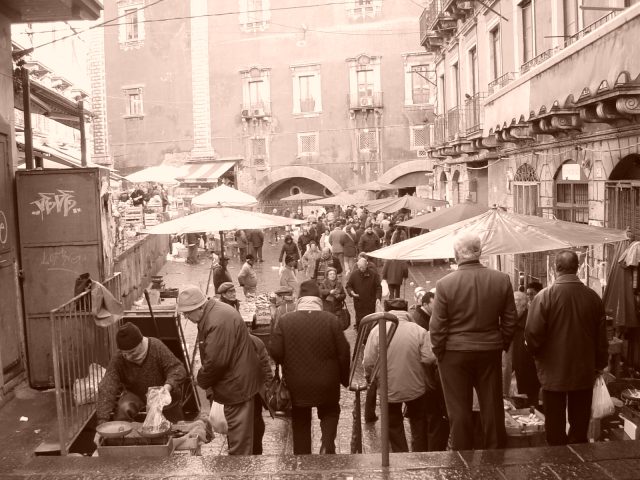
Catania is a city of contrasts, where baroque churches stand beside ancient ruins and bustling markets spill into quiet courtyards. The Roman Theatre is one of its quietest treasures, a reminder that history here isn’t confined to plaques and glass cases—it’s in the very stones underfoot. It may not have the fame of the Colosseum or Pompeii, but that’s part of its charm. There’s no crowd, no grand entrance, just the sense of stumbling upon something that has endured, half-hidden, waiting to be noticed.
If you find yourself in Catania, don’t rush straight to the sea or the main square. Take a moment here. Sit on the steps, listen to the silence, and try to picture the scene as it once was—actors on the stage, the murmur of the crowd, the statues of gods looming overhead. In a city that has been broken and rebuilt so many times, this theatre feels like a quiet anchor, a place where the past isn’t just remembered but still feels alive. Maybe that’s why Catania has a way of getting under your skin. It doesn’t just show you its history; it lets you feel it.