- Home
- South Africa
- Soweto
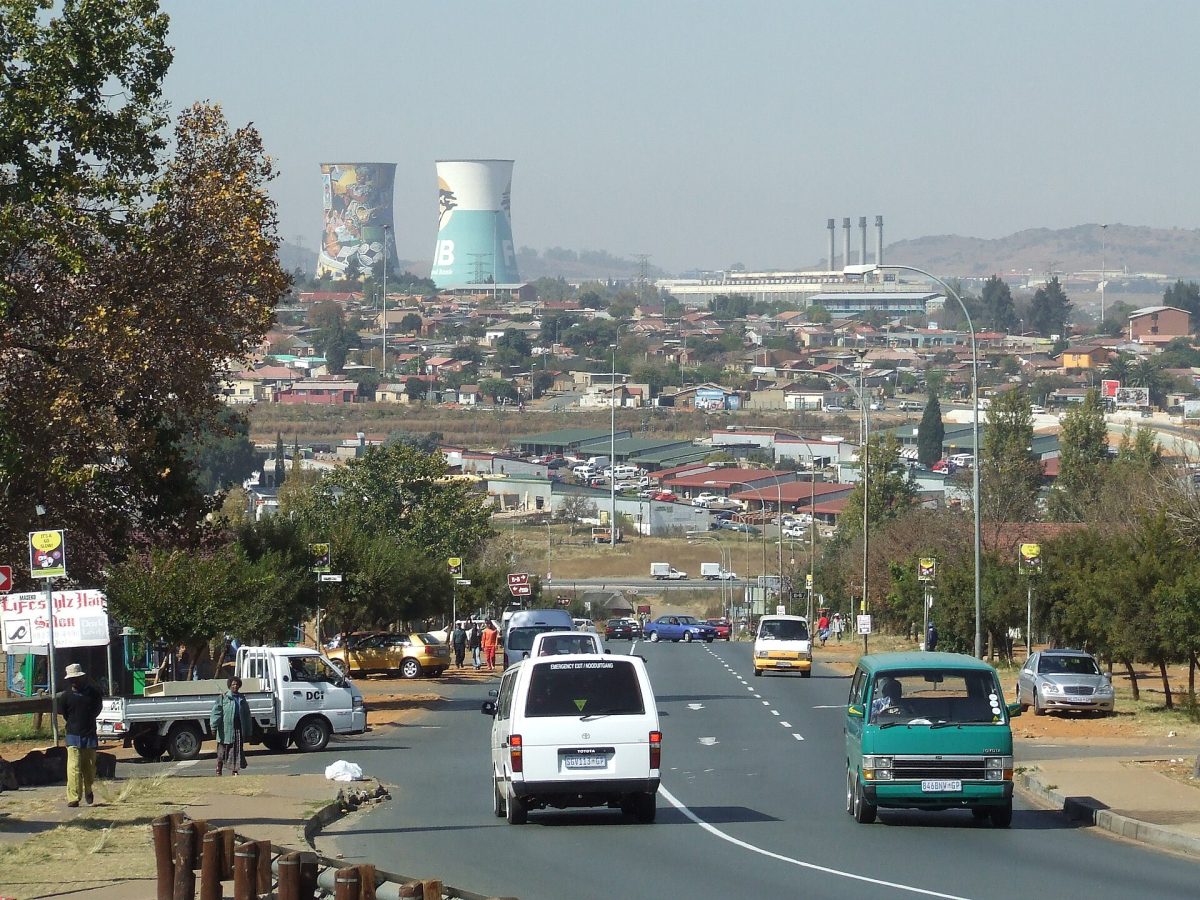
Soweto
South Africa · 6 places
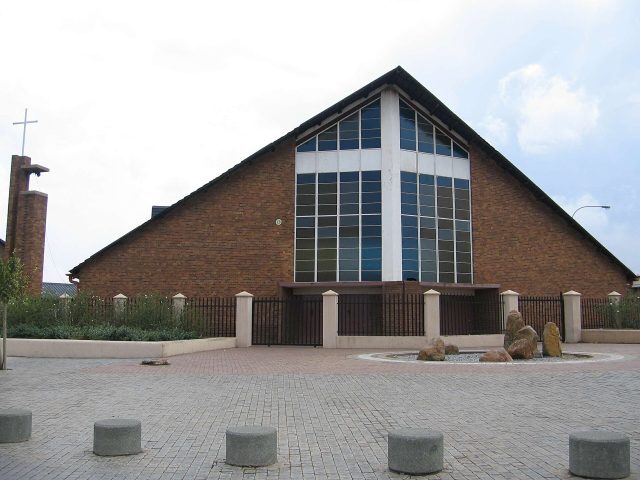
Photo: Michael Denne from Hobart, Australia, CC BY-SA 2.0
Soweto isn’t just another suburb of Johannesburg—it’s a place with its own pulse, its own stories, and a rhythm that refuses to be ignored. The streets hum with life, from the narrow lanes lined with brightly painted houses to the bustling markets where vendors sell everything from fresh fruit to handmade jewelry. This was once a township built to house Black workers in the early 20th century, and today it stands as a living testament to resilience, where the past and present collide in unexpected ways. There are no skyscrapers or manicured boulevards here, but what you’ll find instead is something far more compelling: a raw, unfiltered sense of place that feels like the true heart of South Africa.
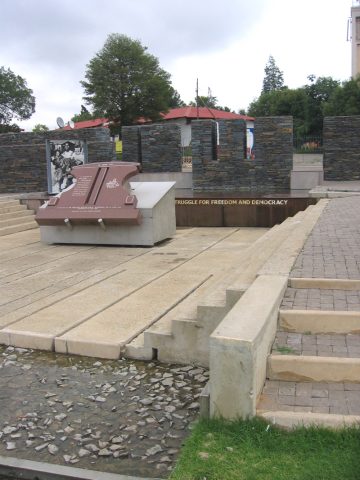
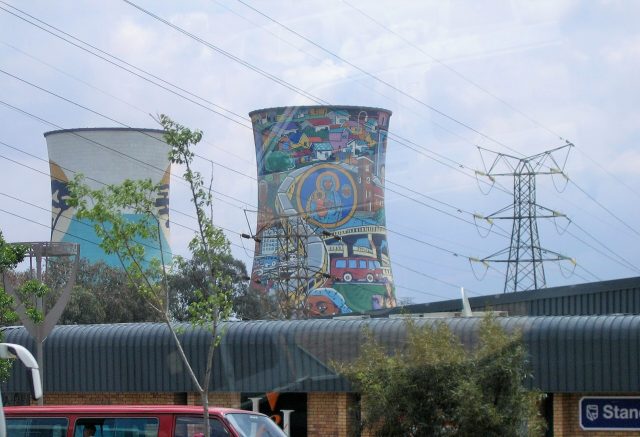
The history of Soweto is inseparable from the struggle against apartheid. It was here, in 1976, that schoolchildren took to the streets in protest against the forced use of Afrikaans in schools, an uprising that would become a turning point in the country’s fight for freedom. The echoes of that era are still visible—memorials, museums, and streets named after those who fought and fell. In Orlando West, the modest brick house where Nelson Mandela once lived has been turned into a museum, a quiet reminder of the man who would later lead the nation. Walk through Soweto, and history isn’t just something you read about; it’s in the murals on the walls, the stories shared by locals, and the quiet courtyards where older residents still recall those turbulent years.
Life in Soweto spills out onto the streets. Mornings start with the smell of freshly baked bread and strong coffee, while evenings bring the sound of music and laughter drifting through the air. Small eateries serve up traditional dishes—spicy curries, tender vetkoek fried to golden perfection, and meat slow-cooked over open flames. Markets overflow with vibrant fabrics, handcrafted souvenirs, and the kind of energy that makes browsing feel like an event. Then there’s Soccer City, the stadium that hosted the 2010 World Cup, a place where football isn’t just a game but a cultural force that brings communities together. For many here, the sport is a shared language, a reason to gather, celebrate, and keep the spirit of the township alive.
Despite its challenges, Soweto has a way of making life feel full. There’s no pretension here, no polished veneer—just an openness that’s hard to find elsewhere. Locals often welcome visitors into their homes for tea and conversation, eager to share their stories. Cycling tours have become a popular way to explore, offering a chance to ride past the Hector Pieterson Memorial, peek into local workshops, or simply stop for a chat with residents who are always happy to talk. There’s no tourist trap in Soweto, no staged authenticity. What you get instead is something far more valuable: real connections, real conversations, and the sense that you’ve glimpsed something honest and enduring.
See & Do
All of them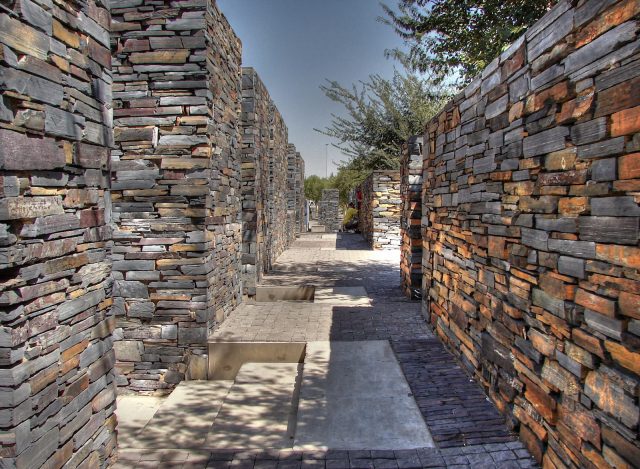
Stay
All of them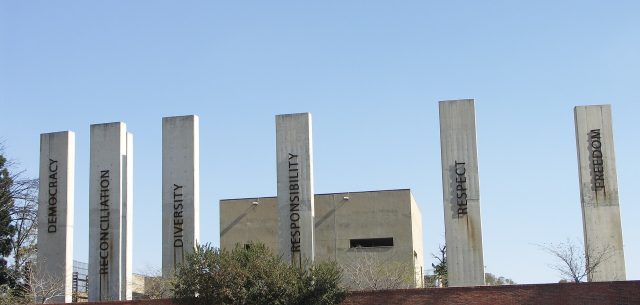
Places on the map
Marker colour follows the categoryClimate and weather
Detailed weather: Soweto- Average temperature
- 16 °C
- Precipitation per year
- 649 mm
Average air temperature
°C
20
20
19
16
13
10
10
14
18
19
19
19
Jan
Feb
Mar
Apr
May
Jun
Jul
Aug
Sep
Oct
Nov
Dec


