The Hector Pieterson Museum and Memorial in Soweto stands as a quiet but powerful testament to a moment that shook South Africa and reverberated across the world. It was here, in June 1976, that schoolchildren took to the streets to protest the imposition of Afrikaans as the mandatory language of instruction in their schools. What began as a peaceful demonstration turned into a tragedy when police opened fire on the crowd. Among the first to fall was thirteen-year-old Hector Pieterson, whose lifeless body, carried in the arms of a fellow student while his sister ran beside them, was captured in a photograph that became one of the most enduring images of the anti-apartheid struggle. The museum and memorial do not exist merely to document history—they serve as a reminder of how easily peace can fracture when power is wielded without conscience.
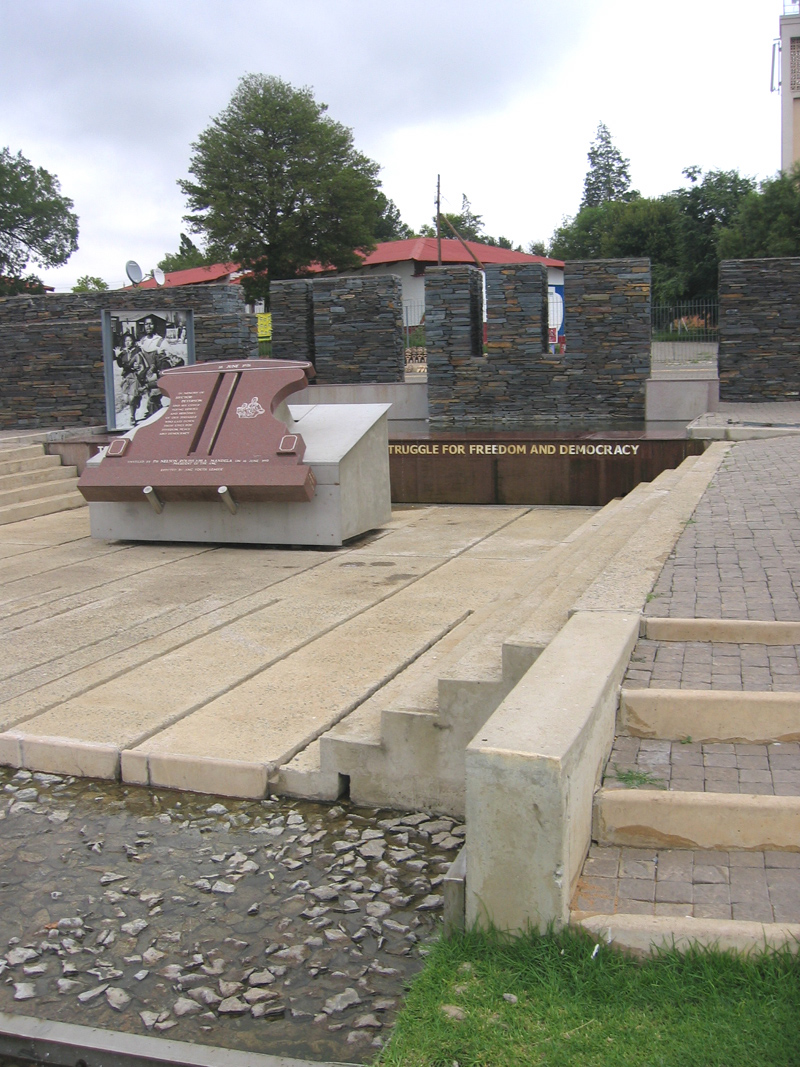
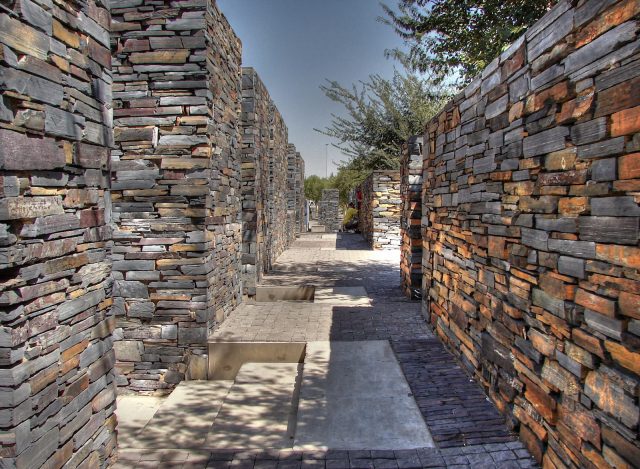
Located in Orlando West, the heart of Soweto where the protests originated, the museum occupies a building that is unassuming in its design yet deliberate in its symbolism. The architecture blends modern lines with raw, exposed materials—concrete walls, expansive windows that flood the space with natural light, and open areas that encourage reflection. Inside, the exhibits are stripped of unnecessary embellishment. There are no dramatic reenactments or softened narratives, only the unvarnished truth presented through photographs, documents, and personal accounts. The museum does not ask visitors to passively observe; it invites them to step into the past, if only for a moment, and confront the weight of what happened here.
One of the most striking sections of the museum is the hall dedicated to the uprising itself. The walls are lined with photographs from those days—crowds of students holding signs, police with weapons drawn, burning vehicles. Audio recordings of speeches, shouts, and gunfire play in the background, creating an immersive experience without crossing into exploitation. Nearby, personal items belonging to those who died—diaries, letters to parents, school uniforms—bring the history into sharp focus. These details make the past feel immediate, almost tangible. Each name on the memorial wall represents a life, not just a statistic, and the museum ensures that their stories are not reduced to mere footnotes in a larger narrative.
Outside, the memorial courtyard offers a space for quiet contemplation. At its center stands a bronze sculpture depicting Hector Pieterson’s body cradled in the arms of his sister and another young man. The scene is both intimate and devastating, a frozen moment of grief that has come to symbolize the broader tragedy of that day. A granite wall nearby bears the names of all those who lost their lives in the June 1976 protests. The cobblestone path leading to the memorial seems to guide visitors forward, urging them to pay their respects. Over the years, people have left flowers, notes, and even schoolbooks at the site—a gesture of remembrance from those who were born long after the events but whose lives are still shaped by them.
While the museum is rooted in the past, it also engages with the present. Exhibits explore how South Africa has changed since the fall of apartheid, the challenges that remain, and how younger generations perceive the legacy of those years. Educational programs for schoolchildren, seminars, and discussions with survivors of the 1976 protests keep the conversation alive. The museum feels dynamic, almost alive—one moment, a lecture might be underway in one room, while in another, visitors sit in quiet conversation. It is a place that refuses to be static, fostering dialogue even when that dialogue is difficult.
Soweto is often associated with the struggle against apartheid, and the Hector Pieterson Museum is one of its most significant landmarks. Yet there is no touristy hustle here, no forced cheerfulness. People come not for entertainment but for understanding. The area around the museum is a living neighborhood—street vendors selling fruit, schoolchildren in uniforms hurrying to class, elderly women sitting outside their homes. This juxtaposition serves as a reminder that the history the museum preserves is not confined to the past; it is woven into the fabric of everyday life in Soweto.
For many South Africans, the museum is a place of pilgrimage. Families bring their children to teach them about the sacrifices of previous generations. Veterans of the struggle come to honor fallen comrades. Foreign visitors are often brought here to see a side of the country that is not polished for tourists but is essential to understanding its identity. In this way, the museum plays a vital role—it ensures that the past is not forgotten, but it also refuses to let tragedy define the future. It shows how pain and loss can give rise to something new when faced with honesty and courage.
A visit to the Hector Pieterson Museum leaves a complex mix of emotions. There is the weight of recognizing how many lives were lost to a system built on division and hatred. But there is also a sense of hope—hope that remembering the past can prevent its repetition, that younger generations might build a society where discrimination has no place. The museum does not offer easy answers, but it compels visitors to ask questions, both of themselves and of the world around them. In that way, it fulfills its most important purpose: not just to preserve history, but to challenge those who engage with it.