The Hector Pieterson Museum stands in Soweto as a quiet but powerful testament to a moment that shook South Africa and reverberated across the world. It takes its name from a thirteen-year-old boy whose death on June 16, 1976, became one of the most haunting symbols of the struggle against apartheid. The image of Hector Pieterson’s lifeless body being carried through the streets, his sister running beside him in distress, is one of those rare photographs that capture history in a single frame. It didn’t just document an event—it forced the world to see the brutality of a system that treated children as enemies. The museum doesn’t just commemorate that day; it invites visitors to step into the story behind it, to understand how a single act of defiance by schoolchildren set in motion forces that would eventually reshape a nation.
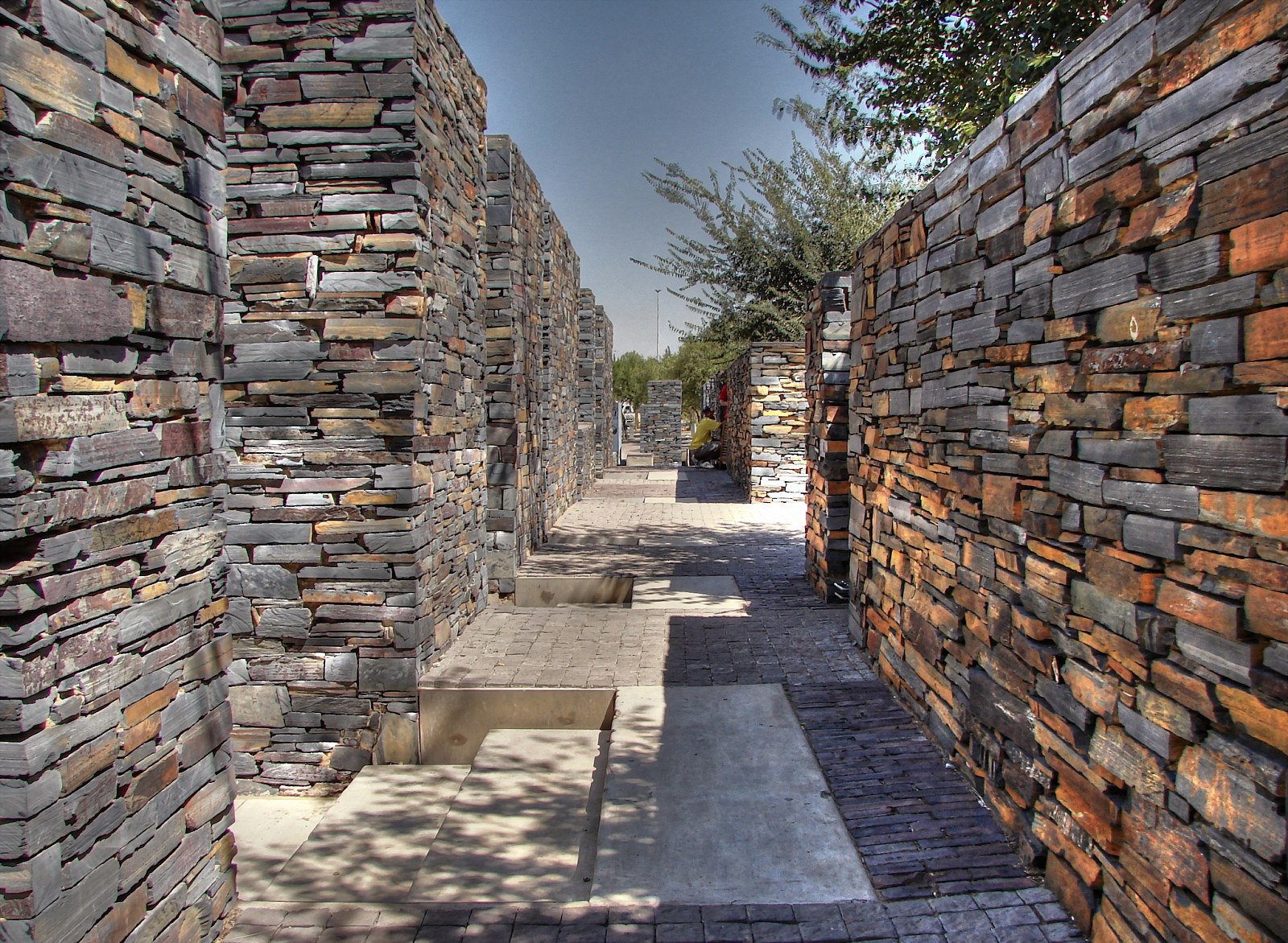
The museum sits just blocks from where the protests began, on a stretch of road that looks much the same as it did nearly fifty years ago. Soweto’s narrow streets, lined with small brick houses and laundry strung between poles, still carry the echoes of that morning when students marched against a government decree forcing them to learn in Afrikaans, a language many associated with oppression. The police response was swift and violent. Hector was one of the first to fall, but he wasn’t the last. The museum’s location isn’t accidental—it’s a deliberate choice to ground the history in the place where it happened, where the past isn’t confined to textbooks but lingers in the very air. Walking through the neighborhood today, you can still sense the tension of that era, the way history clings to the walls and sidewalks like a second skin.
Inside, the museum avoids the dry recitation of facts that so often makes history feel distant. Instead, it builds its narrative around people—their voices, their fears, their small acts of courage. The exhibits are a mix of photographs, personal belongings, and recorded testimonies, all arranged to pull visitors into the emotional weight of the moment. One section recreates the chaos of that June morning: the sound of gunfire, the shouts of protesters, the confusion of a crowd scattering under fire. It’s unsettling, but it’s not meant to shock for shock’s sake. The museum doesn’t soften the edges of what happened; it presents the reality as it was, unfiltered. There are no grand heroes here, just ordinary people—students, teachers, parents—caught in a moment that demanded more of them than they ever expected to give.
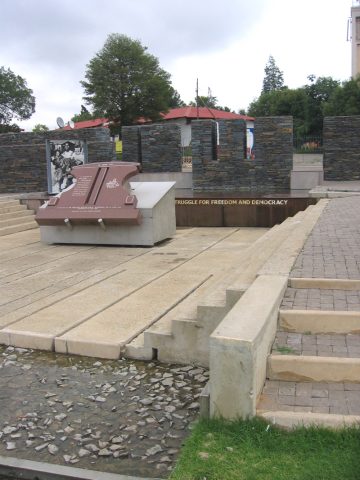
The building itself is a study in contrast. Its modern design, with clean lines and expansive windows, stands out against the cramped streets of Soweto. Where the neighborhood feels dense and lived-in, the museum offers space—wide halls, high ceilings, walls left bare except for the words of those who lived through the events. The architecture isn’t just functional; it’s part of the storytelling. The openness of the interior feels like an invitation to pause, to reflect, to sit with the weight of what you’ve seen. Quotes from protesters and activists are scattered throughout, serving as reminders that the fight for justice didn’t end with the fall of apartheid. Some of the voices are defiant, others weary, but all of them insist on being heard.
What makes the museum particularly compelling is its refusal to simplify the story. It doesn’t just focus on Hector or the other victims; it widens the lens to include the thousands of students who marched, the parents who supported them, the journalists who risked everything to document the truth, and the women whose roles in the protests were often overlooked. One exhibit highlights the mothers who organized after the shootings, turning their grief into action. Another features the photographers who captured the violence, knowing their cameras might be the only thing standing between the world and official denial. The museum makes it clear that history isn’t made by a few famous names but by countless individuals who, in a moment of crisis, choose to stand up.
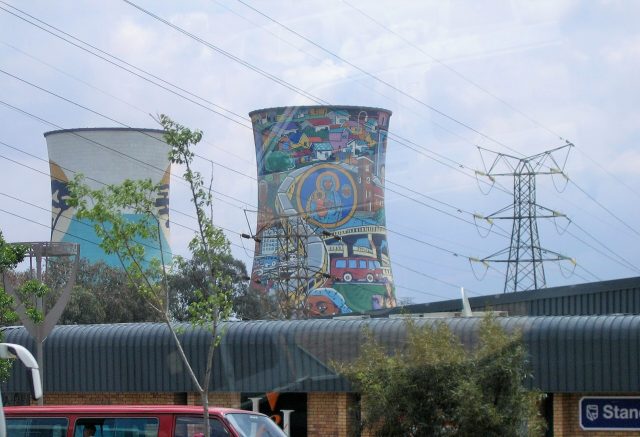
Soweto itself is more than just a backdrop to the museum. It’s a place with its own rhythm, its own stories, its own contradictions. Once the epicenter of resistance to apartheid, it’s now a vibrant, bustling neighborhood where the past and present coexist. The streets hum with music from shebeens, the scent of cooking fires mixes with the smell of exhaust, and murals on the walls celebrate both struggle and resilience. The museum fits naturally into this landscape, not as a relic but as a living part of the community. Many visitors pair their trip here with a walk through Soweto, stopping at local eateries or chatting with residents who remember the events of 1976 firsthand. It’s a reminder that history isn’t just something you read about—it’s something you can feel in the way a place moves and breathes.
For South Africans, the museum holds a special significance. It’s a place of pilgrimage, where families bring children to learn about a chapter of history that isn’t always taught in schools. Educational programs here are designed to make sure younger generations understand not just what happened, but why it matters. Yet the museum doesn’t dwell solely on the past. It asks visitors to consider what justice and equality look like today, to reflect on the work that remains unfinished. In that sense, it’s less a memorial and more a conversation—one that continues long after you’ve left its walls.
Leaving the museum, it’s hard not to feel the weight of what you’ve seen. There’s grief, of course, for the lives lost and the futures stolen. But there’s also something else—a quiet admiration for the people who refused to be broken, who kept fighting even when the odds were impossible. The museum doesn’t offer easy answers or neat resolutions. Instead, it leaves you with questions: What would you have done in their place? What does it mean to be part of a story larger than yourself? And how do you carry that story forward? That’s the power of this place. It doesn’t just preserve history; it asks you to live with it.