Hamadan
Iran · 7 places
Photo: Alireza Javaheri, CC BY 3.0
Hamedan is one of those rare places where history isn’t confined to museums or guidebooks—it seeps through the cracks in the pavement, lingers in the scent of spices at the bazaar, and watches you from the weathered stones of ancient walls. Nestled at the foot of the Alvand Mountains in western Iran, this city was once the capital of the Median Empire, a powerful kingdom that shaped the region long before the rise of Persia. Later, it became a vital stop on the Silk Road, a crossroads where merchants, scholars, and travelers left their mark. Today, Hamedan moves at its own unhurried pace, a place where the past isn’t preserved in glass cases but woven into the fabric of everyday life.
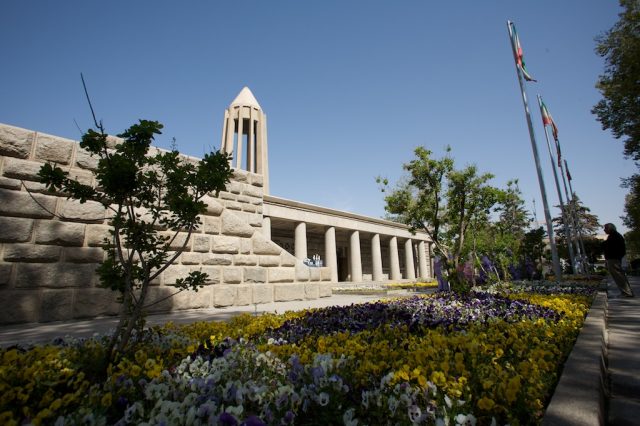
The heart of the city beats around Imam Khomeini Square, where narrow lanes branch out like veins, each one leading to another layer of history. The old quarter is a maze of mosques with turquoise-tiled minarets, domed bathhouses that once buzzed with gossip and steam, and covered bazaars where copper pots gleam under shafts of sunlight. The air is thick with the aroma of saffron, dried limes, and freshly baked bread. One of the city’s most revered landmarks is the mausoleum of Avicenna, the 11th-century polymath whose medical texts were studied across the Islamic world and Europe. The modern tomb, built in the mid-20th century, stands as a quiet monument to a man who called Hamedan home for part of his life, though the city itself is far older than his legacy.
Nature here isn’t just scenery—it’s part of the city’s soul. The Alvand Mountains rise sharply behind Hamedan, their slopes offering a cool escape in summer and a playground for skiers in winter. Locals and visitors alike hike the trails, where wildflowers bloom in spring and the air grows thin enough to make your lungs work. Beyond the city, the landscape holds other surprises: the Ali Sadr Caves, a labyrinth of underground lakes where you can drift in a boat through chambers lit by eerie, reflected light, and the Ganjnameh Waterfalls, where ancient inscriptions from the Achaemenid era are carved into the rock, a reminder that this land has been written upon for millennia.
Hamedan doesn’t feel like a tourist destination, nor does it slip into the slow fade of a forgotten town. It’s a place where life unfolds at a human scale—where shopkeepers remember your name, families gather in the squares at dusk to sip tea and listen to musicians, and the rhythm of the day is set by the call to prayer, not the honking of cars. The food here is a story in itself: steaming bowls of *ash-e reshteh*, a thick noodle soup studded with herbs and beans; *sholeh zard*, a fragrant saffron rice pudding; and *pahlava*, layers of flaky pastry drenched in honey. You’ll find it all in the city’s cafés and teahouses, where low cushions invite you to linger, watching the world go by through arched windows.
This isn’t a city that reveals itself all at once. To understand Hamedan, you have to wander without a map, duck into the courtyards of old houses, and let the locals tell you their stories. It’s a place where the past isn’t just remembered—it’s lived. For travelers passing through on their way to Tehran or Isfahan, Hamedan might seem like a detour, but those who stay awhile find something far richer: a city where time moves differently, where the weight of history feels as natural as the mountain air.
See & Do
All of them

Places on the map
Marker colour follows the categoryClimate and weather
Detailed weather: Hamadan- Average temperature
- 13 °C
- Precipitation per year
- 300 mm
- Sunshine hours per day
- 8.6 h
Average air temperature
°C
-0
1
6
12
17
23
27
26
21
14
6
2
Jan
Feb
Mar
Apr
May
Jun
Jul
Aug
Sep
Oct
Nov
Dec