
Skardu
Pakistan · 8 places
Photo: Wikimedia Commons, CC BY-SA 2.5
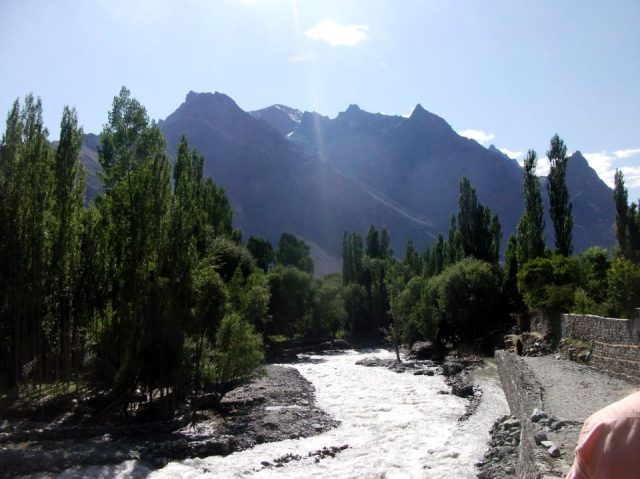
Nestled in the vast embrace of northern Pakistan, Skardu sits where the Himalayas and the Karakoram ranges collide, a quiet outpost surrounded by jagged peaks that wear their snow like a permanent crown. The air here is thin and sharp, carrying the scent of pine and distant glaciers, while the sky stretches so close it feels like you could reach up and touch it. This is a place where the earth rises abruptly, where the world narrows to the essentials—rock, ice, and the slow, steady breath of the mountains.
Skardu is the threshold to some of the most formidable landscapes on the planet. It’s the last stop before the trails that lead to K2, the second-highest mountain in the world, and a hub for those drawn to the raw, unyielding beauty of the high altitudes. Yet the town itself moves at a different pace, untouched by the frenzy of the lowlands. Life here is measured in the rise and fall of the sun over the ridges, in the steady flow of the Indus River cutting through the valley, and in the quiet rhythm of daily routines that have remained unchanged for generations.
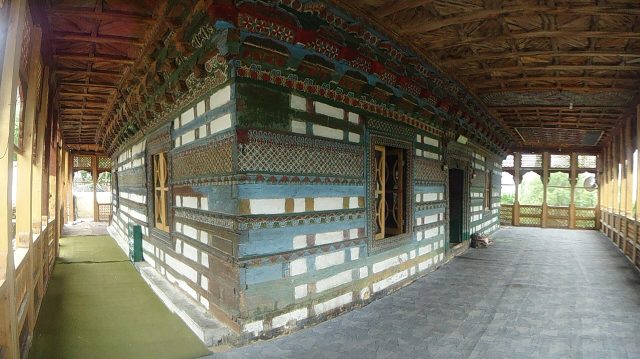
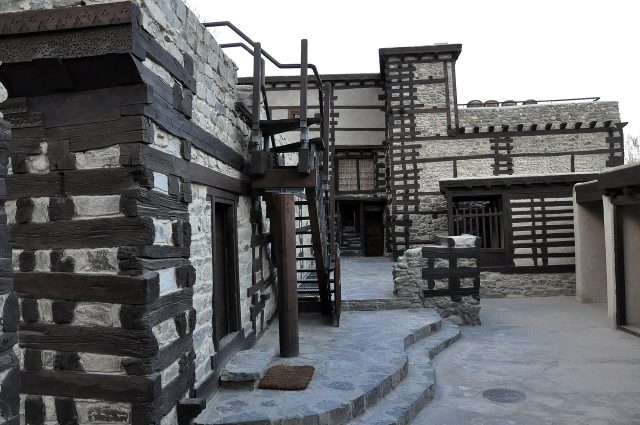
The valley has long been a crossroads, a place where trade routes once wove together Central Asia and the Indian subcontinent. That history lingers in the faces of the people—descendants of nomads, Tibetan monks, Balti traders, and soldiers who settled here over centuries. It’s there in the architecture, too, in the sturdy stone houses with their flat roofs, in the ancient petroglyphs etched into boulders, and in the crumbling monasteries where prayer flags flutter in the wind. Islam and Buddhism coexist here without friction, each shaping the culture in subtle ways, from the call to prayer echoing over the rooftops to the quiet hum of mantras in the high-altitude gompas.
Skardu is not a city of crowds or chaos. There are no sprawling markets like in Lahore or the relentless energy of Karachi. Instead, the streets are narrow and winding, lined with apricot trees and poplars, where the only sounds are the distant rush of the river, the cry of eagles circling overhead, and the occasional rumble of a jeep navigating the rough roads. The town is small, almost modest, but it carries a weight of its own, a sense of being at the edge of something vast and untamed.
Beyond the town, the landscape unfolds in layers of grandeur. A few hours’ drive away, the lakes of Satpara, Kachura, and Shangrila shimmer like jewels in the rugged terrain, each with its own quiet magic. Shangrila’s famous hotel, built to resemble a crashed airplane, is a quirky nod to the valley’s reputation as a hidden paradise. Nearby, ancient rock carvings tell stories of travelers and traders who passed through centuries ago, their marks still visible on the weathered stone. The monasteries, perched on cliffs or tucked into folds of the mountains, feel suspended in time, their walls adorned with faded murals and their courtyards filled with the scent of juniper smoke.
Life in Skardu is dictated by the seasons. Summer brings a slow influx of trekkers, climbers, and adventurers, their presence adding a fleeting pulse to the town’s usual tranquility. The bazaars fill with the murmur of foreign languages, and the guesthouses hum with activity as maps are spread out over low tables and plans are made for the days ahead. But winter is a different story. The valley hunkers down under a thick blanket of snow, the roads all but disappearing, and the town retreats into itself. Only the hardiest vehicles make the journey along the single road that connects Skardu to the outside world, their headlights cutting through the dark as they navigate the treacherous passes.
The people here are as resilient as the land they inhabit. They’ve learned to live with the harshness of the climate, the isolation, and the unpredictability of life at high altitude. Yet there’s a warmth to them, an unspoken hospitality that manifests in steaming cups of butter tea or the quiet offer of a place by the fire. They don’t court tourists, nor do they turn them away. Instead, they accept visitors as part of the landscape, another fleeting presence in a place where time moves differently. To spend a few days in Skardu is to step into a world that feels both ancient and immediate, where the mountains are not just a backdrop but a living, breathing force.
See & Do
8 places
Places on the map
Marker colour follows the categoryClimate and weather
Detailed weather: Skardu- Average temperature
- 8 °C
- Precipitation per year
- 1137 mm
Average air temperature
°C
-2
-1
3
5
10
16
21
20
17
8
3
-1
Jan
Feb
Mar
Apr
May
Jun
Jul
Aug
Sep
Oct
Nov
Dec


