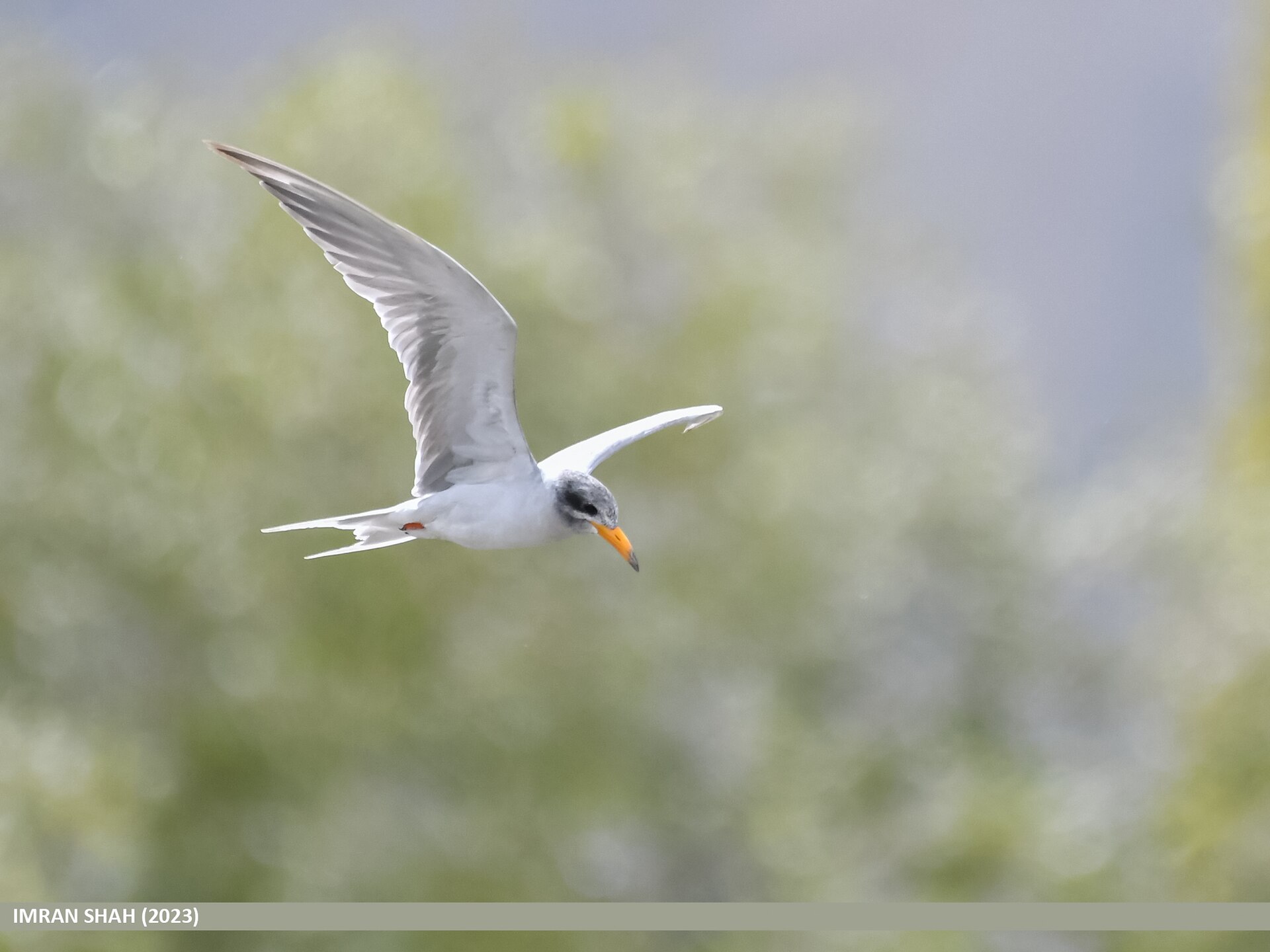
Katpana Lake, often called Cold Lake, sits quietly in the heart of Skardu—a town many consider the gateway to the Himalayas. It isn’t just a body of water; it’s a place where the earth seems to rise up to meet the sky, where the only sounds are the wind moving through the rocks and the occasional cry of a bird. At around 2,500 meters above sea level, the lake lives up to its name. Even in the height of summer, the water stays cool, and in winter, a thin layer of ice forms across its surface. Locals say it was born when a landslide dammed a mountain stream, though no one knows exactly how long ago that happened. The landscape around it is stark—rocky hills dotted with sparse shrubs, and in the distance, snow-capped peaks that look untouchable.
Skardu and its surroundings have long been a crossroads of cultures. The lake lies near an ancient trade route that once connected Central and South Asia, where caravans carried silk, spices, and gemstones. The people here acted as guides for travelers, and though the trade routes have faded into history, the echoes of that past still linger. Today, you might see shepherds herding sheep along the slopes or nomads passing through from distant valleys. The lake itself is small, but its importance to the community is hard to overstate. Its water irrigates fields, and in dry years, it becomes a lifeline for farmers. In summer, women wash clothes along the shore while children play in the shallows. Despite its proximity to town, the lake feels removed from time, a quiet corner where life moves at its own pace.
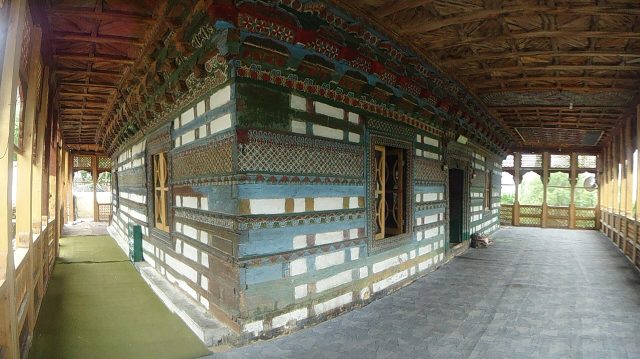
There are no grand monuments or architectural wonders here—just the raw beauty of the landscape. But a short distance away, Skardu’s other landmarks offer a glimpse into the region’s history. The Skardu Fort, perched on a cliff, was built in the 16th century as a stronghold for local rulers. Its walls have witnessed centuries of conflict and change. Nearby, the Hazrat Ali Mosque stands as a place of worship and reflection, named after one of the companions of the Prophet Muhammad. These sites, along with the lake, paint a picture of a place shaped by both nature and human hands.
Katpana Lake is also a starting point for walks and short hikes. Trails wind through the surrounding hills, leading to villages and viewpoints that offer sweeping vistas of the Skardu Valley. One path takes you to the village of Shagar, where traditional stone-and-mud houses blend into the landscape. The climb isn’t easy, but the views make it worthwhile. Early autumn is especially striking, when the hills turn gold and red, and the air is crisp and clear. The lake itself changes with the seasons. In winter, the wind strips the last leaves from the shrubs, and the water freezes over. Few visitors come during these months, and the silence feels even deeper. Some say snow leopards roam the area, though sightings are rare. The stillness of winter gives the place a timeless quality, as if the world beyond has ceased to exist.
What makes Katpana Lake special is its lack of fame. It isn’t a major tourist destination, and that’s its greatest strength. There are no crowds, no souvenir stalls, no guides trying to sell you something. It’s a place for those who want to escape noise and distraction, to sit by the water and listen to the wind. Skardu has become more accessible in recent years, but the lake remains off the beaten path, untouched by mass tourism. That’s why it still feels authentic—a small piece of the world as it once was.
Visiting the lake doesn’t require much preparation. A bottle of water, a light snack, and a warm layer for the evenings are enough. The people here are welcoming, always ready to offer help if needed. But it’s important to remember that this isn’t a resort. It’s a wild place, and respecting the land and its people is essential. Leave no trace, keep noise to a minimum, and avoid intruding on the lives of those who call the nearby villages home. Katpana Lake isn’t just a scenic spot; it’s part of a living landscape with its own rhythms and rules.
For many travelers, Skardu and its surroundings come as a revelation. Here, the Himalayas aren’t just distant peaks—they’re part of everyday life. The lake is just one piece of that puzzle, but it offers a sense of how vast and varied Pakistan truly is. There are no luxury hotels or fine-dining restaurants, just the chance to see a world that has remained largely unchanged for centuries. In a time when so much of travel feels curated and commercialized, places like Katpana Lake remind us that some of the most meaningful experiences come from simply being present in a place, without fanfare or spectacle. That, perhaps, is the real gift of such destinations.