Satpara Bazaar sits at the quiet heart of Skardu. The air carries the scent of woodsmoke, spices, and bread fresh from the oven.
The market’s lanes wind between low stone and timber shops. Wooden awnings offer shade from the sun and shelter when it rains. This place has stood for generations—arched doorways, weathered shutters, and voices in Balti, Urdu, and English.
Skardu is the gateway to the Himalayas, and Satpara Bazaar shows it. Here, you’ll find boots, hand-knit socks, dried apricots, and local cheese. But the market is about the rhythm of daily life. Mornings begin with elders sipping tea before vendors unpack. By midday, the lanes fill with locals, herders, and travelers. They come for the goods, but also for the way people talk, bargain, and linger.
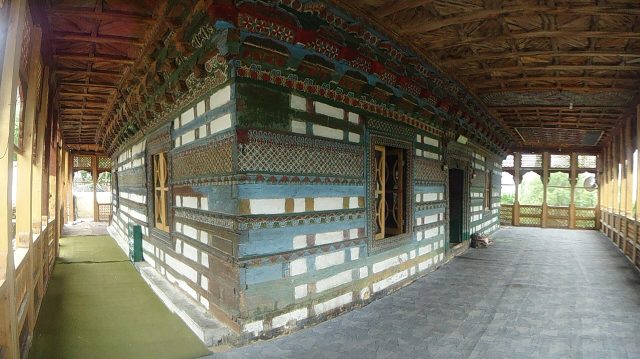
The buildings are made from local stone. Their roofs have timber beams and clay, a style that has lasted for centuries. Some shops have carved doors and window frames, left over from when Skardu was a stop on the old trade routes. The narrow passages between stalls block the wind and keep out the heat, so the market stays comfortable year-round.
What’s sold here depends on what the region needs. Meat stalls display yak and mutton. Fresh fish from Satpara Lake glistens on ice. Vegetable vendors sell potatoes, carrots, turnips, and wild onions. Spice merchants line their tables with saffron, turmeric, chili, and blends for local dishes. Dried apricots, raisins, and walnuts fill baskets. Craftsmen work in plain sight, turning wool into rugs or carving wooden spoons.
Food is part of the market’s life. Small eateries serve momo—dumplings with meat or vegetables—alongside thukpa, a noodle soup, and dam-pakht, meat slow-cooked with spices. The smell of frying onions and charcoal smoke fills the air. In summer, fresh apricots and cherries appear in baskets. In winter, hot flatbreads and sweet halva take their place.
Beyond buying and selling, the market is where people talk. They discuss the harvest, the Indus River’s water levels, or news from the region. Many vendors have known each other for decades. Their families have run the same stalls for generations.
For outsiders, the bazaar shows Balti culture. It moves at its own pace, shaped by the mountains around it.
Evening comes. Stalls close, shutters are drawn. But the market doesn’t disappear. Lights flicker in the homes above. Laughter spills from doorways. Skardu settles into the quiet, and Satpara Bazaar stays at its center—a place where paths cross.