Skardu sits at the edge of two worlds—the jagged peaks of the Karakoram and the lush valleys of Baltistan. The air carries the scent of juniper and woodsmoke, and the sky feels so close it seems you could reach out and touch the clouds. Time moves differently here, slower than in the plains below, where the Indus River winds through the land. In this quiet corner of the mountains, Skardu Fort stands as a silent witness to centuries of history, a place where trade routes, cultures, and conflicts once converged.
Perched on a rocky outcrop above the town, the fort looms like a guardian over the valley. Its walls, built from stone and clay, blend seamlessly with the natural contours of the hill, as if they grew from the earth itself rather than being shaped by human hands. No one knows exactly when it was built, but historians agree it dates back at least to the 16th century, when Baltistan was ruled by local maulans. In those days, Skardu was a crucial stop on the route between Central Asia and the Indian subcontinent, and the fort served as both a military stronghold and a symbol of power.
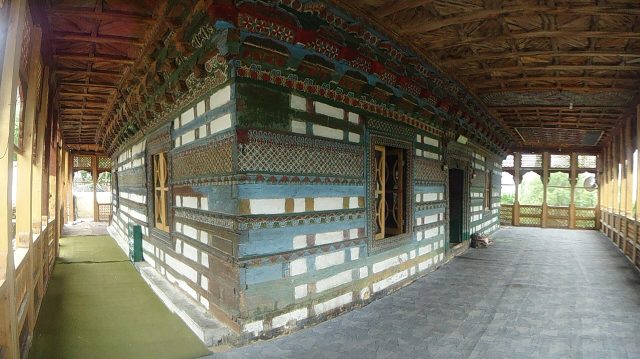
The architecture is simple but sturdy, designed for defense rather than grandeur. Thick walls with narrow slits for archers, cramped courtyards connected by winding passages, and watchtowers offering sweeping views of the valley—all reflect the practical needs of a fortress in a harsh landscape. Inside, the remains of living quarters, storage rooms, and even a small mosque hint at the daily life that once filled these spaces. The buildings were never ornate, but their rough stone walls have a quiet strength, absorbing the sun’s heat by day and releasing it slowly as the mountain nights grow cold. Even now, with parts of the fort in ruins, it’s easy to imagine the sounds of guards calling to one another, the creak of heavy gates, and the bustle of servants and merchants moving through the courtyards.
Skardu Fort was never just a peaceful stronghold. Over the centuries, it saw its share of battles, none more significant than those of the 19th century, when the region became a pawn in the Great Game—the struggle for influence between the British and Russian empires. The British sought to control these mountain passes, and Skardu became a key outpost in their campaign. Local rulers resisted fiercely, and the fort withstood sieges, but eventually, like the rest of Baltistan, it fell under colonial rule. After that, its military importance faded, though it remained a powerful symbol for the people who lived in its shadow.
Today, the fort is more than just a relic of the past. Climbing the steep path to its gates, you can’t help but slow your pace—the air feels heavier here, the silence deeper. Inside, time seems to stand still. Wandering through the empty courtyards, running your fingers along the weathered stones, it’s possible to picture the lives that unfolded within these walls centuries ago. From the highest point, the view is breathtaking: Skardu sprawls below, and the Indus River winds through the valley like a ribbon of silver. On clear days, the Karakoram stretches into the distance, its snow-capped peaks glinting even in summer.
For the people of Baltistan, Skardu Fort is more than a tourist attraction—it’s a living piece of their history. Locals speak of it with reverence, as a place where the memories and traditions of their ancestors are preserved. Stories of brave warriors defending its walls, of rulers making fateful decisions, and of ordinary families whose lives were tied to the fort are still passed down through generations. Some families still recount how their forefathers served in its garrison or sought shelter within its walls during raids.
Visiting the fort isn’t just about stepping into history—it’s about understanding the soul of Baltistan. This region has always been a crossroads of cultures, where Tibetan, Central Asian, and South Asian influences have blended over centuries. Skardu Fort is one of the few remaining testaments to that rich cultural tapestry. Its architecture bears traces of Tibetan design, while the legends surrounding it echo ancient beliefs and customs. Even now, as Skardu becomes more accessible to travelers, the fort remains a place where the past feels especially vivid.
Time has not been kind to Skardu Fort. Many of its structures are crumbling, and some courtyards are overgrown with grass and shrubs. Yet this very neglect gives it a unique charm. There are no crowds here, no guides reciting rehearsed stories—just the wind sweeping through the empty spaces and the stones, silent keepers of their secrets. If you’re lucky, you might meet a local who will share tales of the fort or simply sit beside you, gazing out at the valley.
Skardu and its fort are not for those seeking comfort or entertainment. This is a place for travelers who want to see the world as it is, unfiltered and real. There are no flashy signs or souvenir shops, just history etched into every stone and a landscape that invites reflection. Skardu Fort isn’t merely a landmark—it’s a window into the past, offering a glimpse of the lives, struggles, and dreams of people whose names have long been forgotten, but whose legacy endures.