
Saint Louis Island
Senegal · 7 places
Photo: Ji-Elle, Public domain
Saint-Louis
Saint-Louis moves to its own rhythm. It sits on a narrow strip of land between the Atlantic Ocean and the Senegal River. The city mixes the salt of the sea with the scent of spices carried on the wind. The horizon shifts with the tides, and the past stays visible in peeling colonial facades. Narrow streets hold stories that are never fully told. Once the first French stronghold in West Africa and a colonial capital, Saint-Louis still shows that history—African energy and European structure, side by side.
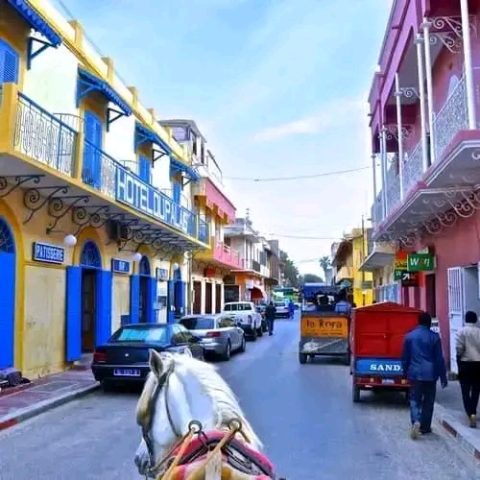
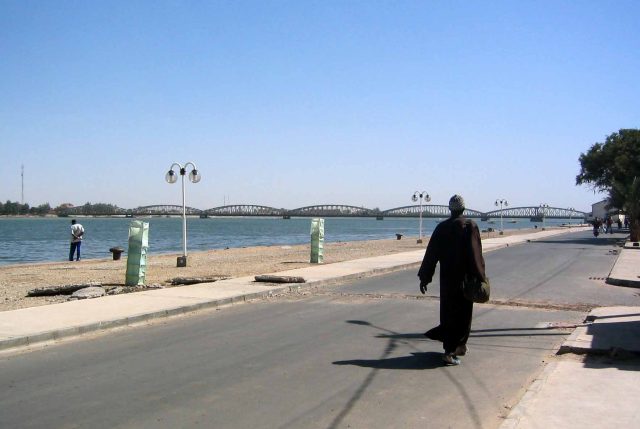
The best way to enter the city is across the Faidherbe Bridge. Built in the late 1800s, this iron bridge is more than infrastructure. Fishermen haul their catches here, fruit vendors sell their goods, and schoolchildren weave between cars. On the island side, streets narrow into a maze of low houses. Balconies have wooden latticework called *mashrabiya*. The buildings look like those in Marseille or Paris, but the details are Senegalese—peeling pastel walls, laundry hanging between buildings, goats wandering alleys. Place Faidherbe sits at the center. Once the heart of colonial rule, it’s now where old men drink tea, market women bargain, and the river sets the day’s pace.
Music defines the city. Saint-Louis created mbalax, a genre blending African rhythms, Cuban melodies, and French chanson. In the 1970s and 80s, it became Senegal’s musical center. Live music fills bars and clubs most nights. The Saint-Louis Jazz Festival brings artists from across Africa and beyond, turning streets into stages. But you don’t need the festival to hear the music. It’s in drum circles on street corners, radios playing from windows, fishermen chanting as they work, and late-night sets in dim venues where the bass shakes the floor.
The city spreads beyond its historic center. On the mainland, fishing villages line the shore. Boats rest on the sand under gulls’ watchful eyes. Women dry their catch in the sun. There are no souvenir stalls—just the life of a working port. The air smells of salt and fish. Children play in the shallows. Further out, savanna takes over. Clay-and-thatch homes dot the landscape. Goats and camels graze on sparse grass. When rains come, the river floods lowlands, turning parts of the city into islands. For weeks, boats are the only way to move around.
Saint-Louis doesn’t try to impress. There are no resorts or high-rise hotels. Quiet guesthouses hide in colonial mansions. Breakfast might be coffee with warm milk and a fresh croissant. The beaches are wild. Atlantic waves crash against the sand. Local kids play soccer between the tide lines. The city has its flaws—crumbling buildings, uneven sidewalks, power outages—but they’re part of it. It doesn’t move like Dakar or Ziguinchor. It follows its own time, shaped by the river and the ocean. That’s why it stays with you.
See & Do
7 places
Places on the map
Marker colour follows the categoryClimate and weather
Detailed weather: Saint Louis Island- Average temperature
- 26 °C
- Precipitation per year
- 342 mm
- Sunshine hours per day
- 8.4 h
Average air temperature
°C
24
24
24
25
24
26
28
29
29
30
27
25
Jan
Feb
Mar
Apr
May
Jun
Jul
Aug
Sep
Oct
Nov
Dec


