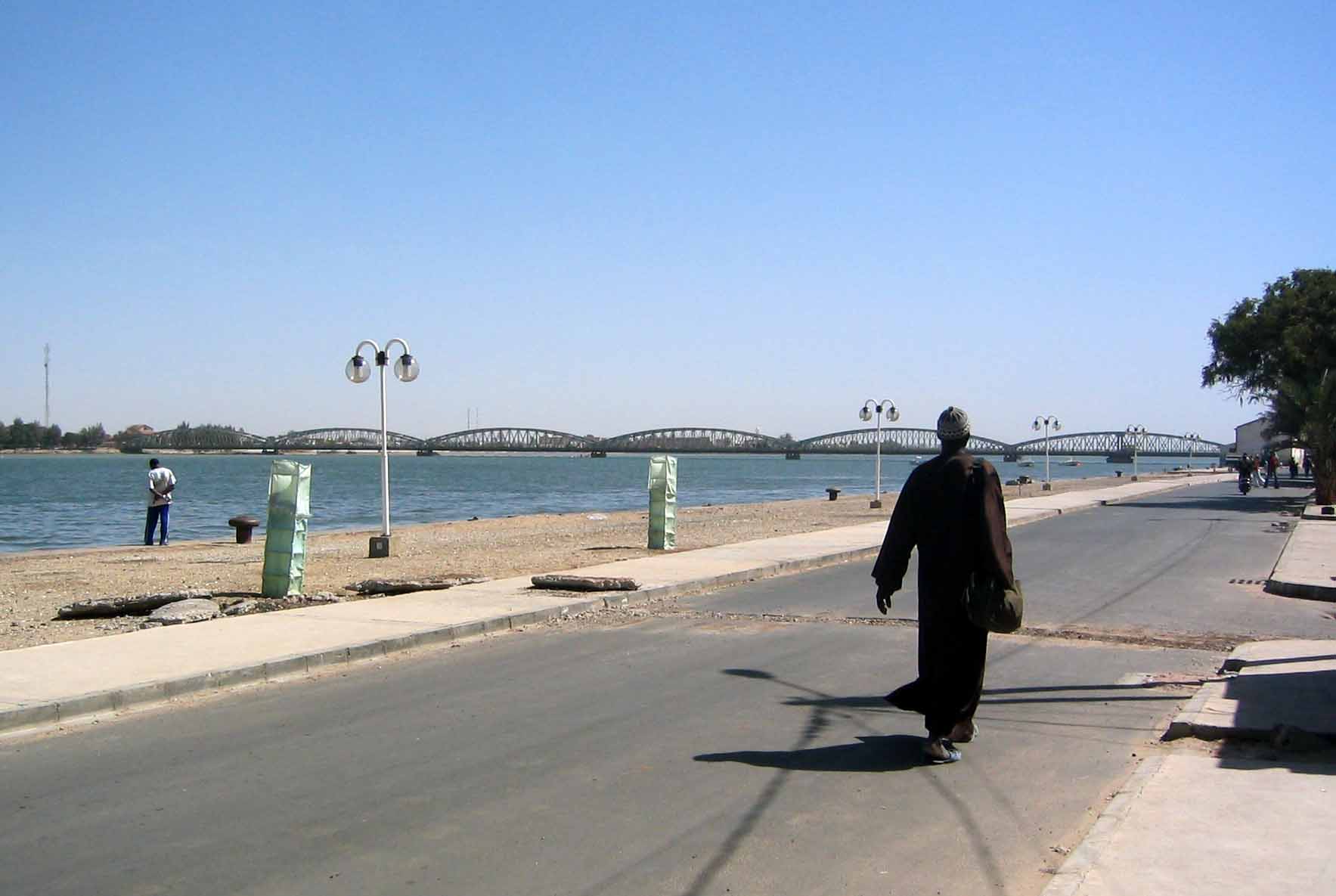
Saint-Louis Island has a way of revealing its charm slowly, through places that don’t demand attention but quietly leave their mark. The Faidherbe Bridge is one of those places. It isn’t grand like the bridges of Europe or sleek like modern spans in Asia, yet it carries a quiet significance that lingers long after you’ve crossed it. Stretching between the island and the mainland, it seems to hover just above the water, barely touching the banks. The best time to see it is at sunset, when the slow-moving Senegal River catches the light, and the bridge’s shadows stretch long across the sand like brushstrokes on a canvas.
The bridge is woven into the fabric of Saint-Louis, a city with a layered past. Built in the late 19th century, when the town was still the capital of French West Africa, it became a symbol of connection—between colonial ambitions and local life, between the island’s historic heart and the wider world beyond. Its design is unassuming: metal trusses, painted a faded light color, rest on sturdy stone piers. Bridges like this were once common across Africa, but few have endured as well as this one, even if its paint is peeling and its metal shows signs of age. It wasn’t built to impress, just to serve, and that simplicity is part of its appeal.
What makes the Faidherbe Bridge special isn’t just its history, but the way it fits into everyday life. It’s not a monument cordoned off for tourists; it’s a living part of the city. Pedestrians cross it daily, bicycles rattle over its planks, and the occasional car squeezes past. In the early morning, women balance baskets on their heads as they head to market, while in the afternoon, boys kick soccer balls along its edges. Old men sit on the railing, watching the river flow beneath them. The bridge doesn’t get polished for visitors—it’s used, weathered, and loved exactly as it is.
Architecturally, it doesn’t dazzle. There are no soaring arches or intricate details, just a straightforward structure that does its job. The metal is rusted in places, the paint chipped, but these imperfections don’t detract from its character—they add to it. During the rainy season, the river rises, lapping at the bridge’s lower beams, yet it stands firm, as it has for over a century. Locals say it has survived countless floods, and that resilience gives it an almost mythic quality. It’s not just a bridge; it’s a witness to time.
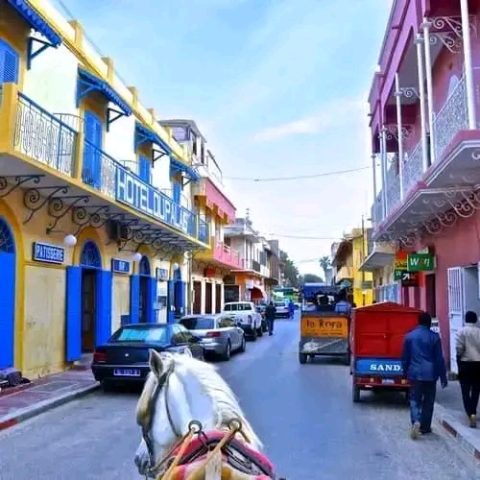
For visitors, the Faidherbe isn’t so much a destination as a passage—a way to move through Saint-Louis while taking in its rhythms. From here, you can see the old colonial houses lining the island’s narrow streets, their pastel facades fading in the sun. Walk across, and you’ll find yourself in the more modern districts on the mainland. But the real reason to come isn’t for the views or the photos; it’s for the atmosphere. There’s no rush here, no crowds, just the unhurried pace of life that defines this part of Senegal.
Before the bridge, crossing the river was a different story. People relied on boats or makeshift ferries, and during the rainy season, the currents made travel nearly impossible. When the Faidherbe was built, it was a game-changer for the city. Other bridges have since been constructed, but this one remains the oldest, and perhaps the most cherished. It’s not just infrastructure; it’s a piece of living history.
In recent years, small cafés and fruit stalls have sprung up near the bridge, adding a touch of warmth without turning it into a tourist trap. In the evenings, lanterns cast their glow onto the water, creating a play of light and shadow. If you’re lucky, you might hear musicians playing on the riverbank or catch the scent of grilled fish drifting from a nearby stall. It’s the kind of place where you can sit for hours, watching the river flow and the world go by.
The Faidherbe Bridge isn’t the kind of place you need a guide to appreciate, nor is it somewhere you’d pose for a photo. It exists quietly, without fanfare, yet it’s impossible to imagine Saint-Louis without it. There’s no grandeur here, just authenticity—a rare quality in a world that often prioritizes spectacle over substance. Maybe that’s why it stays with you. It doesn’t try to impress; it simply endures, a silent testament to the city it serves.