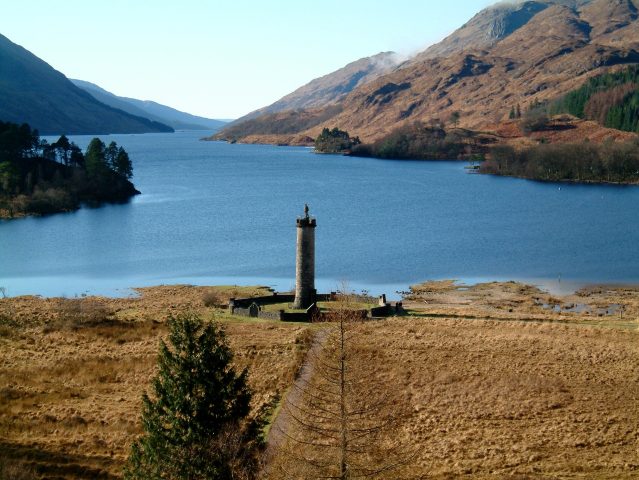
Lake Rabisha
Bulgaria · 6 places
Photo: XxxBBBxxx, Public domain
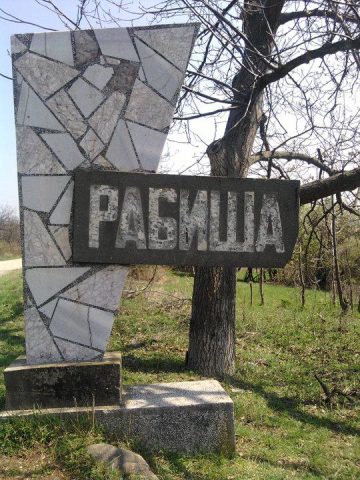
Rabisha is a quiet village tucked away in northwestern Bulgaria, where life moves at the unhurried pace of the seasons. Far from the well-trodden tourist paths, it sits among rolling hills blanketed with vineyards and oak groves, a place where the only sounds are the rustle of leaves and the occasional call of a bird. There are no crowded cafes or souvenir stalls here—just the kind of stillness that makes you slow down without even realizing it. The village is small, with only a handful of locals left, most of whom tend to their land, grow grapes, or make wine the way their families have for generations. It’s the sort of place that feels untouched by time, perfect for anyone looking to step away from the noise of modern life, even if just for a little while.
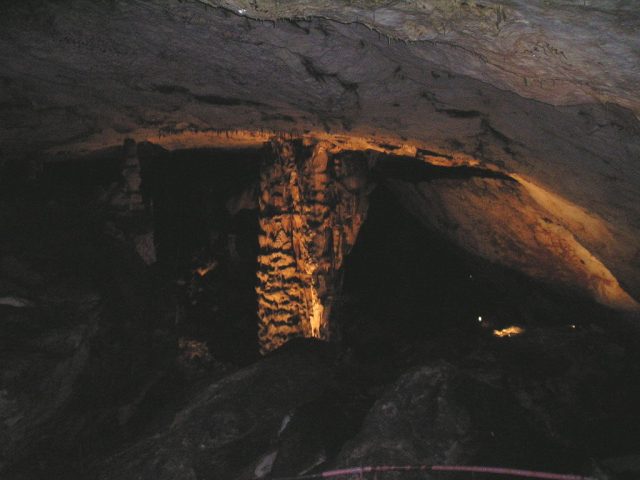
The real draw of this area is Magura Cave, one of Bulgaria’s most fascinating natural landmarks. A short drive from the village, the cave cuts deep into the limestone hills, its vast chambers filled with ancient rock paintings that have survived for thousands of years. The images—hunters, animals, and strange symbols—are faint but striking, their meaning still debated by historians. Guided tours take you through the dimly lit passages, where the air is cool and damp, and the weight of history feels almost tangible. Local stories say the cave was once a sacred site for the Thracians, and even now, there’s a sense of something mysterious lingering in its depths.
Not far from Rabisha lies another quiet wonder: Rabisha Lake. It’s small but impossibly scenic, framed by wooded hills and meadows that slope gently down to the water’s edge. The lake is shallow in places, with reeds and water plants swaying along the shore, and the water stays refreshingly cool even in summer. Locals come here to fish or simply sit by the water with a rod, while visitors often pack a picnic—preferably with a bottle of local wine or some homemade cheese. The surrounding forests are home to deer, foxes, and the occasional wild boar, so a walk along the trails can feel like a small adventure, especially in the early morning or at dusk.
The village itself is steeped in history, though it wears it quietly. An old church with faded but still-vivid frescoes stands near the center, its walls a testament to the generations that have passed through. Nearby, a few traditional stone houses with tiled roofs offer a glimpse into how life was lived here centuries ago. The locals, if you get to talking with them, will share stories of how the village has weathered wars, political upheavals, and economic hardships—stories that aren’t written in guidebooks but are very much alive in the memories of those who stayed. There are no grand museums or luxury hotels here, and that’s precisely what makes Rabisha special. It doesn’t try to impress; it simply exists, unchanged and unpretentious.
If you come here, don’t expect nightlife or organized entertainment. Rabisha is for those who want to unplug—whether that means wandering through the woods, listening to the silence, or just sitting on a bench watching the sunset. You can rent a bike to explore the countryside or spend an afternoon by the lake with a book. A few guesthouses in the village offer simple but comfortable stays, where the hosts will likely treat you to homemade meals and a glass of their own wine. It’s not a place that calls itself a hidden gem or a must-see destination. But for those who know how to appreciate the quiet beauty of a place that hasn’t been polished for tourists, Rabisha has a way of staying with you long after you’ve left.
See & Do
6 places
Places on the map
Marker colour follows the categoryClimate and weather
Detailed weather: Lake Rabisha- Average temperature
- 13 °C
- Precipitation per year
- 562 mm
- Sunshine hours per day
- 6.2 h
Average air temperature
°C
1
4
7
13
17
22
24
24
18
12
7
3
Jan
Feb
Mar
Apr
May
Jun
Jul
Aug
Sep
Oct
Nov
Dec