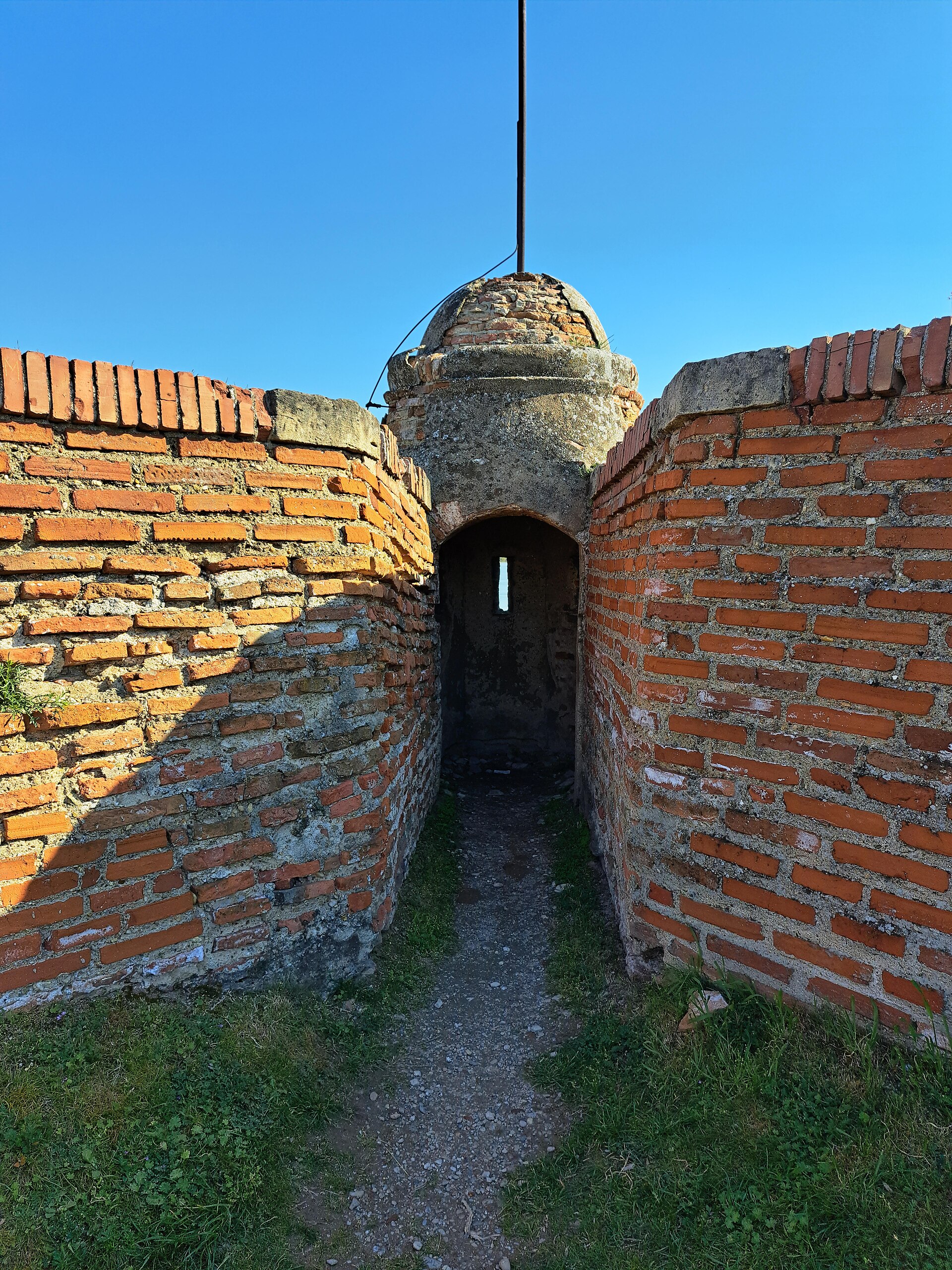
The fortress rises above the riverbank near Vidin, where the Danube bends slow and wide. Its walls, built of stone and brick, have stood since the Middle Ages—one of the few in Bulgaria to survive almost unchanged. Below, the water carries the weight of centuries: sieges, shifting borders, the footsteps of soldiers who once patrolled these ramparts.
Locals say the fortress is named after Vida, the eldest of three sisters who ruled this land. While her sisters built fortresses elsewhere, she stayed to oversee this one. The story may be legend, but the name endures, etched into the stones as if the past refuses to fade.
The first fortifications here were Roman, guarding the empire’s northern edge. What you see today, though, is medieval—shaped during the Second Bulgarian Empire when the fortress protected the kingdom’s northern frontier. It changed hands often: Bulgarian rulers, Hungarian kings, Ottoman pashas. Each left their mark, reinforcing walls, adding towers, turning Baba Vida into a prize worth fighting for.
The fortress forms an uneven quadrilateral, its thick walls anchored by sturdy towers at each corner. Inside, the ruins tell a quieter story: the remains of living quarters, storage rooms, a deep well. That well was the lifeline during sieges, when the fortress stood cut off from the world. The central keep, or donjon, looms above the rest, offering a view of the Danube and the plains beyond. From up there, the landscape looks much as it did centuries ago—open, endless, and deceptively peaceful.
Today, you can walk the ramparts, explore the courtyards, and listen to guides recount battles and daily life behind these walls. In summer, the fortress comes alive with medieval festivals: the ring of steel, the blare of trumpets, actors in period dress. For a few hours, the past feels almost within reach.
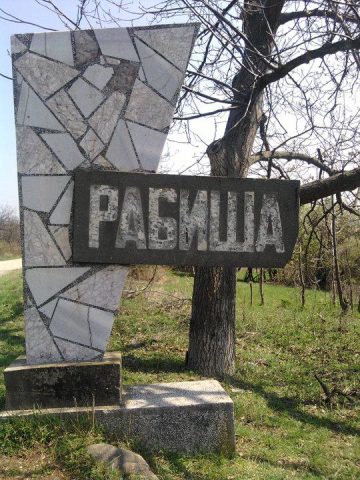
The Danube flows past, its banks lined with willows. Rabisha, the village nearby, moves at its own pace. The locals speak of Baba Vida as if it’s still theirs—not just a ruin, but a piece of living history.
What stays with you isn’t the age of the stones or the thickness of the walls. It’s the way the fortress connects you to the past. The centuries collapse here, and for a moment, you’re standing where soldiers once stood, watching the same river, feeling the same wind.
If you’re tracing Bulgaria’s medieval history, Baba Vida is essential. If you’re not, it’s still worth the journey—a place where the past lingers, stubborn and real.