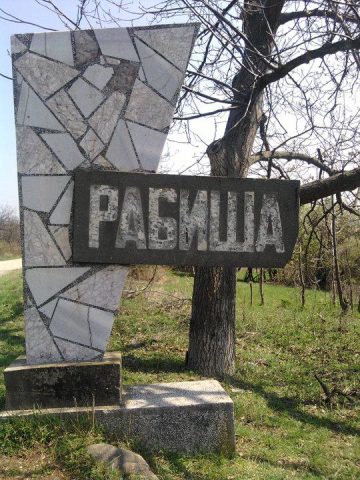
Deep in the limestone hills of northwestern Bulgaria, near the quiet village of Rabisha, lies Magura Cave—a place where time feels suspended, and the past lingers in the cool, damp air. Unlike the crowded tourist sites that dot the country, Magura remains largely untouched by modern noise. The only sounds here are the occasional drip of water and the faint echo of footsteps against ancient stone. This isn’t just a cave; it’s a natural archive, where layers of history have accumulated over millennia, shaped by both the earth and the people who once called it home.
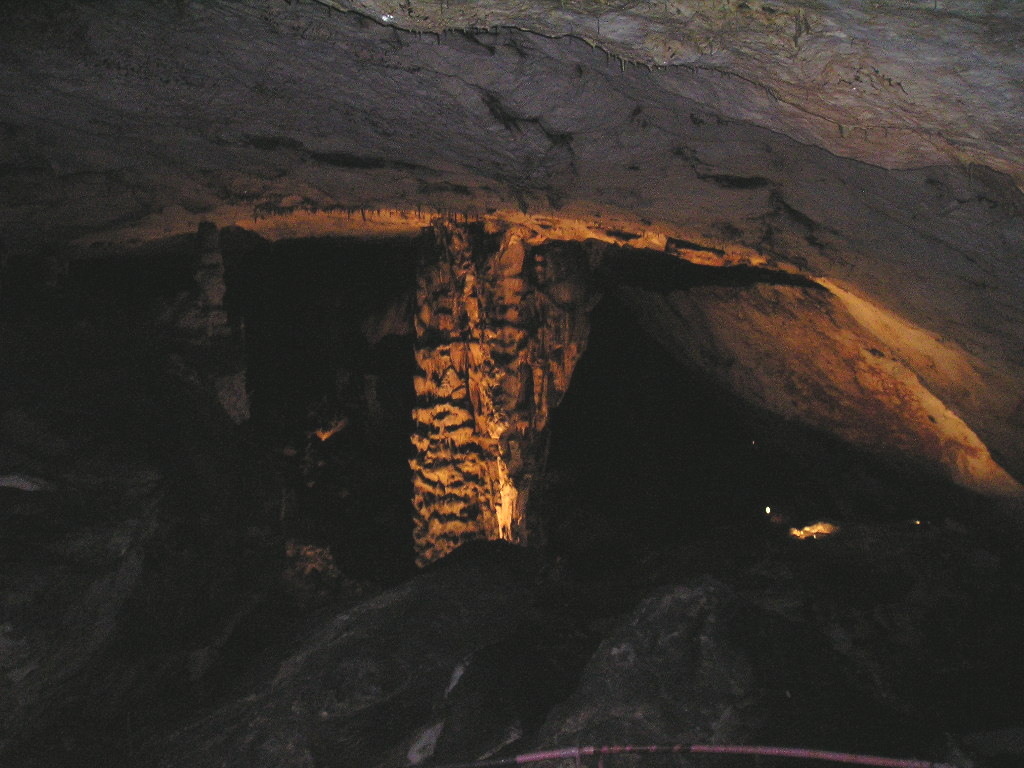
The entrance to Magura is unassuming, a narrow passage that opens into a vast chamber where the ceiling soars overhead. The walls are adorned with intricate formations—stalactites hanging like frozen chandeliers, stalagmites rising from the floor in towering columns. Some of these formations stretch several meters high, their shapes evoking figures from myth: a sleeping giant, a coiled serpent, or the ruins of some long-forgotten temple. The most striking space is the so-called Wedding Hall, where the rock formations resemble the pipes of a grand organ. When light filters through the cracks above, it casts shifting shadows across the walls, illuminating the ancient drawings that make this cave truly extraordinary.
What sets Magura apart are the prehistoric paintings that cover its walls. Created during the Neolithic and Bronze Ages, these images offer a rare glimpse into the lives of the people who once gathered here. The scenes depict hunting expeditions, ritual dances, and symbolic figures, all rendered in ochre and bat guano. Some researchers believe one of the drawings functions as a primitive calendar, marking the passage of time in a world without written records. Among the most intriguing images is a figure of a woman with raised arms—perhaps a deity, a priestess, or a participant in some long-forgotten ceremony. Though faded by time, these paintings remain visible under the right light, their presence a silent testament to the cave’s significance in ancient spiritual life.
For most of its existence, Magura was known only to locals and shepherds who used it as shelter from storms. It wasn’t until the late 19th century that scientists began studying the cave, and its true importance became clear in the mid-20th century with the discovery of the rock art. Today, the cave is accessible to visitors, with walkways and subtle lighting guiding the way. Yet despite these modern additions, Magura retains an air of mystery. There are no blinding floodlights or loudspeakers—just the soft glow of lamps and the quiet voice of a guide, as if speaking too loudly might disturb the spirits of the past.
Beyond its historical treasures, Magura is also home to underground lakes that collect in shallow depressions, their still surfaces mirroring the cave’s vaulted ceilings. In one of these pools lives a rare species of blind fish, a troglobite adapted to life in complete darkness. The presence of water adds another layer of intrigue to the cave, a reminder that even in the driest landscapes, life finds a way to persist. The lakes are small, but their reflective surfaces create an almost surreal atmosphere, as if the cave itself is breathing.
Magura isn’t just a destination for history buffs or archaeology enthusiasts. It’s a place for those seeking solitude, a break from the relentless pace of modern life. The air inside is cool and damp, carrying the scent of earth and stone, while the silence is so profound it feels like you can hear your own heartbeat. There are no crowds here, no souvenir stands—just the slow, steady rhythm of time, measured in the drip of water and the echo of footsteps. It’s a space where you can step away from the noise of the world and reflect on the things that usually go unnoticed.
Even now, Magura holds secrets. Researchers continue to explore its depths, uncovering new paintings and studying the unique ecosystems that thrive in its darkness. Each discovery adds another piece to the puzzle of the cave’s past, from the rituals of ancient humans to the adaptations of creatures that have never seen the sun. For biologists, Magura is a living laboratory, a place where evolution has taken a different path. For historians, it’s a window into a world that existed long before written records. And for visitors, it’s a rare opportunity to stand in a place where the past feels almost tangible.
Visiting Magura is like stepping into a time machine. The cave’s walls bear the marks of people who lived here thousands of years ago—hunters, shamans, families who sought shelter within its chambers. The paintings they left behind are more than just art; they’re a connection to a way of life that has otherwise vanished. Walking through Magura, you can’t help but wonder about the hands that traced those figures, the voices that once echoed through these halls, and the stories that were told here long before anyone thought to write them down.
In a world where so many places have been shaped by tourism, Magura remains refreshingly untouched. It doesn’t offer flashy attractions or Instagram-worthy backdrops—just the quiet majesty of nature and the weight of history. It’s a reminder that some of the most profound experiences aren’t found in grand monuments or bustling cities, but in the quiet corners of the earth, where time moves at its own pace and the past is never truly gone.