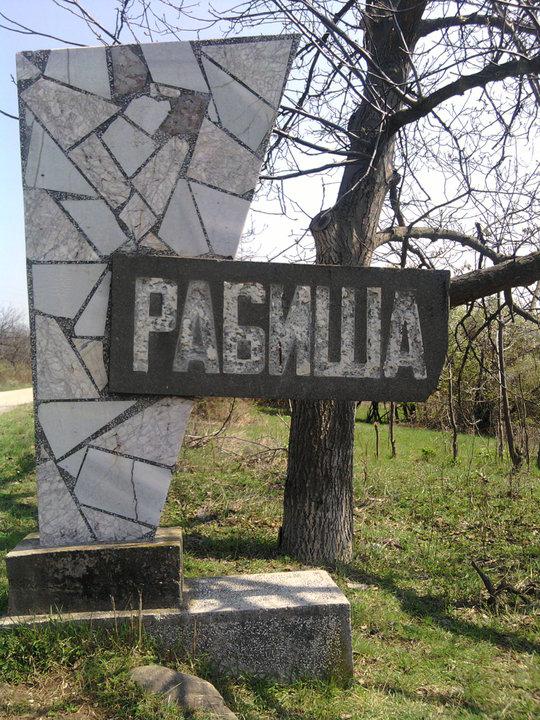
Lake Rabisha sits quietly in northwestern Bulgaria, far from the crowded beaches and well-trodden tourist paths. It’s the kind of place that feels untouched by time, where the only sounds are the rustle of leaves, the occasional call of a bird, and the gentle lap of water against the shore. The lake isn’t large—just about four kilometers long—but its depth gives it a sense of mystery, its cool, slightly greenish waters staying refreshingly crisp even in the heat of summer. The hills around it are low and rolling, covered in patches of forest and wild grass, creating a landscape that feels both open and intimate.
The locals call Rabisha the blue heart of their region, and it’s easy to see why. The lake pulses with life in its own quiet way. Fish dart beneath the surface, birds nest along the reeds, and if you’re lucky, you might spot a fox or a roe deer in the surrounding woods. Long ago, peat was harvested here, and faint traces of those old trenches still linger in the marshy edges, though nature has long since reclaimed them. Today, the lake is part of a protected area, though there are no strict rules for visitors—just an unspoken understanding that this place deserves care. It’s a balance that seems to work, with the lake remaining as serene as ever.
Rabisha’s history stretches back far beyond human memory. Archaeologists have found signs of Neolithic settlements in the area, and later, during Roman times, these lands were part of important trade routes. But the lake itself is much older, formed around 15 million years ago by tectonic shifts that created a depression, which slowly filled with water. That makes Rabisha one of the oldest lakes in Europe, a fact that fascinates scientists but matters little to most visitors. What draws people here isn’t its age or its geological significance, but the way it feels—timeless, untouched, and deeply peaceful.
The shores of Rabisha aren’t lined with sunbeds or beach bars like those at seaside resorts. Instead, they’re wild and uneven, with small clearings where locals and the occasional traveler set up picnic spots or simple benches under the trees. There are no official swimming areas, but the water is clean and clear, and no one minds if you wade in from a quiet stretch of shore. The best time to visit is early morning, when mist still clings to the surface and the sun hasn’t yet burned off the coolness of the night. Sitting by the water then, it’s easy to forget the rest of the world exists.
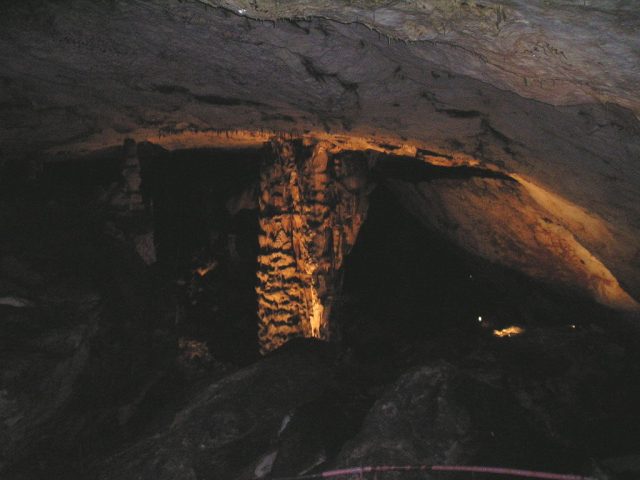
Just a short distance from the lake lies Magura Cave, one of Bulgaria’s most famous underground sites. Its walls are covered in ancient rock paintings—images of people, animals, and strange symbols that have baffled researchers for decades. The cave and the lake feel like two sides of the same story: one holding the secrets of the distant past, the other a living, breathing part of the present. Together, they offer a glimpse into a world that has changed little over thousands of years.
For those who enjoy walking, the area around Rabisha is full of gentle trails. You can climb one of the low hills for a view of the entire lake, its surface shimmering under the sun, or wander into the woods where hidden springs and abandoned villages lie half-forgotten. The terrain is hilly but not rugged, making for easy, unhurried walks. Autumn is especially beautiful here, when the forests turn gold and red, and the air carries the crisp scent of fallen leaves. Even in winter, when the lake freezes over in patches, the landscape has a stark, quiet beauty.
Rabisha isn’t a place for those seeking excitement or entertainment. There are no nightclubs, no souvenir shops, no tour buses lining up at the entrance. It’s a place for slowing down—for sitting by the water, listening to the wind, and watching the light change over the hills. Some visitors come for just a day, while others stay longer, renting a room in one of the nearby villages. The locals are friendly but unobtrusive, happy to share stories about the lake if you ask, but just as content to let you enjoy it in peace.
In recent years, Rabisha has started to attract travelers interested in eco-tourism. There are no luxury hotels here, but you can find small guesthouses offering simple, comfortable rooms and home-cooked meals. Some people bring tents and camp by the shore, though the weather can be unpredictable, with cool nights even in summer. Those who do stay overnight are rewarded with mornings wrapped in mist, sunsets that paint the water in shades of pink and gold, and a night sky so clear it feels like you could reach out and touch the stars.
What makes Rabisha special isn’t any single feature, but the way it all comes together—the stillness of the water, the quiet of the hills, the sense that this place has been here forever and will remain long after you’ve left. It doesn’t demand attention or try to impress; it simply exists, offering a rare kind of peace. Maybe that’s why people who visit once often find themselves returning, drawn back by the feeling of stepping outside of time, if only for a little while.