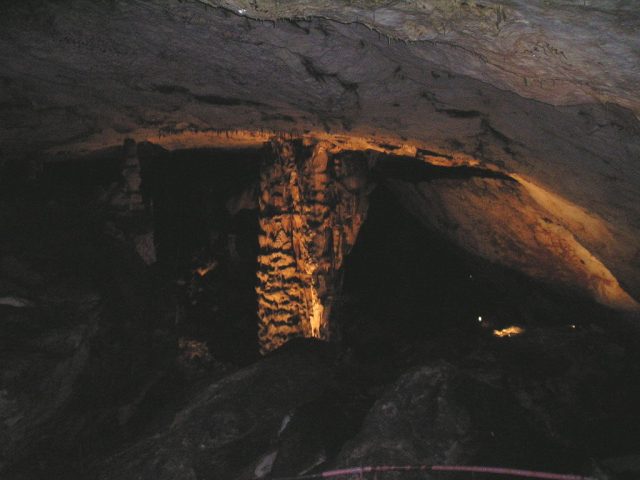
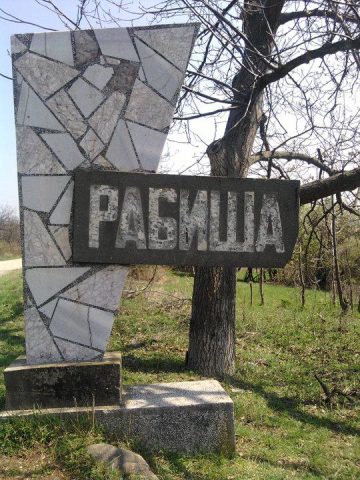
The small village of Rabisha sits quietly in northwestern Bulgaria, not far from the border with Serbia. It’s a place where time moves slowly, where the landscape is shaped by rolling hills and dense forests, and where the most famous landmark isn’t a grand monument but a cave. Magura Cave, just outside the village, is one of Bulgaria’s most remarkable natural wonders, known for its towering stalactites, underground lakes, and prehistoric rock art. But while the cave draws visitors underground, the Archaeological Museum in Rabisha offers a different kind of journey—one through the layers of human history that have unfolded in this corner of the Balkans.
The museum itself is unassuming, tucked away in the village with little fanfare. There are no flashy displays or high-tech exhibits here, just a collection of artifacts that tell the story of the people who have lived in this region over thousands of years. The space is small, almost intimate, and the absence of crowds makes it feel like a private conversation with the past. Each object, whether a chipped stone tool or a delicate piece of pottery, carries the weight of its own history, and the museum’s quiet atmosphere invites you to linger, to examine, to wonder.
The exhibits are arranged chronologically, beginning with the earliest traces of human presence in the area. The first room is dedicated to prehistory, where simple but striking artifacts lay bare the lives of Paleolithic and Neolithic communities. Stone axes, bone needles, and fragments of pottery with rudimentary geometric patterns speak of a time when survival depended on skill and ingenuity. These were people who hunted, gathered, and eventually settled, leaving behind the first marks of their existence in the caves and valleys around Rabisha. The museum doesn’t just display these objects—it places them in context, showing how early humans adapted to the landscape, how they built shelters, and how they buried their dead.
The next section shifts to antiquity, where the focus turns to the Thracians, the enigmatic people who dominated the Balkans long before the Romans arrived. Here, the museum showcases bronze fibulae, intricately decorated clay vessels, and coins that once circulated in local trade. Weapons, too, are on display—daggers and spearheads that hint at the conflicts and alliances that shaped Thracian society. The Thracians left no written records, so much of what we know about them comes from artifacts like these, pieced together by archaeologists over centuries. The museum does a careful job of presenting these objects not as mere relics but as fragments of a culture that was once vibrant and complex.
The heart of the museum, though, is its connection to Magura Cave. The cave’s most famous feature is its rock art—drawings that date back tens of thousands of years, some of the oldest in Europe. The originals are deep within the cave, protected from the elements and the wear of time, but the museum displays high-quality reproductions. The images are striking: scenes of hunting, figures in motion that might be dancers, and abstract symbols whose meanings have been lost to time. Scholars still debate what these drawings represent—were they part of rituals, early attempts at storytelling, or simply the work of individuals expressing themselves in the only way they knew? The museum doesn’t claim to have the answers, but it presents the questions, inviting visitors to form their own interpretations.
Beyond the cave and the ancient past, the museum also dedicates space to the more recent history of Rabisha itself. A section on the Ottoman period shows how the village evolved under centuries of foreign rule, with documents, photographs, and everyday objects that illustrate the rhythms of rural life. There are wooden plows, handwoven textiles, and clay pots that were once essential to households in the region. The exhibits on the 19th and 20th centuries trace the changes brought by modernization—how traditional ways of life gave way to new technologies, how the village adapted, and how its identity shifted over time. It’s a reminder that history isn’t just about grand events or famous figures; it’s also about the quiet, incremental changes that shape communities.
What makes the Archaeological Museum in Rabisha special isn’t its size or the rarity of its exhibits, but the way it grounds history in a specific place. This isn’t a museum about abstract civilizations or distant empires—it’s about the land beneath your feet, the people who walked these hills, and the stories they left behind. The staff, often locals with a deep knowledge of the area, are more than just guides; they’re storytellers who can point out the small details that bring the past to life. A conversation with them might reveal how a particular tool was used, or why a certain burial custom was practiced, or what the symbols in the cave drawings might have meant to the people who created them.
Visiting the museum pairs naturally with a trip to Magura Cave. The two experiences complement each other—the cave plunges you into the earth’s depths, while the museum unravels the human stories that unfolded above and below ground. Afterward, the village itself offers a chance to slow down. The surrounding countryside is ideal for walking, with trails that wind through forests and over hills, offering views of the landscape that has remained largely unchanged for centuries. Many visitors stop at one of the local cafés, where the food is simple but hearty—banitsa, the flaky pastry filled with cheese, or kebapcheta, grilled minced meat seasoned with local spices. The yogurt, too, is worth trying; Bulgaria’s reputation for producing some of the best in the world isn’t exaggerated.
Rabisha isn’t a place that demands attention. It doesn’t have the grandeur of Sofia or the coastal charm of Burgas, and it’s not on the usual tourist trail. But that’s part of its appeal. Here, history isn’t packaged for mass consumption; it’s preserved in its raw, unpolished form. The Archaeological Museum is a testament to that—small, unpretentious, and deeply rooted in the land it represents. It doesn’t offer easy answers or dramatic revelations, but it does something just as valuable: it connects you to the past in a way that feels personal, almost intimate. In a world where so much is designed to be consumed quickly, Rabisha invites you to pause, to look closely, and to listen to the stories that have been waiting here for thousands of years.