Nestled in the quiet northwest of Bulgaria, where rolling hills soften into the foothills of the Balkan Mountains, Magura Cave offers a rare glimpse into a world untouched by the noise of modern tourism. The landscape here feels suspended in time, with only the rustle of leaves and the distant murmur of visitors breaking the stillness. Unlike the crowded resorts along the Black Sea coast, this place carries a different kind of allure—one rooted in mystery and the weight of ancient human presence.
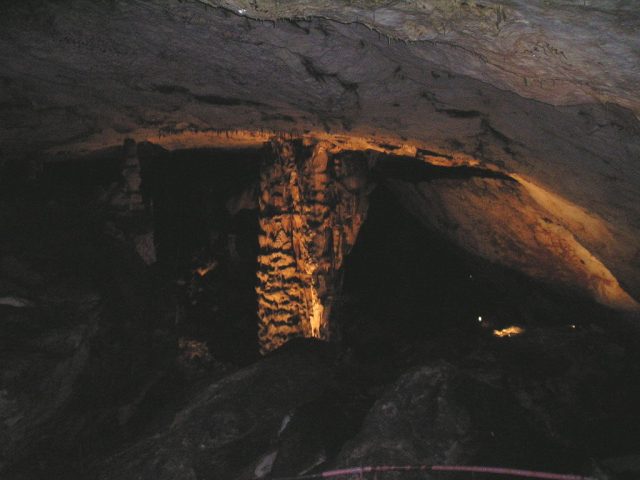
The entrance to Magura is unassuming, little more than a narrow fissure in the rock, yet it opens into a vast underground labyrinth. While the cave stretches for kilometers, only a small section is accessible to the public, a carefully maintained path of about three hundred meters. Inside, the air is cool and damp, thick with the scent of earth and stone. The beam of a flashlight reveals a surreal landscape of stalactites and stalagmites, some so intricately shaped they seem almost alive. Local folklore has long attributed magical properties to these formations, though science offers a more prosaic explanation—millennia of water and mineral deposits at work.
The true wonder of Magura lies in its prehistoric rock paintings, some of the oldest in Europe. Created with red ochre, the images have endured for thousands of years, their vibrant hues still visible against the cave walls. The scenes depict human figures, animals, hunting expeditions, and even what scholars believe to be a primitive calendar. Dating back to the Neolithic and Bronze Ages, these paintings—estimated to be between six and eight thousand years old—offer a rare window into the lives of the people who once inhabited this region. Their beliefs, daily routines, and perhaps even their fears are etched into the stone, a silent testament to a long-forgotten world.
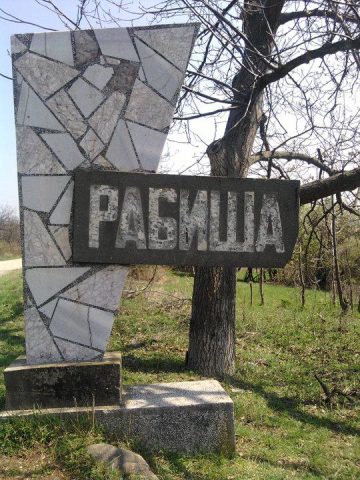
Magura wasn’t always a place of interest to outsiders. For generations, it remained a local secret, known only to those who lived in the nearby village of Rabisha. It wasn’t until the late 19th century that the cave was first documented, and serious archaeological work didn’t begin until the mid-20th century. That’s when researchers realized the significance of the paintings, sparking efforts to preserve them. Today, the cave is equipped with lighting and walkways, designed to protect the fragile artwork while allowing visitors to experience its magic. Even with these modern conveniences, stepping into Magura feels like an adventure—descending into the earth, navigating dimly lit chambers, and adjusting to the hush of the underground.
Beyond the cave, the surrounding area is worth exploring. Just a short distance away lies Lake Rabisha, Bulgaria’s largest inland body of water. The lake is a quiet retreat, framed by gentle hills and dense forests, where fishermen cast their lines in the summer and the occasional hiker pauses to take in the view. The nearby village of Rabisha retains a traditional charm, with its stone houses and tiled roofs, while the surrounding fields still yield grapes and grain, much as they have for centuries. There’s a sense of timelessness here, a rhythm of life that moves at its own unhurried pace.
What makes Magura special isn’t grand spectacle or modern entertainment, but the way it quietly bridges past and present. There are no flashy attractions, no crowds jostling for the best view—just the chance to stand in the same space where humans once gathered thousands of years ago. The cave doesn’t demand attention; it invites contemplation. It’s a place where you can’t help but wonder about the people who once stood in the same dim light, their hands brushing the same cool stone, leaving behind only these faint, enduring marks of their existence.
Visiting Magura doesn’t require any special preparation, though sturdy shoes and a light jacket are wise choices—the cave stays cool year-round. Guided tours are available, offering insights into the history of the paintings and the cave’s formation, but even without a guide, the experience is striking. Standing before those ancient images, it’s impossible not to feel a connection to the people who created them, to the countless generations who have passed through these chambers, and to the vast expanse of time that separates us from them.
Magura isn’t one of Bulgaria’s most famous landmarks, and that’s part of its appeal. There are no long lines or tourist traps, just the quiet solitude of a place that has witnessed millennia of human history. For those who seek more than just sun and sand, the cave offers something far more profound—a chance to step outside the rush of modern life and into a world where the past feels almost tangible. It’s a reminder that Bulgaria’s story isn’t just written in its beaches and ski resorts, but in the ancient landscapes and forgotten corners where history still lingers.