Piazza Armerina
Italy · 8 places
Photo: José Luiz, CC BY-SA 4.0
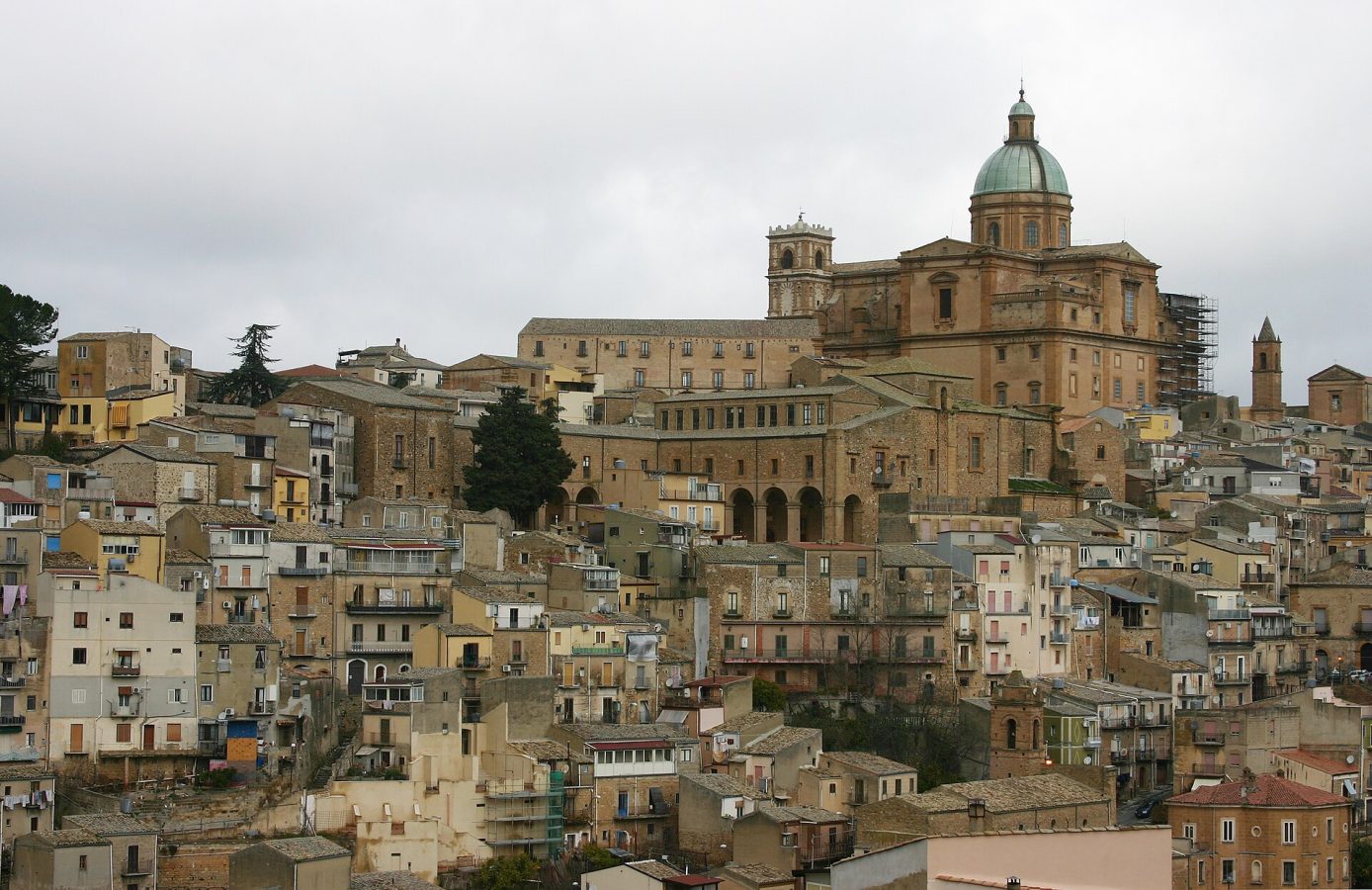
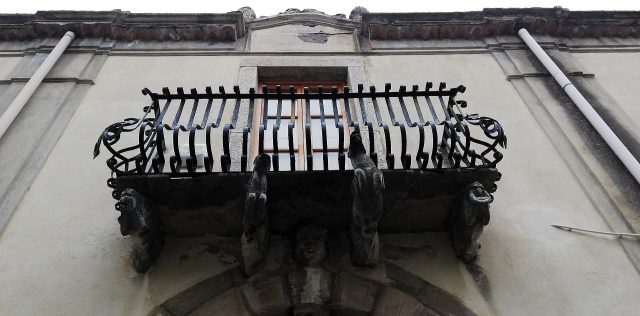
Piazza Armerina sits quietly in the heart of Sicily, a town where time seems to have paused just long enough to let the past linger. The streets wind uphill in gentle curves, their cobblestones worn smooth by centuries of footsteps, passing beneath balconies heavy with wrought-iron scrollwork and pastel facades that have faded but never lost their charm. From the higher vantage points, the landscape unfolds in layers of green—olive groves stretching toward the horizon, vineyards clinging to terraced slopes, and clusters of whitewashed houses tucked into the folds of the hills. In summer, the air carries the scent of citrus blossoms and wood-fired bread; in winter, the town settles into a hush broken only by the occasional chime of a church bell.
The real draw lies just outside the town, where the Villa Romana del Casale stands as one of the most extraordinary relics of the ancient world. Built in the 4th century, its floors are covered in mosaics so vivid and intricate they feel almost alive—hunters chasing prey, mythological figures frozen mid-gesture, scenes of Roman life rendered with such detail that you half-expect them to shift underfoot. The villa was lost for centuries beneath layers of earth, only to be rediscovered and now protected as a UNESCO site. Reaching it is part of the experience, whether by a short bus ride or a walk through the countryside, where wildflowers edge the path and the occasional farmer waves from a distant field.
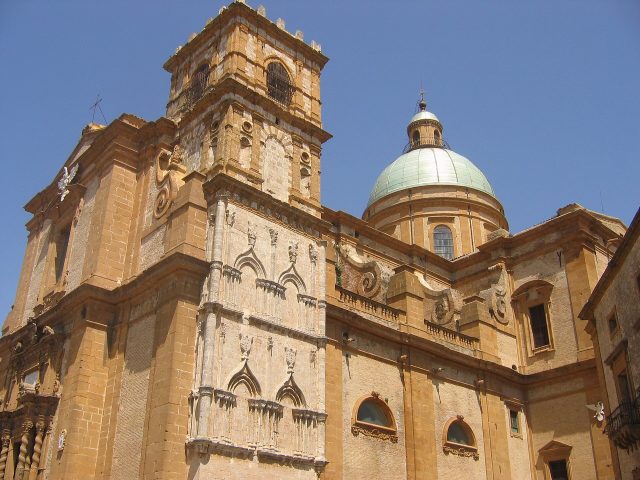
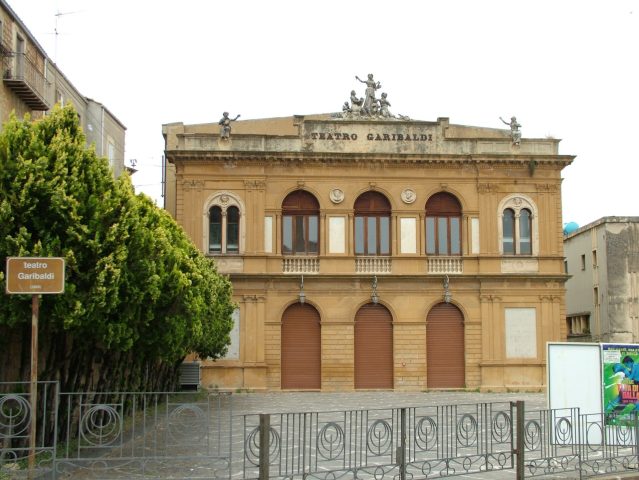
The town itself is a patchwork of influences, its history written in stone and stucco. Founded in the Middle Ages, it changed hands countless times—Normans, Arabs, and Spaniards all left their mark. The cathedral, a 17th-century structure built atop an older church, dominates the skyline with its baroque flourishes, while inside, faded frescoes and icons hint at the layers of devotion beneath its vaulted ceilings. The main square, Piazza Garibaldi, is where life gathers in the evenings, locals lingering over espresso or a glass of Nero d’Avola, their conversations blending with the clink of cups and the occasional burst of laughter.
There’s no rush here, no sense of being hurried along by the next attraction. Even in high season, Piazza Armerina retains its unhurried rhythm. The trattorias serve dishes that taste like they’ve been perfected over generations—pasta alla norma with its rich tomato and eggplant sauce, sardines rolled in breadcrumbs and herbs, seafood so fresh it barely needs seasoning. And then there are the cannoli, their shells so crisp they shatter at the first bite, revealing the sweet, creamy ricotta within. If you’re lucky, you might arrive during one of the town’s festivals, when the streets fill with music, the scent of roasting chestnuts, and the warmth of shared celebration.
What makes Piazza Armerina special isn’t just its history, but the way that history feels lived-in. The past isn’t cordoned off behind ropes or explained in plaques; it’s woven into the fabric of daily life. Visitors aren’t just observers here—they’re temporary participants in a place where the pace slows, where meals stretch into long afternoons, and where the light at dusk turns the hills to gold. It’s the kind of town that lingers in your memory long after you’ve left, not for any grand spectacle, but for the quiet sense of having stepped into a world that still moves to its own, unhurried beat.
See & Do
7 places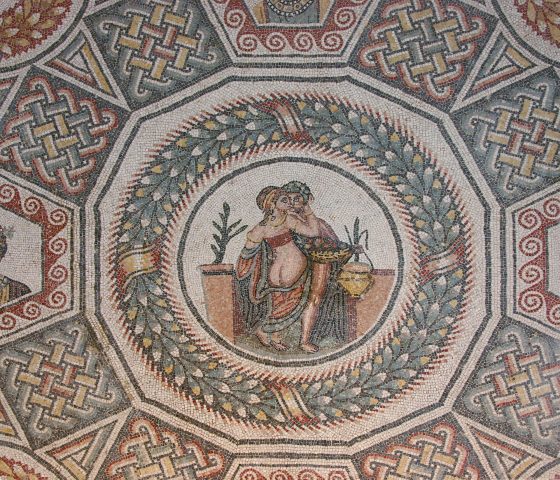
Places on the map
Marker colour follows the categoryClimate and weather
Detailed weather: Piazza Armerina- Average temperature
- 15 °C
- Precipitation per year
- 503 mm
Average air temperature
°C
6
7
8
11
16
22
26
24
20
16
11
8
Jan
Feb
Mar
Apr
May
Jun
Jul
Aug
Sep
Oct
Nov
Dec


