Piazza Duomo in Piazza Armerina isn’t just the town’s central square—it’s where the layers of Sicilian life unfold in quiet, unassuming ways. Tucked into the heart of this hilltop town, the piazza feels like a living room for the community, a place where locals linger over espresso at sidewalk cafés while visitors wander past centuries-old facades. There’s no rush here, no crowds jostling for space, just the easy rhythm of a town that moves at its own pace. The square has seen generations come and go, its stones worn smooth by time, yet it retains a sense of authenticity that’s harder to find in Sicily’s more tourist-heavy cities.
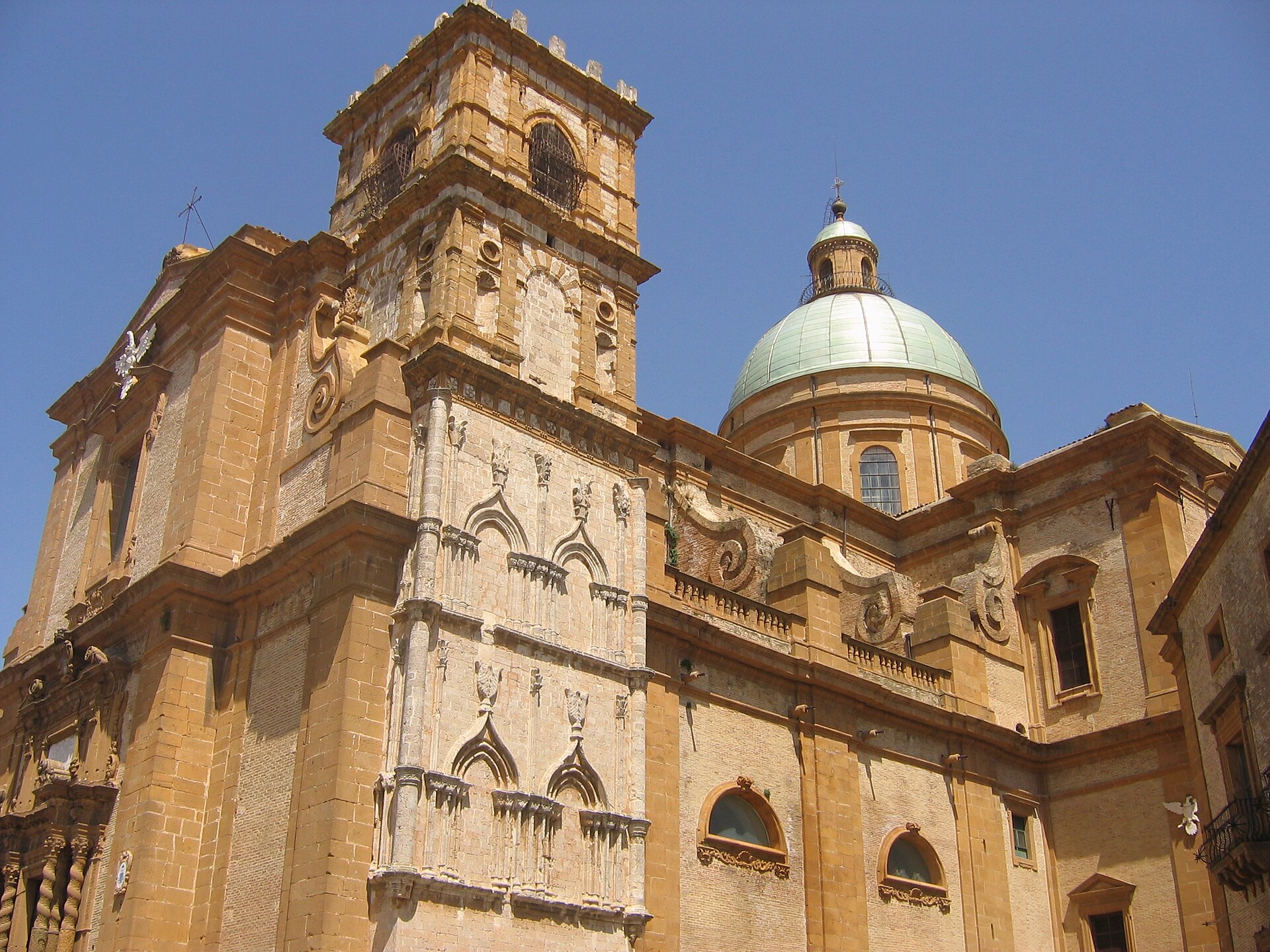
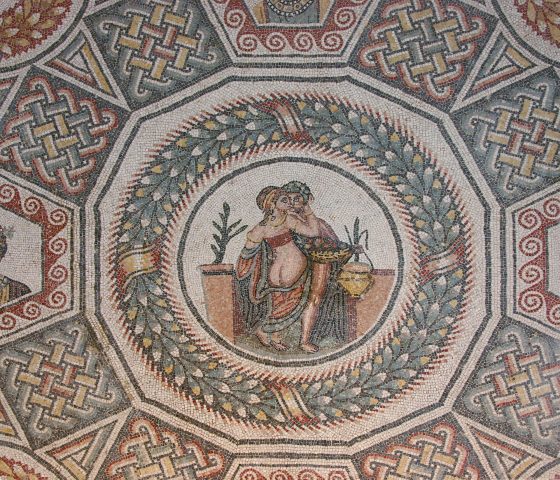
Dominating the piazza is the cathedral of Santa Maria Maggiore, its sturdy bell tower rising above the rooftops like a silent sentinel. The church is a patchwork of architectural styles, built and rebuilt over the centuries, with Norman foundations and Baroque flourishes that tell the story of Sicily’s shifting rulers. The facade, carved from local stone, glows golden in the afternoon light, its rough texture softened by time. Inside, the cool, dim interior offers a respite from the Sicilian sun, with faded frescoes and intricate mosaics hinting at the island’s deep religious roots. But even without stepping inside, the cathedral’s presence shapes the square, its bulk anchoring the space in history.
Beside the cathedral stands the former bishop’s palace, now home to a small museum of religious art. The building itself is a fine example of 17th-century Sicilian architecture, with arched loggias and a quiet courtyard where visitors can sit and catch their breath. The museum’s collection includes everything from delicate icons to centuries-old manuscripts, though the real draw is the palace’s atmosphere—its thick walls and high ceilings a reminder of the power once wielded within these rooms. The courtyard, in particular, feels like a secret corner of the town, a place where the past lingers in the dappled shade of citrus trees.
The piazza hasn’t always been the dignified civic space it is today. In medieval times, this was the town’s bustling marketplace, where farmers traded grain, olive oil, and wine under the watchful eyes of merchants and artisans. Over the centuries, as Piazza Armerina grew in importance, the square evolved into a center of religious and political life. The market stalls disappeared, replaced by grander buildings, but traces of that earlier era remain in the layout of the streets and the way the square still hums with activity. Even now, it’s easy to imagine the clatter of hooves on cobblestones and the shouts of vendors haggling over prices.
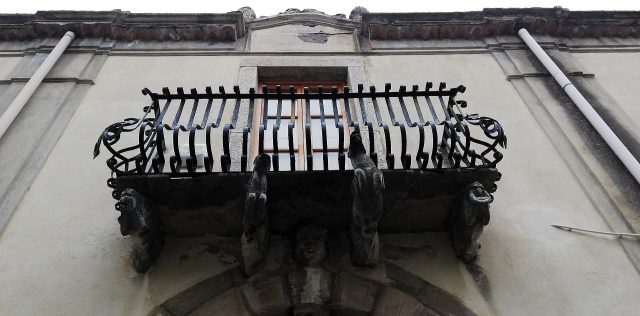
One of the most striking buildings on the piazza is Palazzo Tricarico, an 18th-century mansion with a facade adorned with Baroque details. The balconies, supported by ornate stone brackets, jut out over the square, offering a glimpse into the lives of the noble families who once lived here. Today, the palace houses municipal offices, but its grandeur remains, a quiet testament to the wealth and influence of Piazza Armerina’s elite. Walking past, it’s not hard to picture the lavish balls and political intrigues that once played out behind its shuttered windows.
The character of the piazza shifts with the seasons. In summer, it becomes a stage for evening gatherings, with locals and visitors alike spilling out of cafés to enjoy the warm nights. Small festivals and open-air concerts occasionally bring music to the square, while food stalls serve up Sicilian classics like pasta alla norma and cannoli dusted with powdered sugar. Winter, though quieter, has its own charm, especially when a rare snowfall transforms the piazza into a scene from a postcard. The cathedral’s facade takes on a softer hue, and the square’s usual bustle gives way to a hushed stillness.
For travelers, Piazza Duomo is the natural starting point for exploring Piazza Armerina. From here, the town’s labyrinthine streets wind upward, revealing hidden churches, sunlit courtyards, and workshops where artisans still practice traditional crafts. Unlike Palermo or Catania, where tourists often outnumber locals, Piazza Armerina offers a slower, more intimate experience. There’s no need to rush—just time to wander, to pause in a doorway and watch the light change on the cathedral’s stones, or to sit at a café and listen to the murmur of Sicilian dialect around you.
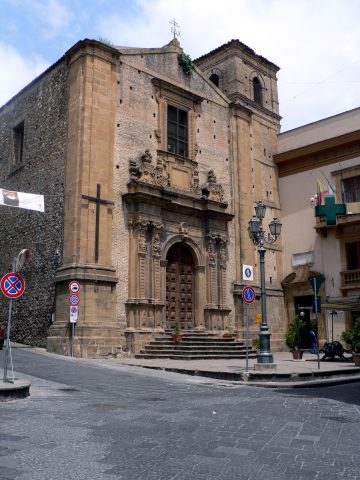
What makes the piazza special isn’t just its architecture, but the way it holds the past and present together. The worn steps of the cathedral, the chipped paint on a shuttered window, the faint inscriptions on a palace wall—each detail tells a story. There’s nothing polished or performative about it; this is a place that has grown organically, shaped by the people who have lived and worked here for centuries. For those who seek out such places, Piazza Duomo offers something rare: a sense of connection, not just to a town, but to the quiet, enduring spirit of Sicily itself.