Nestled among the rolling hills of central Sicily, where vineyards stretch under the Mediterranean sun, lies one of the most extraordinary remnants of Rome’s imperial past. The Villa Romana del Casale, just outside the quiet town of Piazza Armerina, is more than an archaeological site—it’s a rare window into the daily life of the Roman elite in the 4th century. Unlike the crowded ruins of Pompeii or the grand monuments of Rome itself, this place feels almost forgotten, as if time has paused just long enough for visitors to step into a world preserved beneath their feet.
The villa’s origins are still debated, a puzzle that adds to its mystique. Some scholars suggest it was the country retreat of Emperor Maxentius, while others believe it belonged to a wealthy senator or a high-ranking official. Whoever commissioned it clearly had both wealth and ambition. The scale of the complex—sprawling across nearly four hectares—hints at a residence designed not just for living, but for impressing. The layout follows the Roman ideal of luxury, with every space carefully arranged for comfort and display. A grand peristyle courtyard, surrounded by columns, serves as the heart of the villa, leading to reception halls, private chambers, and even a small basilica where official business may have been conducted.
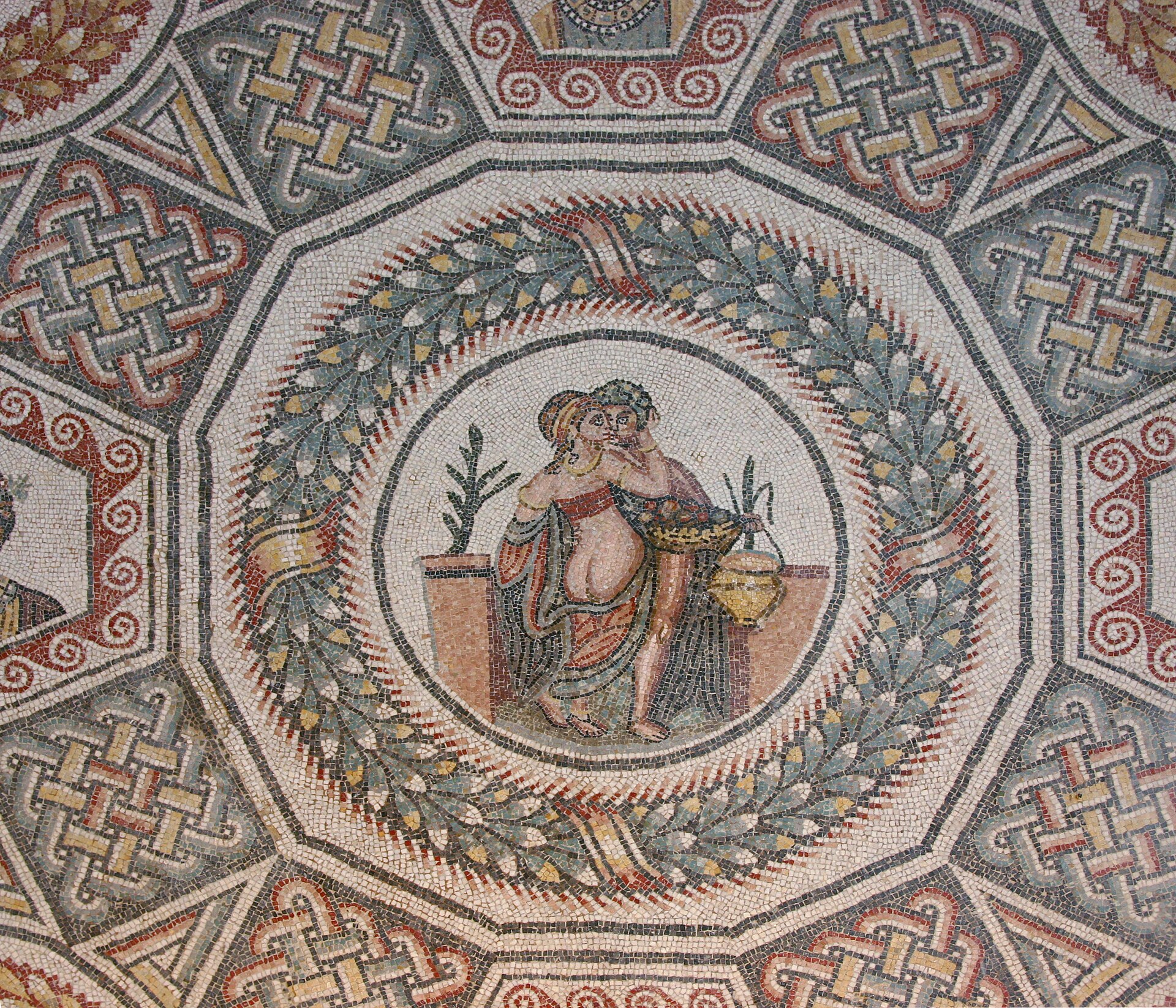
What truly sets the villa apart, however, are its mosaics. Covering over 3,500 square meters, they form the largest and best-preserved collection of Roman floor mosaics in the world. Each scene is a story frozen in time, offering glimpses into the culture, beliefs, and daily routines of the era. The Hall of the Great Hunt is particularly striking—a vast, dynamic composition depicting the capture of wild animals destined for the arenas of Rome. Hunters, servants, and beasts move across the floor in intricate detail, their expressions and gestures so vivid that the scene feels almost alive. Elsewhere, mythological tales unfold: Hercules in his labors, scenes from Homer’s epics, and gods and mortals intertwined in drama.
One of the most famous mosaics, however, is far more playful. In a small room, a group of young women engage in athletic activities—running, throwing a discus, playing ball—dressed in what look remarkably like modern bikinis. The image is so unexpected that it’s easy to forget these figures were crafted over sixteen centuries ago. Such depictions of women in sport are rare in Roman art, making this mosaic all the more intriguing. It raises questions about the roles and freedoms of women in late antiquity, a topic historians still debate.
The villa’s rediscovery in the late 19th century was almost accidental, and it wasn’t until the mid-20th century that large-scale excavations revealed its true significance. Buried under layers of earth and debris for centuries, the mosaics survived in astonishing condition, their colors still vibrant. Today, a modern protective canopy shields the ruins from the elements while allowing visitors to walk above the ancient floors on raised wooden pathways. The experience is immersive—there’s no glass barrier, no rope keeping you at a distance. You can stand inches away from a hunting scene or a mythological tableau, tracing the lines of a lion’s mane or the folds of a tunic with your eyes.
What makes the Villa Romana del Casale so compelling is its intimacy. Unlike the grand public monuments of Rome, this was a private space, a home. The absence of crowds only deepens the sense of connection to the past. As you wander through the rooms, it’s easy to imagine the sounds that once filled them—the murmur of conversations in the banquet hall, the splash of water in the baths, the footsteps of servants hurrying across the mosaic floors. The villa feels lived-in, not like a relic but like a place where people once laughed, schemed, and dreamed.
The site’s remote location adds to its charm. Piazza Armerina is a small, unassuming town, far from the well-trodden tourist paths. The journey there winds through the Sicilian countryside, past olive groves and almond trees, making the villa’s sudden appearance all the more striking. There’s no grand entrance, no ticket booth bustling with crowds—just a quiet path leading to a place where history feels tangible. The silence is broken only by the wind rustling through the grass or the occasional call of a bird, as if the land itself is holding its breath.
Visiting the villa is less about admiring a monument and more about experiencing a moment of quiet revelation. The mosaics don’t just depict scenes from the past; they preserve the tastes, values, and even the humor of a long-gone society. The figures in the Great Hunt aren’t just decorative—they tell of Rome’s obsession with spectacle, its global reach, its hunger for exotic beasts. The bikini-clad athletes hint at a world where women, at least in some circles, enjoyed freedoms we might not expect. And the sheer artistry of the work speaks to a culture that valued beauty in everyday life.
What remains of the villa today are mostly foundations and floors, but these fragments are enough to conjure the grandeur that once was. The walls are gone, the frescoes faded, but the mosaics endure, their stories as vivid as the day they were laid. It’s a place that doesn’t demand attention but rewards those who seek it out—a quiet corner of history where the past feels closer than ever. Perhaps that’s why it lingers in the memory long after you’ve left: not as a ruin, but as a living echo of a world that once was.