San Rocco Church doesn’t demand attention but stays with you. It sits on a quiet square in the old town, surrounded by low, weathered houses where life moves slowly. Unlike the grand cathedrals in travel guides, this church doesn’t announce itself. It simply exists—a place where the past feels close, not as a spectacle, but as part of everyday life.
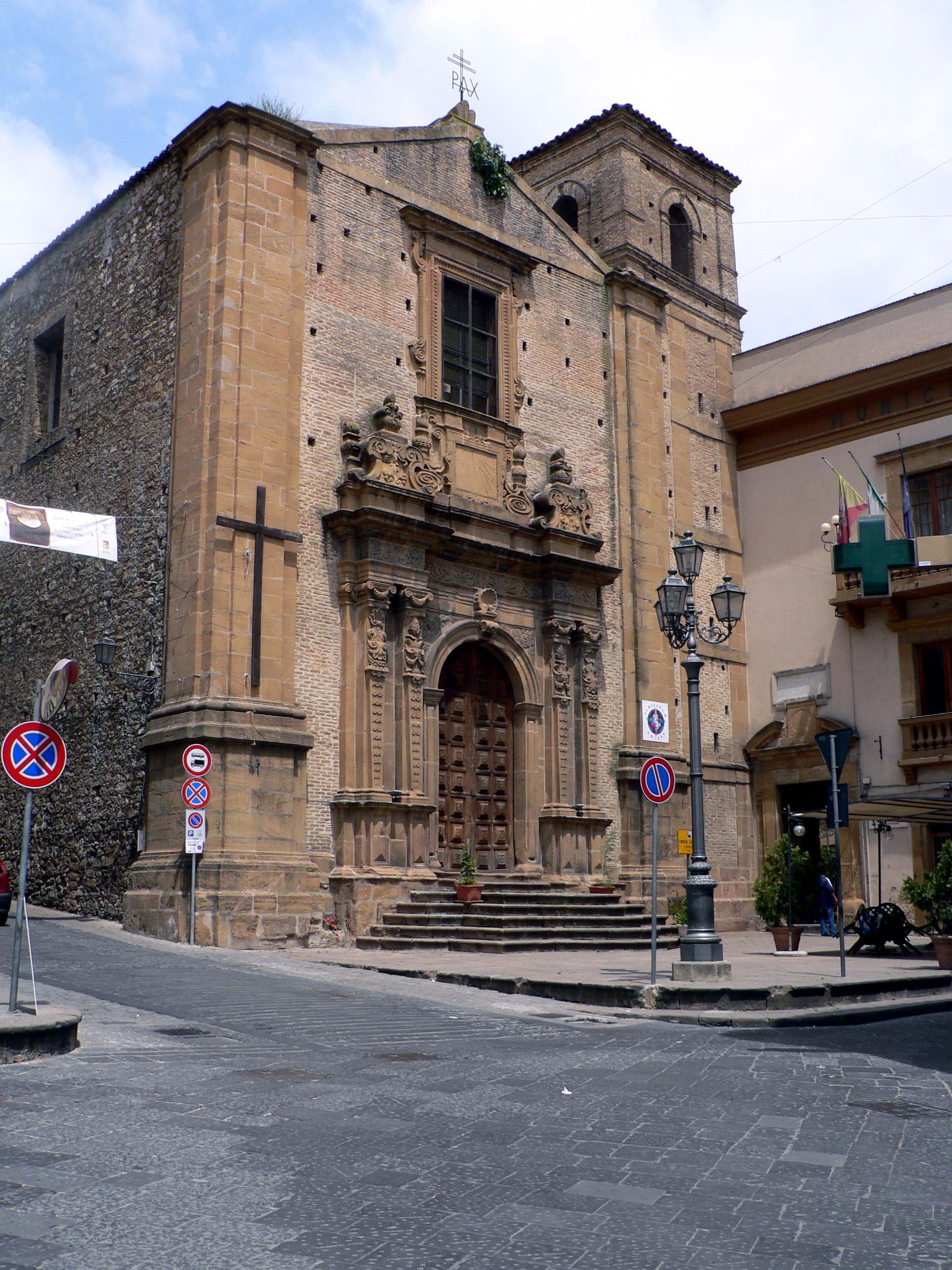
The church was built in the late 16th century and dedicated to Saint Roch, the patron saint of the sick and travelers. During that time, Europe suffered frequent plague outbreaks, and devotion to Saint Roch grew as people sought protection. Churches like this one were built across Sicily as symbols of hope. San Rocco became a local refuge, a place where faith and fear met. The architecture is late Renaissance: a simple facade, a modestly decorated portal, and a bell tower just tall enough to rise above the rooftops.
The inside doesn’t overwhelm. The nave is narrow but tall, its ceiling covered in frescoes showing scenes from Saint Roch’s life. The paintings depict his travels, his healing of the sick, and the moment he fell ill with the plague and was cast out of a city. The colors are soft, the expressions quiet. The wooden statue of the saint behind the altar is unassuming, yet it carries a warmth—proof of how deeply he mattered to those who prayed here.
In one corner, a small chapel holds a relic of Saint Roch. In medieval times, such relics were priceless, and pilgrims from across Sicily traveled here to pay their respects. Today, the chapel is simple: a few candles, an icon, and an altar worn smooth by centuries of touch. The stone steps are chipped, their edges rounded by time. You can almost feel the hands that have passed over them, the whispered prayers left behind.
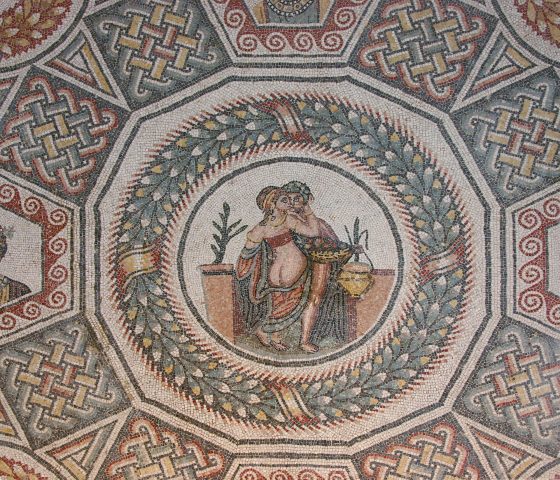
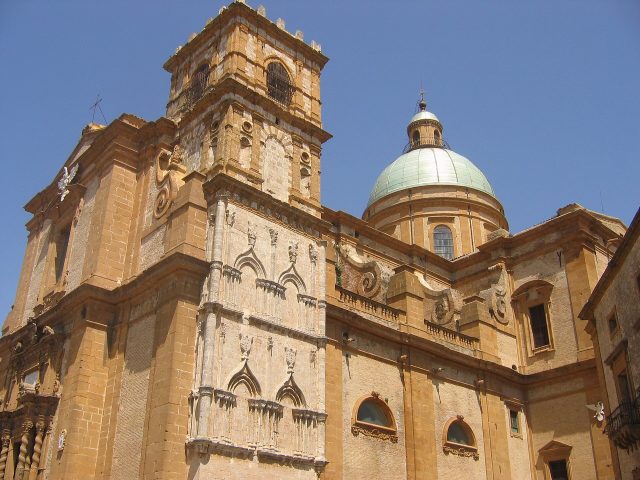
Piazza Armerina is famous for the Villa Romana del Casale and its mosaics. San Rocco Church often goes unnoticed. But here, you see Sicily as it is—not the postcard version, but the everyday one. History isn’t staged; it’s woven into life. The church doesn’t need grand gestures. It speaks in the coolness of its stone, the flicker of candlelight, the way the air moves through the half-open doors.
Time moves differently inside San Rocco.
In summer, when the Sicilian sun is relentless, the church stays cool. In winter, when rain drums on the tiles, it becomes a shelter. Locals don’t just come for services. They stop by to light a candle, wait out a storm, or sit in silence. Some still seek the same comfort others have for centuries—a connection beyond daily life.
The church has played a role in the town’s history. In the 17th century, it became the center of a lay brotherhood dedicated to charity. Members gathered here before setting out to care for the poor and sick. This tradition lasted for generations. Even now, you might see elderly women in the pews, not just praying but talking, sharing stories, keeping the past alive.
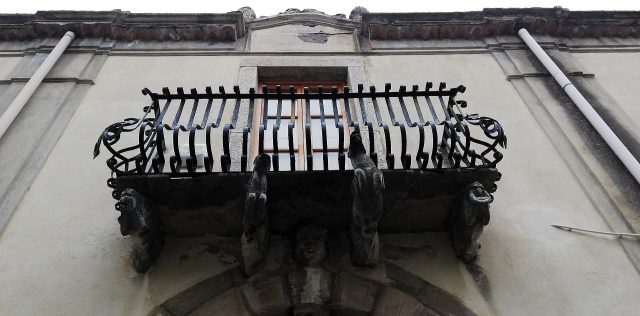
From the outside, San Rocco doesn’t stand out. Its facade is plain, its details understated. But walk around to the back, and you’ll find a small courtyard with a stone bench under an olive tree. From here, you can look over the old streets, where houses press close and balconies overflow with geraniums. The courtyard feels like a secret—a place where time slows, where you can imagine parishioners lingering after mass.
You wouldn’t cross the world to see this church unless you love religious history or art. But if you’re in Piazza Armerina, step inside for a few minutes. There’s no performance here, nothing designed to impress. Just stillness, light, and the faint echo of those who built it, prayed here, and left part of themselves in its walls. That’s enough.