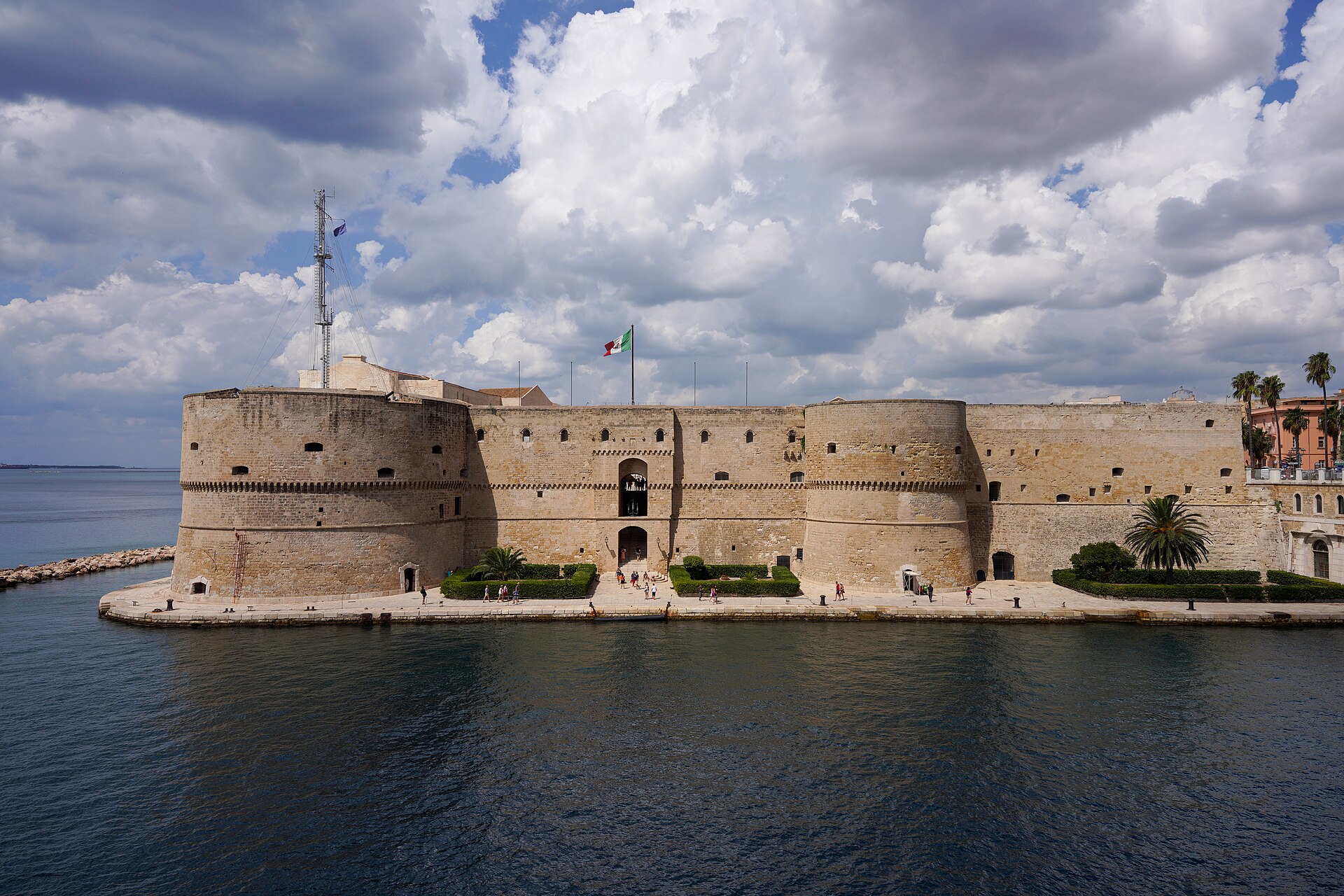
Perched on a hill overlooking Piazza Armerina, the Castello Aragonese stands as a quiet witness to Sicily’s layered past. Its weathered stone walls and crumbling towers rise above the town like a fading echo of the island’s turbulent history, when fortresses were not just military strongholds but symbols of power and control. Though no longer the impenetrable bastion it once was, the castle still carries the weight of centuries in its silent stones.
The origins of the Castello Aragonese are shrouded in the kind of ambiguity that often surrounds medieval structures. While its name suggests ties to the Aragonese dynasty that ruled Sicily in the late Middle Ages, historians debate whether the castle was built entirely during their reign or if it stands on the foundations of an earlier fortification. Some believe a Norman or even Arab stronghold may have preceded it, a theory that wouldn’t be surprising given Sicily’s history as a crossroads of civilizations. The first written records mentioning the castle appear in the 13th century, but the exact date of its construction remains uncertain, lost to time like so many details of its early years.
Architecturally, the castle follows the classic design of Sicilian fortresses from that era. Thick, high walls form a rough rectangle, reinforced at each corner by sturdy square towers. The entrance was once protected by a drawbridge spanning a defensive moat, though both have long since disappeared. Inside, the courtyard would have been a hive of activity—stables, living quarters, and storage rooms arranged around a central space where soldiers, servants, and nobles went about their daily routines. Over time, as the need for military fortifications waned, the castle evolved into a feudal residence before eventually falling into disrepair. What remains today is a skeletal version of its former self, yet even in its ruined state, the structure commands attention.
Walking through the castle’s interior is like stepping into a half-remembered dream. The absence of preserved furnishings or restored rooms might disappoint some visitors, but there’s a strange beauty in the emptiness. The bare walls and open spaces invite imagination—here, a fireplace in one of the towers still hints at the warmth that once filled the halls; there, narrow arrow slits in the stone offer glimpses of the landscape beyond, just as they did for sentries centuries ago. The uneven floors and crumbling masonry tell their own story, one of neglect and resilience, of a place that has outlasted the people who built it.
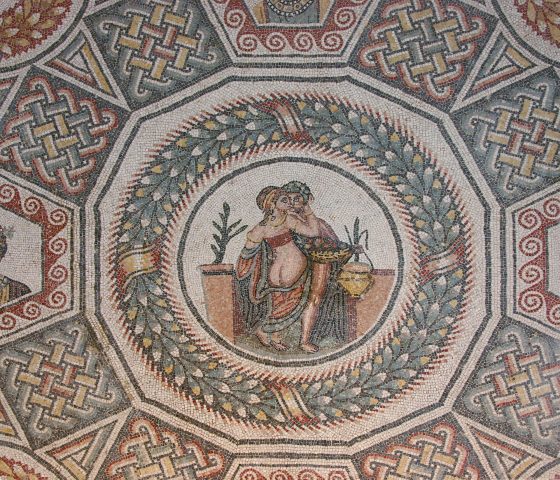
Piazza Armerina itself is often overshadowed by the fame of the nearby Villa Romana del Casale, with its breathtaking Roman mosaics. Yet the Castello Aragonese holds its own as a piece of the town’s heritage. In the Middle Ages, Piazza Armerina was a strategic outpost, and the castle served as both a defensive stronghold and an administrative center. Its location on a hill made it a natural vantage point, offering control over the surrounding countryside. Today, it stands as a reminder of the town’s medieval significance, a counterpoint to the ancient Roman splendor just a short distance away.
Unlike many tourist sites, the Castello Aragonese doesn’t offer guided tours, informational plaques, or carefully curated exhibits. There’s no need for them—the castle speaks for itself. On a clear day, the view from the towers stretches across rolling hills dotted with vineyards and olive groves, a landscape that has changed little since the Middle Ages. The quiet is almost palpable, broken only by the occasional rustle of wind through the grass or the distant sound of a car on the road below. It’s a place where time feels suspended, where the past isn’t just remembered but still lingers in the air.
The castle’s current state—partially restored in places, left to decay in others—gives it a raw authenticity that more polished historical sites often lack. There are no crowds here, no souvenir stands or ticket booths. Visitors can wander at their own pace, climbing the worn steps of the towers or sitting in the courtyard, letting the silence settle around them. It’s the kind of place that rewards those who take the time to look closely, to notice the way the light falls on the stone or the way the shadows stretch across the ground in the late afternoon.
Sicily is home to countless castles, each with its own story to tell. But the Castello Aragonese in Piazza Armerina feels different. It doesn’t demand attention or dazzle with grandeur. Instead, it exists quietly, a relic of a time when life was lived within these walls, when the clatter of armor and the murmur of voices filled the air. There’s no attempt to romanticize its past or dress it up for modern visitors. It simply is—a monument to the people who built it, defended it, and eventually left it behind. And perhaps that’s what makes it so compelling. In a world where so much is polished and perfected, the castle’s rough edges and unfinished history feel like a rare and honest connection to the past.