Nestled among the gentle hills of central Sicily, where vineyards stretch under the Mediterranean sun, lies one of the most extraordinary remnants of the Roman world. The Villa Romana del Casale is not a ruin in the usual sense—no crumbling columns or scattered stones hinting at lost grandeur. Instead, it feels as though time itself paused here, preserving beneath layers of earth and ash a lavish countryside estate built between the late third and early fourth centuries. Discovered only in the mid-20th century, the villa astonishes not for its size, but for the meticulous care with which its mosaics have survived. These intricate works of art, crafted from stone and glass, still gleam under the light, inviting visitors to lose themselves in the stories they tell.
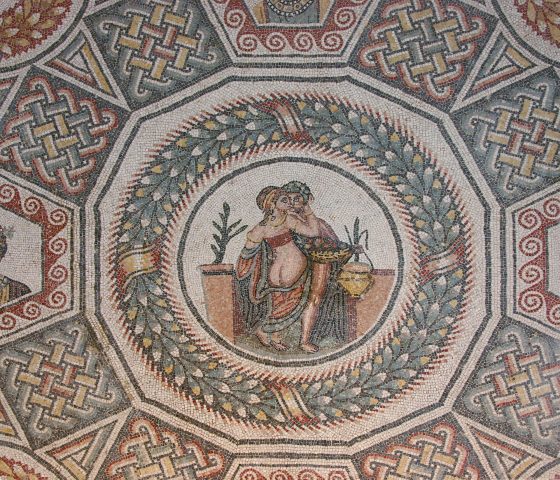
The villa’s architecture follows the classic design of late Roman rural estates, yet here it reaches a level of refinement rarely seen elsewhere. The complex includes living quarters, baths, inner courtyards, and even service areas for servants and slaves. The main building spans roughly three and a half thousand square meters, but its true treasure lies beneath the feet of those who walk its halls. Nearly every room is adorned with floor mosaics, executed with such precision that they appear freshly laid. Among the most famous is the so-called "Room of the Girls in Bikinis," where young women engage in athletic activities in what look like modern swimsuits. Scholars still debate whether these figures represent athletes, dancers, or participants in ancient rituals, but the scene remains one of the most iconic mosaics in the world.
The mosaics of Villa Romana del Casale are more than mere decoration—they are a vivid chronicle of life in the late Roman Empire. Hunting scenes depict the pursuit of wild beasts, mythological tales unfold in vibrant detail, and everyday activities offer glimpses into the routines of the villa’s inhabitants. One of the most striking features is a long gallery illustrating an exotic hunt, where lions, leopards, and ostriches fall under the spears of hunters. These scenes reveal not only the skill of the artisans but also the extravagant pastimes of Rome’s elite, who staged elaborate hunts that sometimes culminated in public spectacles. Many of the animals depicted were already rare in Italy by this period, imported from distant provinces like Africa and the Near East.
The story of the villa’s discovery reads like a mystery. For centuries, locals knew of its existence only through fragments of marble and colored stones unearthed in their fields. Early excavations in the 19th century were superficial and failed to capture attention. It wasn’t until the 1950s, when systematic archaeological work began, that the true significance of the site became clear. Over the following decades, new rooms and mosaics emerged from the earth, each revealing another layer of the villa’s past. Today, it stands as one of the best-preserved examples of Roman rural architecture, with its mosaics considered masterpieces of the era.
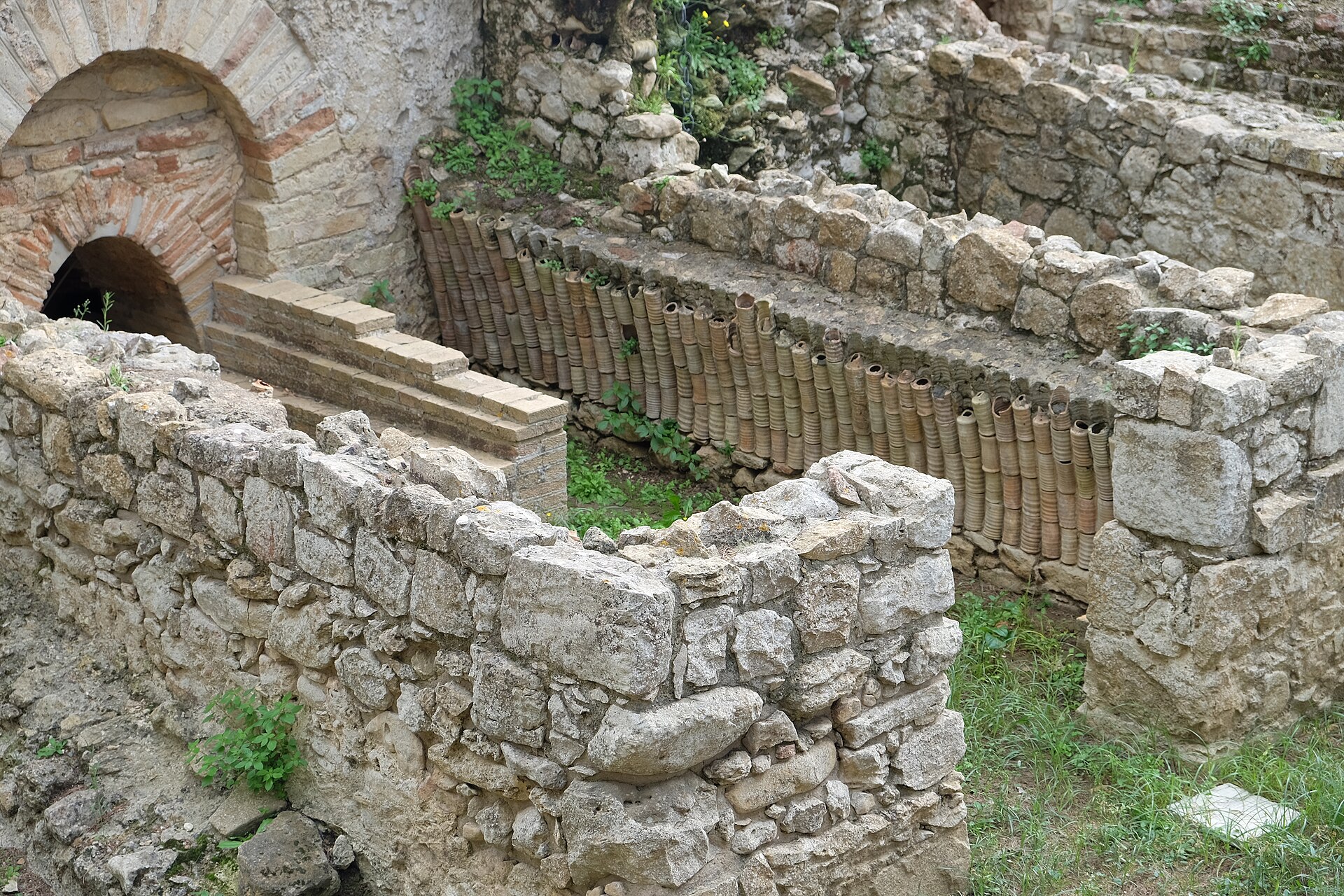
Visiting the Villa Romana del Casale is less a tour than a journey into the past. A modern protective pavilion shields the mosaics from the elements, allowing visitors to examine them in remarkable detail. The experience begins in the spacious peristyle, an inner courtyard surrounded by columns, where guests and hosts once gathered. From here, the path leads to the baths, where Romans not only bathed but also socialized. The frigidarium, or cold plunge pool, is particularly striking, its floor adorned with mosaics of sea deities and mythological scenes. Beyond the baths lie the living quarters, each room telling its own story—from intimate bedchambers to grand halls where important visitors were received.
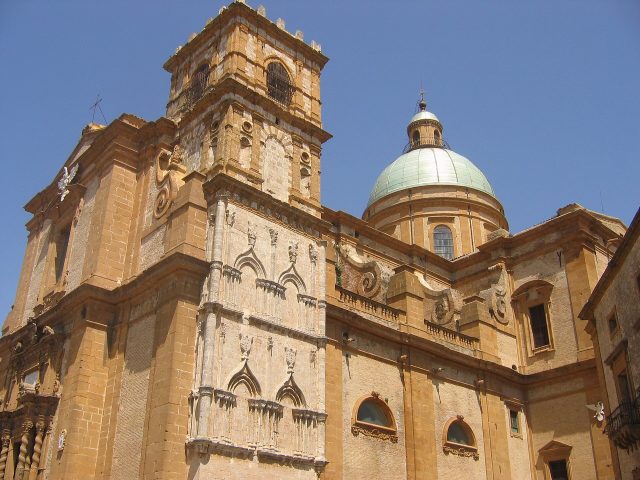
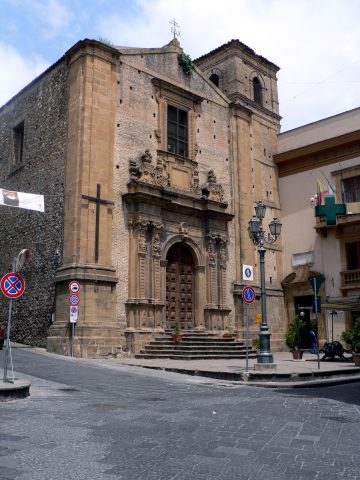
Though the villa lies off the beaten path, it draws historians, art lovers, and curious travelers from around the world. Piazza Armerina, a quiet town in the province of Enna, may not be a tourist hotspot, but it is home to this extraordinary monument. The locals take pride in the villa and often share tales of its discovery. Nearby cafés serve traditional Sicilian dishes, and the evenings unfold in a peaceful rhythm far removed from the bustle of the island’s more famous destinations. The villa is a place where history feels tangible, where every mosaic tile holds the memory of people who lived here nearly two thousand years ago.
This was no ordinary country retreat. The villa’s owner was likely a person of high rank—perhaps a member of the imperial family or a senior official. The opulence of the decorations and the villa’s strategic location in Sicily, a key region for Rome’s food supply, suggest as much. In the late Roman period, owning land on the island was a mark of status and wealth. The villa may have served not only as a private residence but also as an administrative hub, where important decisions were made.
Today, the Villa Romana del Casale is a UNESCO World Heritage site, and its inclusion is well deserved. It offers a rare window into the daily life of Rome’s elite—how they lived, what they valued, and what they dreamed of. The mosaics are not just works of art; they are a portal to a vanished world, one that continues to speak to us across the centuries. There are no grand legends or unsolved mysteries here, just the quiet power of authenticity, a reminder of how fragile and enduring human history can be.