Piazza Armerina is one of those Sicilian towns that quietly holds more history than its size might suggest. While most visitors flock to the nearby Villa Romana del Casale for its breathtaking mosaics, the town itself offers a different kind of richness—one that unfolds slowly, away from the usual tourist paths. At the heart of this experience is the Museo Civico, a museum where the past isn’t just displayed but lingers in the air, in the texture of the walls, and in the stories each object carries.
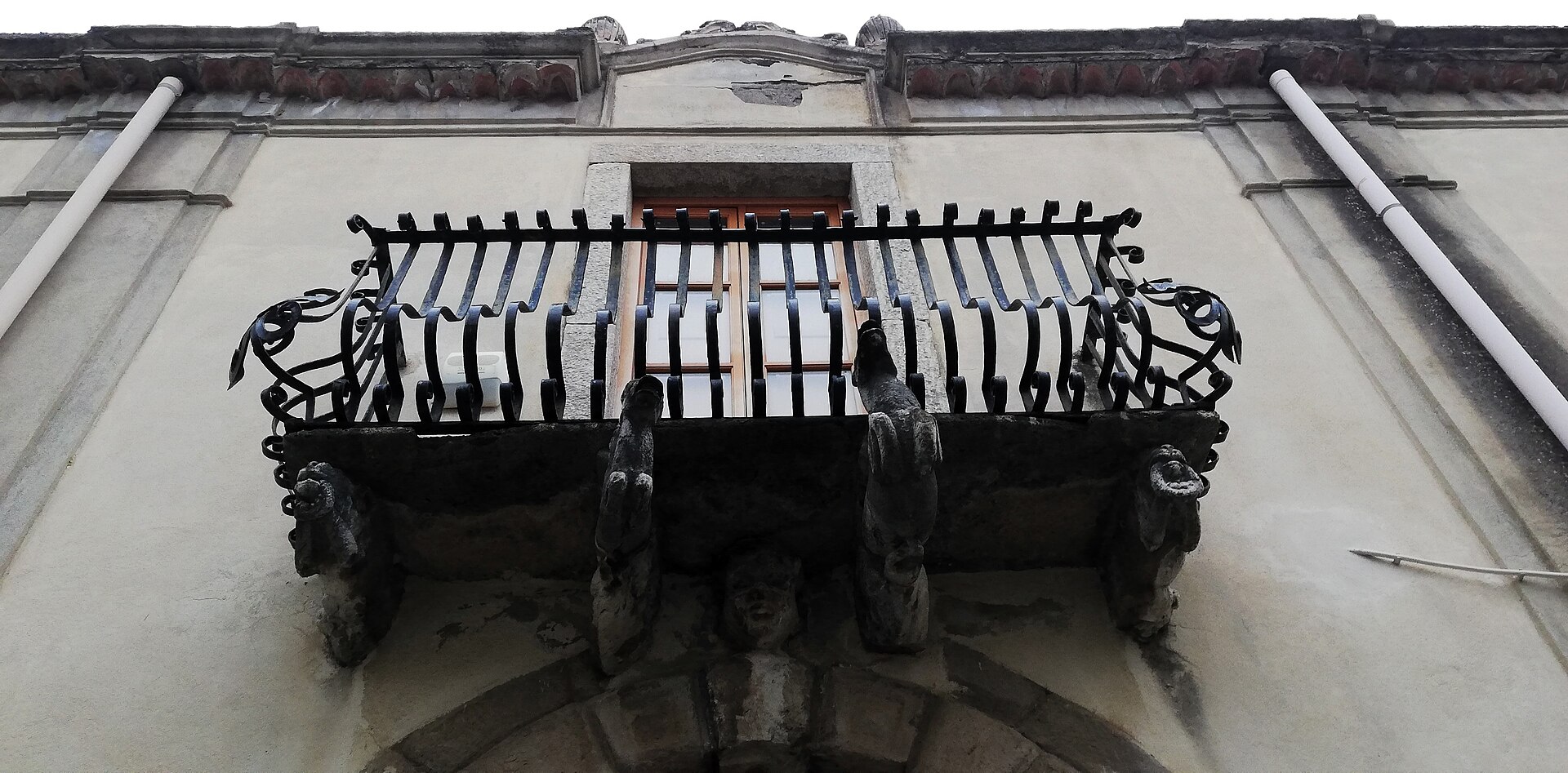
Housed in a former Capuchin monastery and later a town hall, the building itself is a piece of history. Its thick stone walls and vaulted ceilings create a sense of timelessness, as if the space has always been meant for quiet reflection. The architecture blends Sicilian Baroque with Renaissance influences, and the inner courtyard, with its arched walkways, still feels like a place where monks might have once gathered. Even on busy days, the museum retains a calmness that invites visitors to slow down and engage with what they see.
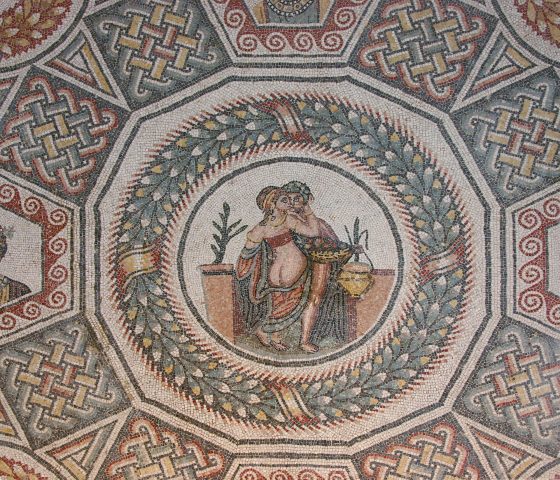
The collection spans centuries, but the most compelling pieces are those tied to antiquity. While the mosaics here may not rival the grandeur of Villa Romana del Casale, they offer something just as valuable: a glimpse into the everyday lives of ancient Sicilians. The fragments on display depict mythological scenes, intricate patterns, and portraits rendered with remarkable precision. They reveal how art wasn’t just for the elite but woven into the fabric of daily existence. Comparing these works to the mosaics at the villa, just a short distance away, highlights how varied and dynamic Roman art could be, even within the same region.
Beyond the classical era, the museum holds artifacts from the Middle Ages and the Renaissance, each telling a part of Sicily’s layered story. Coins trace the island’s economic shifts—from Greek and Roman currency to Arab dirhams and Norman tari—while ceramics, weapons, and jewelry reflect the cultural exchanges that defined Sicily. These objects aren’t just relics; they’re evidence of a place where civilizations collided and coexisted, leaving behind a legacy that’s still visible today.
One of the most intriguing sections focuses on Piazza Armerina itself. Founded in the Middle Ages, the town was once a significant center in southern Sicily, though it never achieved the fame of Palermo or Catania. The museum preserves documents, maps, and everyday items that reconstruct its past: seals from the town council, weapons used by local militias, even fragments of clothing worn by the city’s nobility. These pieces help paint a picture of a community that, despite its modest size, played a role in the island’s history. It’s a reminder that even smaller towns have stories worth uncovering.
The building’s design adds another layer to the experience. The courtyard, with its shaded arcades, feels like a hidden oasis, especially in the heat of summer. Some of the original frescoes still adorn the walls, their faded colors hinting at the building’s former life. There’s no rush here—no crowds, no pressure to move quickly from one exhibit to the next. The museum’s size is part of its charm; it’s small enough to explore thoroughly in a single visit but rich enough to leave a lasting impression.
What makes the Museo Civico special is its lack of spectacle. There are no flashy interactive displays or multimedia presentations, just a quiet invitation to look closely and think deeply. The objects on display—whether a Roman coin, a medieval sword, or a Renaissance ceramic—were once part of someone’s life. They weren’t created to be admired in a museum but to be used, handled, and passed down. That intimacy is what lingers long after the visit.
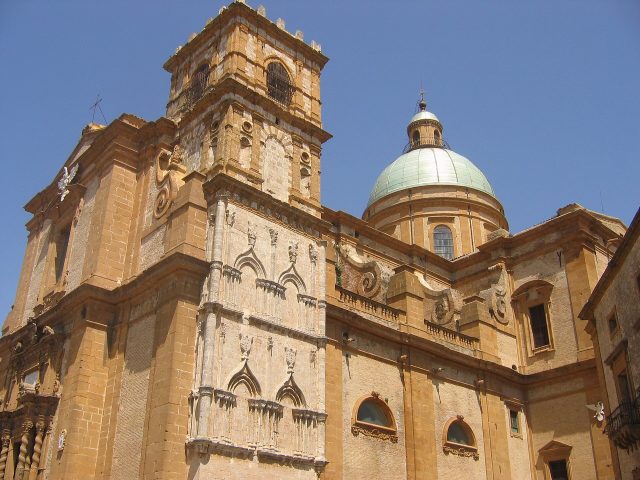
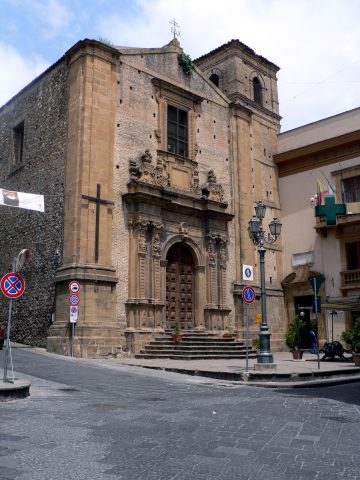
After leaving the museum, the rest of Piazza Armerina feels like a natural extension of the experience. The town’s narrow streets, lined with pastel-colored buildings, lead to small squares where locals gather in the evenings. A short walk from the museum, a viewpoint offers a sweeping view of the surrounding countryside, dotted with olive groves and rolling hills. It’s a place where history isn’t confined to exhibits but spills into the streets, the architecture, and the very air.
Sicily is an island where the past is never far away, but it’s often the smaller, less obvious places that reveal its true depth. The Museo Civico isn’t a grand museum, and it doesn’t need to be. Instead, it offers something rarer: a chance to connect with history through the ordinary, the overlooked, and the deeply human. In a world where so much is about the next big attraction, this museum reminds us that sometimes the most meaningful experiences come from simply paying attention.