
Montevideo
Uruguay · 29 places
Photo: Marcelo Campi, CC BY-SA 3.0
Montevideo stretches along the Río de la Plata, where river water meets the Atlantic. The city doesn’t hurry. It’s Uruguay’s capital, but it feels like a neighborhood where everyone knows the pace—slow, deliberate, unforced. Pastel buildings line the streets, their paint worn by sun and salt. Locals sip mate by the water or linger over coffee in corner cafés. Time here isn’t counted in minutes but in the way the light softens before sunset.
Plaza Independencia and the old town
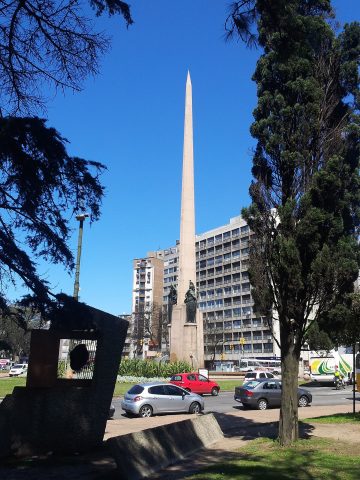
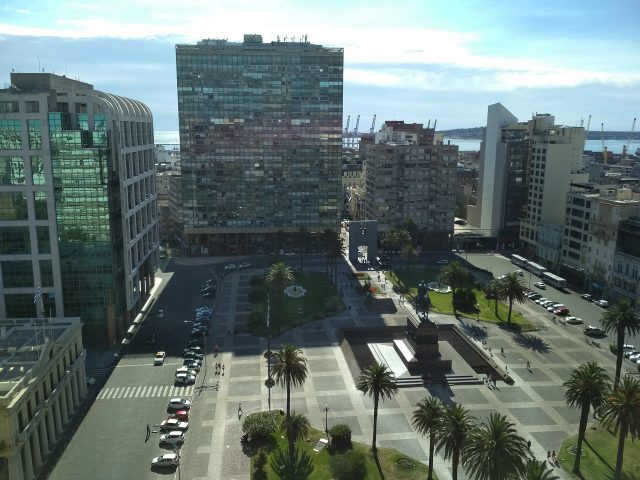
Plaza Independencia anchors the city. A statue of José Artigas stands tall, surrounded by colonial buildings. From here, Sarandí Street—named after Uruguay’s Nobel laureate—leads into the historic quarter. Cobblestones shift underfoot; the air carries salt and grilled fish. Narrow alleys twist between houses with wrought-iron balconies and heavy wooden doors. By the old port, fishermen repair nets while artists set up easels along the promenade. When dusk falls, streetlamps flicker, their light rippling on the water.
Football and the waterfront
The Estadio Centenario, built for the first World Cup, still hosts matches. Its walls display murals of players who became legends. In parks, kids play with balls. In bars, people argue over games while drinking tannat wine.
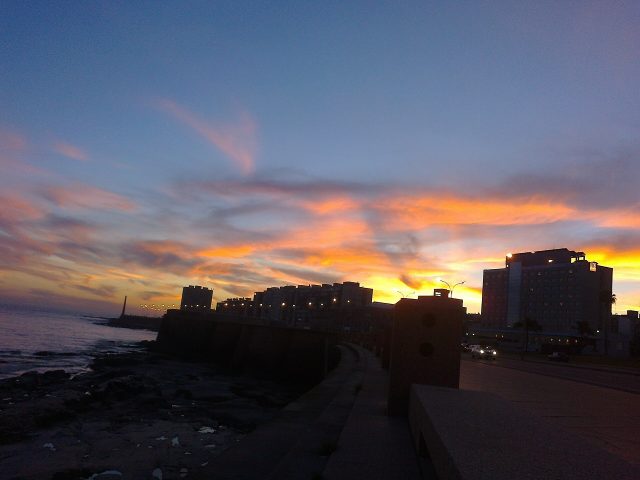
The waterfront defines Montevideo. In summer, Pocitos and Ramírez beaches fill with sunbathers. Music spills from seaside cafés. Winter doesn’t empty the promenade—people walk dogs, ride bikes, or sit on benches watching waves.
No need to impress
Montevideo doesn’t try to dazzle. There are no palaces or malls. Instead, the old town invites aimless wandering. Bakeries sell pastries filled with dulce de leche. In the evenings, a guitar’s strum drifts from open doorways. The city feels familiar because it doesn’t perform—it simply exists. Locals smile easily, strike up conversations. Life here moves like the tide: steady, unhurried, letting each day unfold as it should.
See & Do
28 places




Places on the map
Marker colour follows the categoryClimate and weather
Detailed weather: Montevideo- Average temperature
- 17 °C
- Precipitation per year
- 938 mm
Average air temperature
°C
24
23
22
18
14
11
11
12
14
17
20
22
Jan
Feb
Mar
Apr
May
Jun
Jul
Aug
Sep
Oct
Nov
Dec


