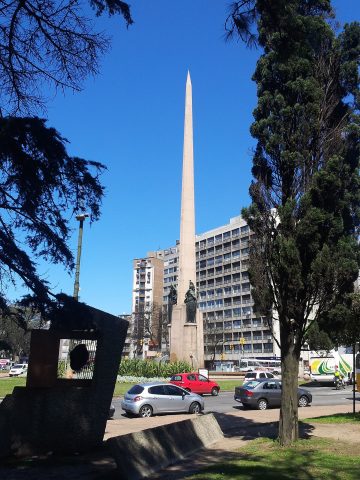
Montevideo’s Prado neighborhood feels like a quiet pause in the rhythm of the city, a place where time moves just a little slower. Tucked away in the northern part of the capital, it’s often called the green heart of Montevideo, and the name fits. Unlike the bustling downtown or the crowded port, Prado offers wide-open spaces, tree-lined avenues, and a sense of calm that’s hard to find elsewhere. The streets here are lined with old mansions, their gardens now part of public parks, and the air carries the scent of eucalyptus and jasmine rather than exhaust fumes. It’s the kind of place where you can wander for hours without encountering crowds, just the occasional jogger or a family pushing a stroller.
The history of Prado is tied to Montevideo’s expansion in the 19th century, when the city began to grow beyond its colonial walls. Wealthy families chose this area for their country estates, building grand villas surrounded by sprawling gardens. Many of these homes still stand today, their architecture a mix of European styles—neoclassical facades, wrought-iron balconies, and the occasional Art Nouveau flourish. Walking through Prado, you get the sense of stepping into another era, one where life was measured in leisurely afternoons and long conversations over mate tea.
At the center of it all is Parque Prado, one of Montevideo’s oldest and largest green spaces. Established in the mid-1800s, the park covers over a hundred hectares and feels like a world of its own. There are wide lawns perfect for picnics, ponds where ducks glide between water lilies, and shaded paths that wind past flowerbeds and old trees. The park changes with the seasons—spring brings bursts of color from blooming roses, while autumn turns the leaves into a patchwork of gold and red. It’s a place where locals come to escape the heat of summer or simply to sit on a bench and watch the world go by.
One of the park’s highlights is the Rosaleda, a rose garden that explodes into color during the blooming season. Hundreds of varieties fill the air with fragrance, and the carefully tended beds make it a favorite spot for photographers and couples strolling hand in hand. Nearby, the Japanese Garden offers a different kind of tranquility. A gift from Montevideo’s sister city, Osaka, it’s small but meticulously designed, with stone lanterns, a koi pond, and a wooden bridge that arches over a narrow stream. The garden feels like a secret corner of the park, a place where the noise of the city fades into the sound of rustling bamboo.
Prado’s architecture tells its own story. Many of the old mansions have been preserved, their facades a blend of styles that reflect the tastes of their original owners. Some, like the Villa Foscolo, built in the 1870s, still retain their original grandeur, with intricate moldings and manicured gardens that hint at the wealth of the families who once lived there. Others have been repurposed as museums or cultural centers, offering a glimpse into Uruguay’s past. The Museo Juan Manuel Blanes, for example, is housed in a former estate and showcases the work of one of Uruguay’s most celebrated painters, along with rotating exhibitions of contemporary art.
Beyond its parks and buildings, Prado has a quiet cultural life of its own. The neighborhood is home to several small museums, each with its own character. The Museo de Historia del Arte traces the evolution of Uruguayan art, while the Museo Blanes offers a more intimate look at the country’s artistic heritage. There are no grand crowds here, just the occasional visitor wandering through the galleries or sitting in the courtyard with a book. On weekends, the park fills with families, cyclists, and groups of friends sharing a thermos of mate. In the summer, open-air concerts draw small but enthusiastic audiences, while winter brings a rare dusting of snow, a novelty in a city where temperatures rarely dip below freezing.
What makes Prado special isn’t just its beauty, but the way it feels lived-in. This isn’t a place designed for tourists; it’s where Montevideo comes to slow down. The cafés here are unpretentious, serving strong coffee and pastries to regulars who linger over their cups. The restaurants offer simple, hearty meals—grilled meats, fresh pasta, or a classic chivito sandwich—without the fuss of trendy dining. There are no souvenir shops or guided tours, just the quiet hum of everyday life. On a Sunday afternoon, you might see an elderly couple playing chess under a tree, a group of teenagers practicing dance moves on the grass, or a father teaching his child to ride a bike.
Prado doesn’t demand attention the way other parts of Montevideo do. There are no grand monuments or must-see attractions, just the steady rhythm of a neighborhood that has found its own pace. It’s the kind of place where you might come for an hour and end up staying all day, lulled by the rustle of leaves and the distant sound of a fountain. For locals, it’s a reminder that Montevideo isn’t just a capital city, but a place where life can still be unhurried. For visitors, it’s a chance to see the city as it might have been a century ago—green, quiet, and just a little bit slower.