
Islamabad
Pakistan · 8 places
Photo: Muhammad Ashar, CC BY-SA 4.0
Islamabad was built in the 1960s to replace Karachi as Pakistan’s capital, designed by foreign architects who blended modern urban planning with local sensibilities. The result is a city of wide boulevards, generous green spaces, and low-rise buildings—a deliberate contrast to the crowded energy of other Pakistani cities. There’s no relentless metropolitan rush here, though it remains one of the country’s most contemporary urban centers. Traffic flows smoothly, with intersections designed to keep congestion brief, and the overall pace feels measured, almost unhurried.
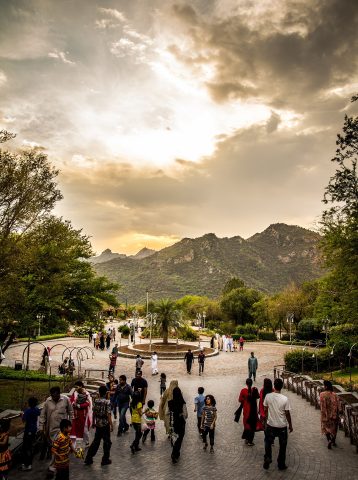
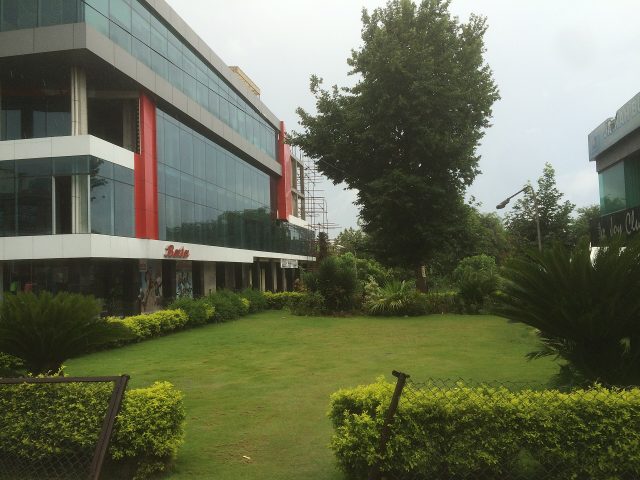
The city is divided into sectors, each with its own character. The diplomatic enclave is a quiet maze of high walls shielding embassies and their manicured gardens, while commercial districts hum with banks, offices, and shops selling everything from spices to electronics. Residential areas are where the city’s rhythm feels most human—families strolling in parks, children playing in courtyards, neighbors gathering for evening tea. The strict grid layout might suggest rigidity, but the abundance of trees and open spaces softens the geometry, making it feel more organic than imposed.
Nature is never far away in Islamabad. The Margalla Hills rise just beyond the city limits, their forested slopes crisscrossed with hiking trails where locals and visitors escape for fresh air and sweeping views. Within the city itself, greenery is everywhere—parks, roadside gardens, and flowering trees that burst into color each spring. Summers can be hot, but the hills temper the heat, and evenings often bring a welcome coolness. Even in the dry season, the city retains a sense of lushness, a rare quality for a capital.
Islamabad is a place of contrasts, where tradition and modernity coexist without friction. You might see women in vibrant shalwar kameez walking past men in sharp business suits, or hear the call to prayer mingling with the hum of construction. The city has its share of museums, galleries, and theaters, but some of the most vivid cultural moments unfold in public spaces—street festivals, bustling bazaars, and religious celebrations that spill into the open. The Itwarat market, for instance, isn’t a polished tourist attraction but a living, breathing slice of local life, where vendors sell antiques and sweets to regulars who know the best stalls by heart.
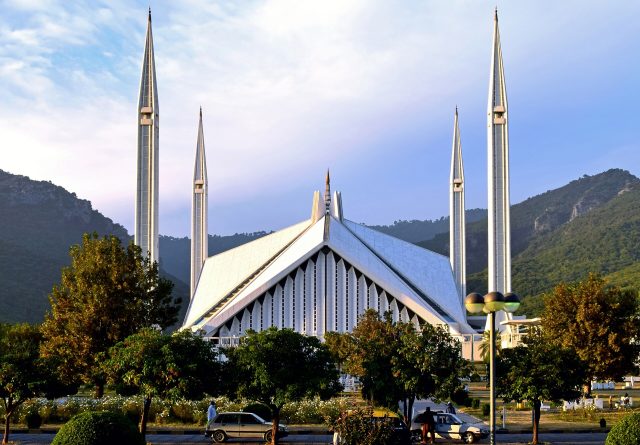
For a capital city, Islamabad is remarkably unassuming. There’s no palpable tension, no sense of being at the center of political gravity. Even the official buildings—the parliament, the presidential residence, the ministries—don’t loom with self-importance. They sit quietly among the trees, blending into the landscape rather than dominating it. The city doesn’t try to impress; it simply works. It’s a place where life unfolds at a comfortable pace, where the scale feels human despite its status, and where the balance between order and warmth makes it feel like home.
See & Do
8 places


Places on the map
Marker colour follows the categoryClimate and weather
Detailed weather: Islamabad- Average temperature
- 22 °C
- Precipitation per year
- 1306 mm
Average air temperature
°C
11
15
19
24
29
32
30
29
28
23
17
12
Jan
Feb
Mar
Apr
May
Jun
Jul
Aug
Sep
Oct
Nov
Dec


