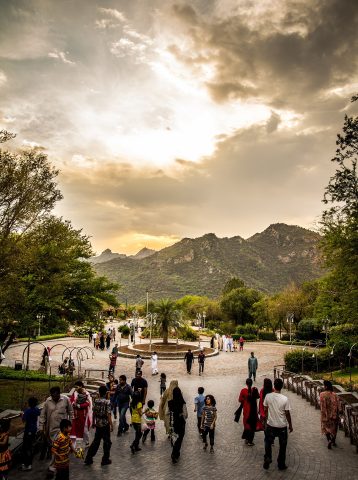
Lake View Park is one of those places in Islamabad that feels like a quiet escape from the city’s usual rhythm. It sits along the edge of Rawal Lake, a man-made reservoir that has been supplying water to the capital and its surroundings for decades. The park itself isn’t ancient or grand in the way some historical sites are, but it has become a familiar part of daily life for many locals—a place where families come to unwind, where joggers trace the same paths at dawn, and where the evening light catches the water in a way that makes the city feel far away.
The park’s layout is simple, almost understated. Wide, paved walkways wind around the lake, shaded by trees that were planted when the area was first developed. Some of the older trees have grown thick and gnarled, their branches stretching over the water, while younger ones line the paths in neat rows. There are no towering monuments or ornate gates here, just a steady, unhurried flow of people moving between the open spaces, picnic spots, and small gardens. The lake itself is calm most of the time, its surface broken only by the occasional ripple from a passing boat or a fish breaking the surface.
Rawal Lake was created in the 1960s, part of a larger effort to secure a reliable water supply for Islamabad as the city was being built. The dam that holds it back is functional rather than decorative, a reminder that this place was designed with practicality in mind. Over time, though, the area around the lake became a natural gathering point. The park was developed later, not as a grand project but as a way to give the public access to the water and the open space. It’s one of those places that grew organically, shaped more by the people who use it than by any formal plan.
What makes Lake View Park feel different from other green spaces in the city is its connection to the water. The lake isn’t just a backdrop; it’s the reason the park exists. On weekends, you’ll see families setting up picnics near the shore, children running along the edge, and groups of friends sitting on the grass with the water stretching out in front of them. There are no fancy restaurants or high-end cafes here, just a few small stalls selling tea, snacks, and cold drinks—enough to keep people comfortable without turning the place into something it’s not.
The park is also a popular spot for early risers. Before the heat of the day sets in, joggers and walkers fill the paths, some moving quickly, others taking their time. The air is cooler then, and the light has a softness that makes the whole scene feel peaceful. Cyclists pass by, and sometimes you’ll see someone fishing off the rocks near the dam, though the lake isn’t known for its fishing. It’s more about the quiet, the space to move, and the way the water reflects the sky.
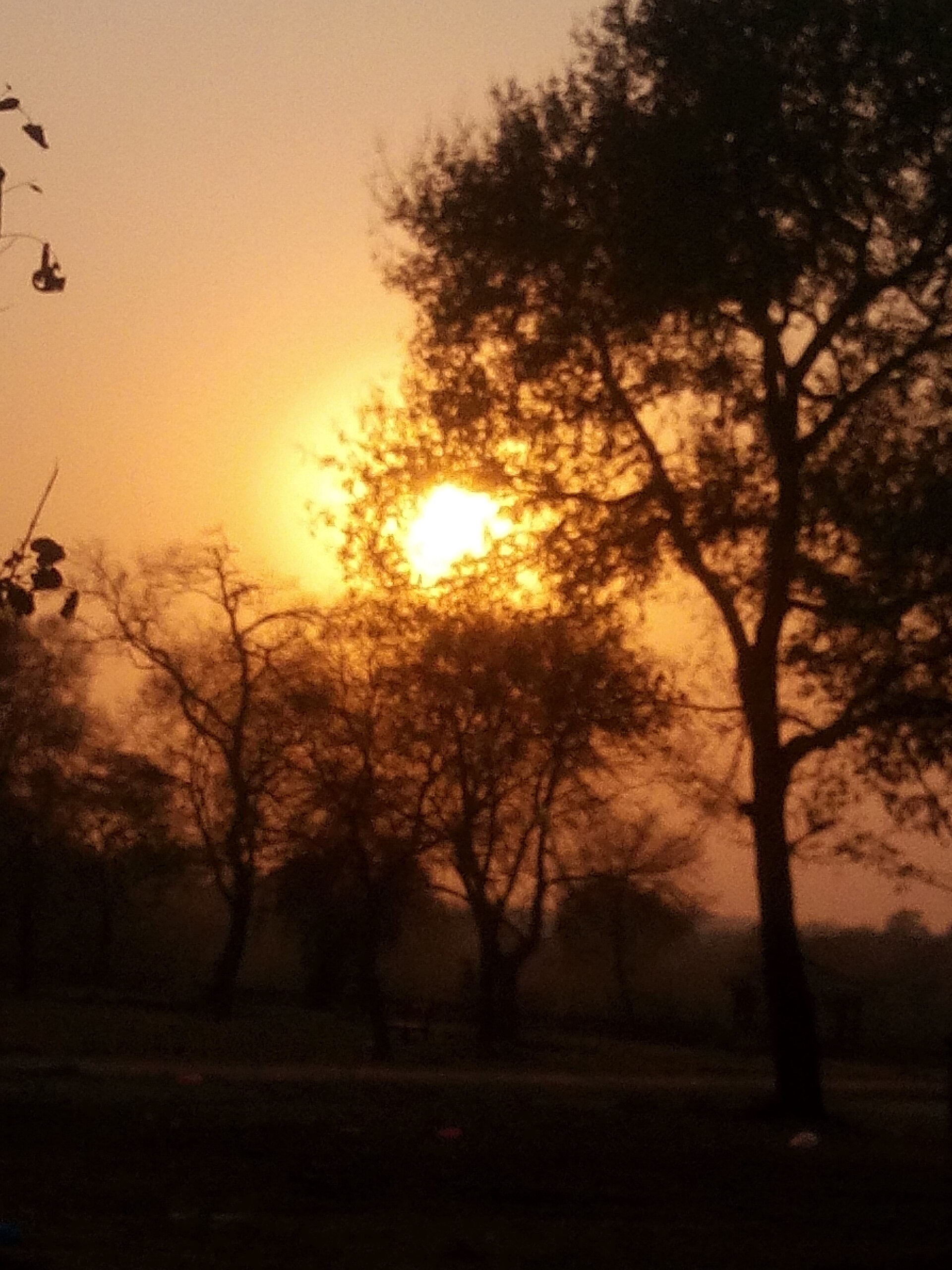
In the evenings, the park takes on a different mood. As the sun sets, the lights along the paths flicker on, and the sound of crickets mixes with the occasional laughter from a family still lingering by the lake. The water darkens, and the silhouettes of the trees become more pronounced. It’s not a place for loud gatherings or nightlife, but there’s a sense of contentment in the way people sit on the benches, watching the last of the daylight fade.
There’s something unpretentious about Lake View Park. It doesn’t try to be anything more than what it is—a place where the city meets the water, where people come to breathe a little easier. It’s not the kind of park that makes it onto postcards or travel brochures, but that might be why it feels so genuine. It’s a reminder that sometimes the best places are the ones that don’t demand attention, that simply exist for the people who need them.