Jinnah Super Market is one of those places in Islamabad that feels less like a shopping destination and more like a slice of everyday life in the city. Tucked away in the F-7 sector, it has been a fixture of the capital’s commercial landscape since the 1970s, growing alongside the city itself. Unlike the polished malls that have sprung up in recent decades, this market retains a lived-in, unpretentious character—part bazaar, part neighborhood hub, where the rhythm of trade and conversation hasn’t changed much over the years.
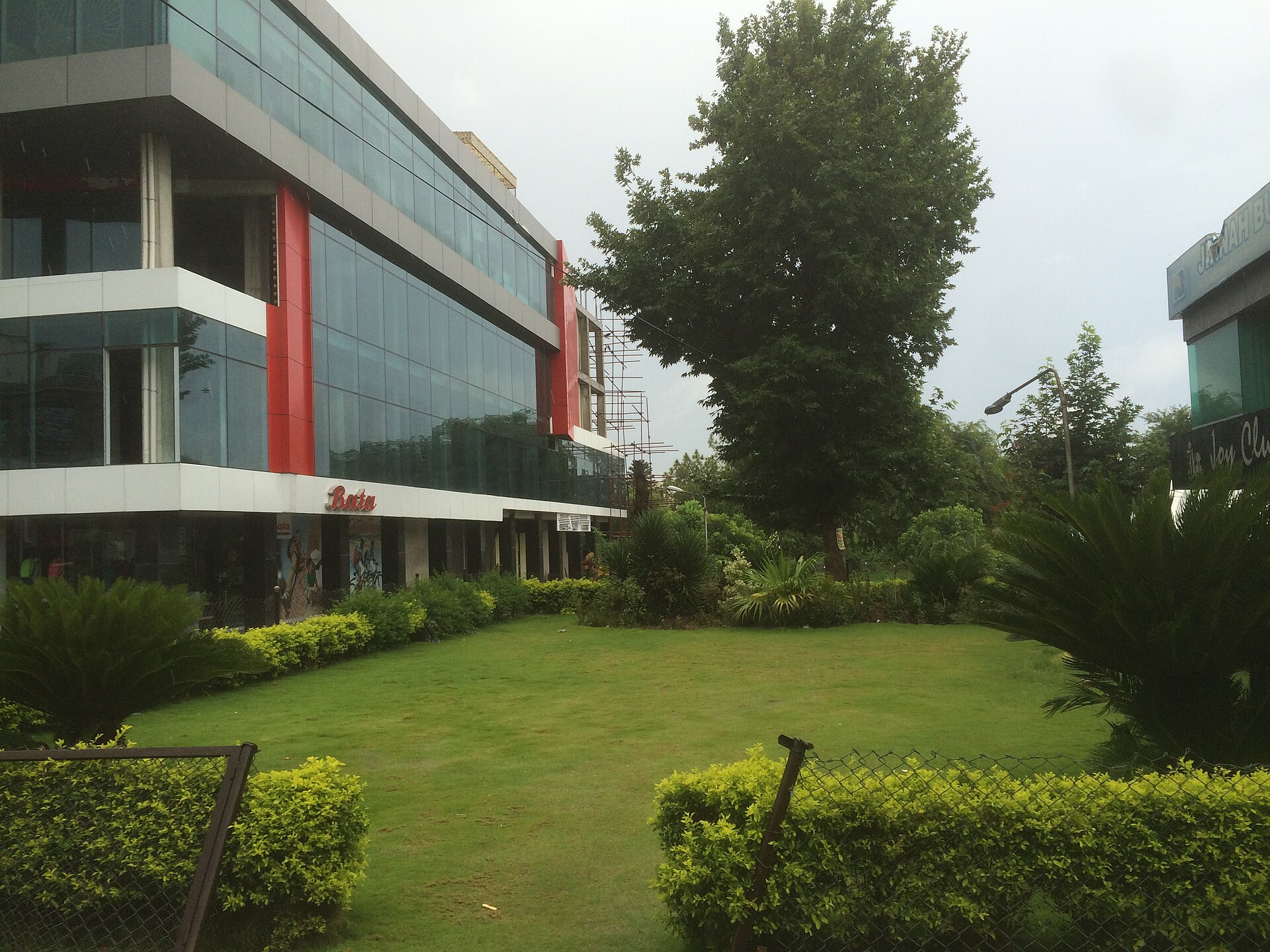
The market’s layout is straightforward, almost utilitarian. A central lane runs through the heart of the complex, flanked by two-story buildings with shops on both levels. The ground floor is a mix of grocery stores, pharmacies, and small eateries, while the upper level leans toward clothing, fabrics, and household goods. There’s no grand architecture here, no sweeping atriums or designer facades. Instead, the buildings are functional, their concrete and glass fronts worn in places, bearing the marks of decades of use. The market’s charm lies in its ordinariness, in the way it serves as a reliable backdrop to the routines of those who live and work in the area.
For many residents of Islamabad, Jinnah Super Market is where you go for the things you need but don’t necessarily want to make a special trip for. It’s the place to pick up fresh produce when the fridge runs low, to grab a quick bite when you’re out running errands, or to find a last-minute gift before a dinner party. The grocery stores here are well-stocked with staples—rice, lentils, spices, and cooking oils—but also with imported goods that reflect the city’s international connections. You’ll find everything from Italian pasta to Middle Eastern dates, a reminder of how Islamabad’s expat and diplomatic communities have shaped its commercial landscape.
The market is also a place where small businesses thrive. Many of the shops have been family-run for generations, passed down from parents to children. There’s a sense of continuity here, a quiet pride in maintaining a presence in a city that has changed dramatically around them. Some of the older shopkeepers still remember when the market was little more than a cluster of stalls, before the permanent structures were built. Their stories, though not always visible, add a layer of depth to the place, hinting at the resilience of small-scale commerce in a rapidly modernizing city.
One of the market’s most enduring features is its food scene. The eateries here are unassuming but beloved, serving up some of Islamabad’s most reliable comfort food. There are stalls selling freshly baked naan and samosas, their golden crusts crisp from the oven, and small restaurants where you can sit down to a plate of daal chawal or a hearty nihari stew. For those with a sweet tooth, there are shops offering traditional Pakistani desserts like gulab jamun and jalebi, their syrupy sweetness a counterpoint to the savory aromas that fill the air. The food isn’t fancy, but it’s honest—prepared with care and served without pretense.
Beyond the practicalities of shopping and eating, Jinnah Super Market is a social space. It’s where neighbors bump into each other, where friends arrange to meet before heading elsewhere, and where strangers strike up conversations over a shared table. The market’s open-air sections, particularly in the evenings, become gathering spots where people linger, sipping chai or lassi as the day winds down. There’s a sense of community here, a feeling that the market belongs to the people who use it, rather than the other way around.
The market’s location in the F-7 sector also gives it a certain context within Islamabad. This part of the city is one of the older residential areas, developed in the early years of the capital’s expansion. The streets around the market are lined with trees, their branches forming a canopy over the sidewalks, and the architecture of the surrounding homes reflects the mid-century modernist style that defined Islamabad’s early development. Jinnah Super Market, in many ways, is a product of this era—a place that grew out of the needs of a growing city and has adapted, without fanfare, to the changes that followed.
Over the years, the market has faced its share of challenges. Economic shifts, the rise of larger shopping centers, and the pressures of urban development have all left their mark. Yet it has endured, not by reinventing itself, but by staying true to what it has always been: a place of utility and familiarity. There are no grand ambitions here, no attempts to compete with the glitz of newer retail spaces. Instead, Jinnah Super Market remains what it has always been—a dependable, unassuming part of the city’s fabric, where the business of daily life carries on, much as it always has.