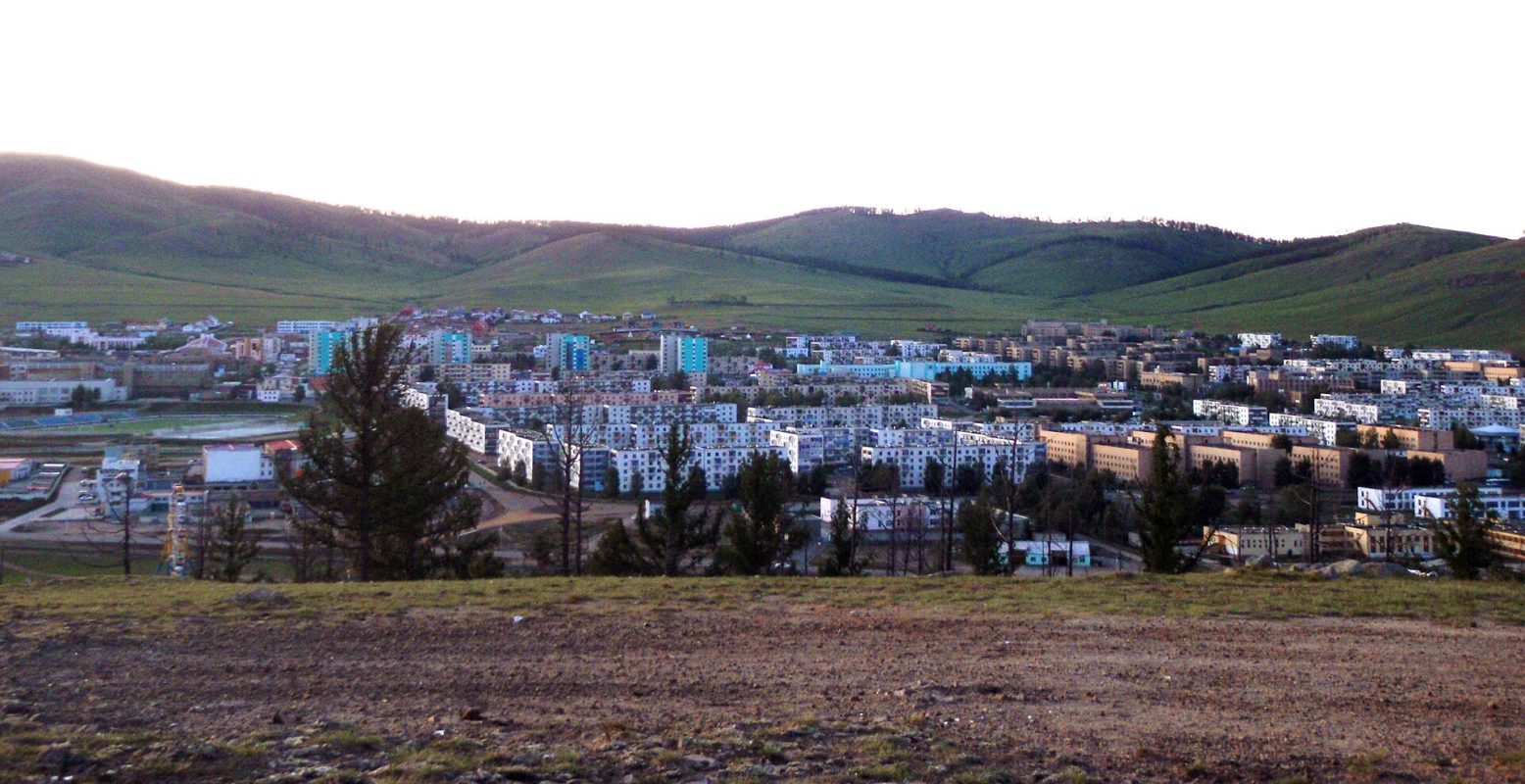
Weather overview
The weather in Эрдэнэте shifts dramatically across the year, reflecting its continental climate. Winters are long and severe, with temperatures often dropping below -20 °C in January and December. The cold begins to ease in March, though nights remain chilly. By April, Эрдэнэт sees a noticeable thaw, and the brief summer arrives in June, bringing warmer but still modest temperatures.
From June to August, Эрдэнэт experiences its mildest weather, with daytime highs reaching +22...+24 °C. This is the only period when rain becomes more frequent, particularly in July, the wettest month. By September, the air cools quickly, and by October, winter’s return is already evident. The dry, cold months dominate the rest of the year, making Эрдэнэт a destination best suited for those prepared for sharp seasonal contrasts.
Temperature
Winter in Эрдэнэте is harsh, with January averaging -20.6 °C and nighttime lows near -26 °C. Even in February and December, temperatures stay well below freezing, rarely rising above -7 °C during the day. The first signs of warming appear in March, though the average of -4.9 °C still feels wintry. By April, the shift is clearer, with daytime highs reaching +11 °C, though nights can still dip below zero.
Summer in Эрдэнэте is short but pleasant. June and July bring the warmest weather, with averages of +16...+18 °C and daytime highs up to +24 °C. Nights remain cool, often around +8...+11 °C, so layers are useful. By August, temperatures start to decline, and by September, the average drops to +9.8 °C. October marks the rapid return of cold, with daytime highs falling to +8 °C and nights below zero by mid-month.
| Month | Minimum | Maximum |
|---|---|---|
| January | -25.9 | -11 |
| February | -23.6 | -7.8 |
| March | -12.1 | 3.5 |
| April | -4.7 | 11.3 |
| May | 0.6 | 18.4 |
| June | 7.8 | 23.6 |
| July | 11.5 | 24.5 |
| August | 8.7 | 22 |
| September | 2.9 | 18.4 |
| October | -7 | 8.3 |
| November | -15.5 | -1.8 |
| December | -25.4 | -9.9 |
Precipitation
Эрдэнэт is a dry city for most of the year, with minimal rainfall outside the summer months. From November to March, precipitation is scarce, often just 2–4 mm per month. Snow is light but frequent in winter, though it rarely accumulates heavily. The first noticeable increase comes in April, with nearly 10 mm of rain, but the real shift occurs in May, when monthly totals jump to 31.7 mm.
July is the wettest month in Эрдэнэте, with 110 mm of rain, nearly a third of the year’s total. Showers are brief but can be heavy, often followed by clear skies. August remains damp with 73.7 mm, while September sees a sharp decline to 48.3 mm. By October, the dry season returns, and the city stays mostly rain-free until the following May. Travelers visiting in summer should pack a light rain jacket, while those coming in winter can expect dry, crisp air.
| Month | Precipitation |
|---|---|
| January | 3.3 |
| February | 3.5 |
| March | 3.3 |
| April | 9.8 |
| May | 31.7 |
| June | 50.3 |
| July | 110 |
| August | 73.7 |
| September | 48.3 |
| October | 10.7 |
| November | 4.3 |
| December | 2.3 |
What to pack
For a winter trip to Эрдэнэт, warmth is the priority. Temperatures in January and December can drop to -25 °C, so insulated boots, a heavy coat, gloves, and a hat are essential. Thermal layers will help manage the cold, especially during long outdoor walks. Even in March and November, when temperatures are slightly less extreme, a thick jacket and windproof clothing are necessary for comfort.
Summer in Эрдэнэте calls for lighter layers. Daytime highs in June and July reach +24 °C, but nights can cool to +8 °C, so a mix of short-sleeve shirts, long sleeves, and a light sweater or fleece is ideal. A compact umbrella or waterproof jacket is useful for July and August, when rain is most likely. For April, May, and September, a medium-weight jacket and scarf will bridge the gap between the lingering cold and the brief warmth.
Year-round, sturdy footwear is a good idea in Эрдэнэте. Winter boots should be waterproof and insulated, while summer shoes can be breathable but still supportive for uneven terrain. Sunglasses are useful in all seasons, as the sun is bright even in winter, and the dry air can make the cold feel sharper. If visiting in October or April, when temperatures swing between freezing nights and mild days, packing versatile layers will help adapt to the changing conditions.