Sükhbaatar Square in Erdenet is one of those places where the city breathes. It’s not as vast as the central squares of Mongolia’s capital, but it has its own quiet rhythm, a sense of order that feels natural rather than imposed. Like many public spaces in Mongolia, it serves as a gathering point—not just for official events, but for the everyday life of the city. On any given day, you might see people strolling, sitting on benches, or hurrying past on their way to work. Festivals, concerts, and public meetings take place here, but even when nothing special is happening, the square remains a place where the pulse of Erdenet can be felt.
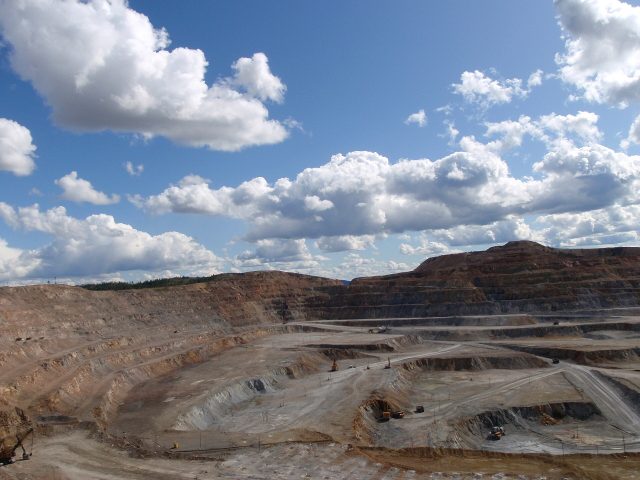
Erdenet is a young city by Mongolian standards, founded in the mid-20th century as the heart of the country’s mining industry. It grew around one of the world’s largest copper and molybdenum deposits, and its identity has always been tied to labor and progress. Sükhbaatar Square emerged alongside the city, becoming its first true public space. It was named after Damdin Sükhbaatar, a revolutionary leader and national hero who played a key role in shaping modern Mongolia. The choice of name reflects the era in which Erdenet was built—a time when industrialization and socialist ideals were central to the country’s development.
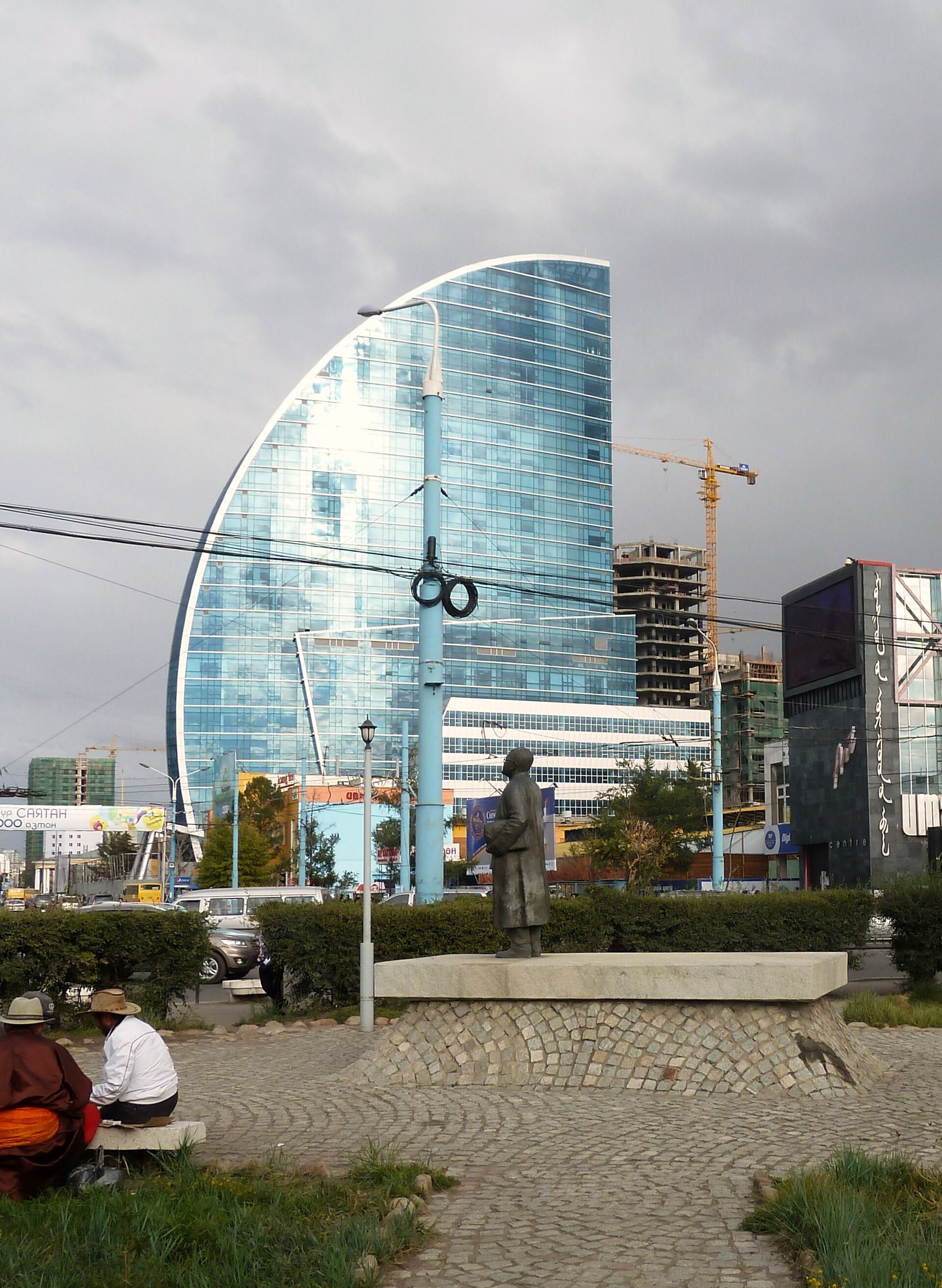
The architecture of the square is simple and unadorned, much like the rest of Erdenet. There are no grand palaces or intricate facades here, just practical, functional buildings that serve their purpose. At the center stands a modest monument to Sükhbaatar, his statue in military uniform gazing into the distance as if overseeing the city’s growth. Around the base, flowerbeds bloom in summer, while in winter, the area transforms into an ice rink, drawing crowds of skaters. The square is well-maintained, with clean paths and occasional bursts of color from seasonal plants, but it never feels overly polished—just lived-in and real.
The buildings surrounding the square are typical of Soviet-era construction, with their sturdy concrete frames, large windows, and straightforward lines. Some facades feature mosaics or reliefs depicting workers, machinery, and industrial themes—echoes of a time when Erdenet was envisioned as a model of socialist progress. Today, the square is home to the city administration, banks, a post office, and a handful of cafes and shops. The atmosphere is one of quiet efficiency, a place where business gets done without the frantic energy of a larger city.
Beyond its administrative role, Sükhbaatar Square is also a cultural hub. Throughout the year, it hosts events that bring the community together—concerts by local musicians, art exhibitions, and public celebrations. The most vibrant time is during Naadam, Mongolia’s traditional festival, when the square becomes the stage for wrestling matches, horse races, and archery competitions. Even if you visit outside of festival season, you can still catch glimpses of this spirit. Families gather here, children play, and the scent of grilled meat and fermented mare’s milk lingers in the air. It’s a place where the past and present coexist, where modern life meets age-old traditions.
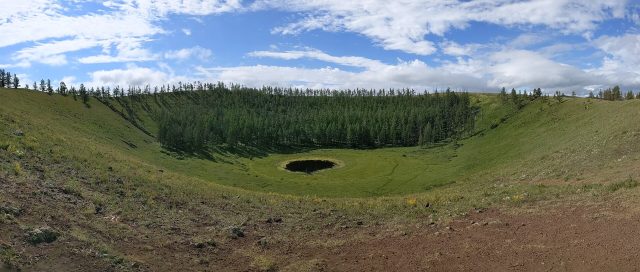
For visitors, the square is a good starting point for exploring Erdenet. From here, you can wander through the city’s streets, visit the local museum to learn about the history of copper mining, or take a tour of the mining complex that still drives the city’s economy. Beyond the urban center, the surrounding steppes and hills offer a glimpse into Mongolia’s nomadic heritage, with herders tending their flocks and small lakes dotting the landscape. But to truly understand Erdenet, it helps to begin at the square, where the city’s industrial roots and its connection to the land are most visible.
The square changes with the seasons. In winter, snow blankets the paths and flowerbeds, and strings of lights add a soft glow to the monument. Locals come to skate on the ice rink, and children build snowmen in the corners of the square. Summer brings long, sunlit days, with shade from the trees offering relief from the heat. No matter the time of year, the square is always alive with activity—people walking to work, parents pushing strollers, elderly residents chatting on benches. It’s a place where Erdenet reveals itself without pretense, a city that is both ordinary and deeply rooted in its own story.
Sükhbaatar Square is more than just the geographic center of Erdenet; it’s the city’s soul. Here, the legacy of industrialization meets the enduring traditions of Mongolia. The square reflects the dual identity of a place that was built by miners and engineers but remains tied to the vast, open landscapes that define the country. If you find yourself in Erdenet, take a moment to sit on one of the benches, watch the people passing by, and listen to the sounds of the city. In this unassuming space, you might just catch a glimpse of what modern Mongolia is all about—a land where progress and tradition walk side by side.