Erdenet’s Gandanshaduvlin Monastery feels like a place where time slows down. Perched on the edge of the city, its white walls and gilded roofs stand out against the low hills that surround it. There’s no tourist bustle here, no crowds jostling for the best view—just a quiet, living space where locals come not only to pray but to sit in silence, listen to the prayer flags fluttering in the wind, or chat with the monks, who often seem happy to talk.
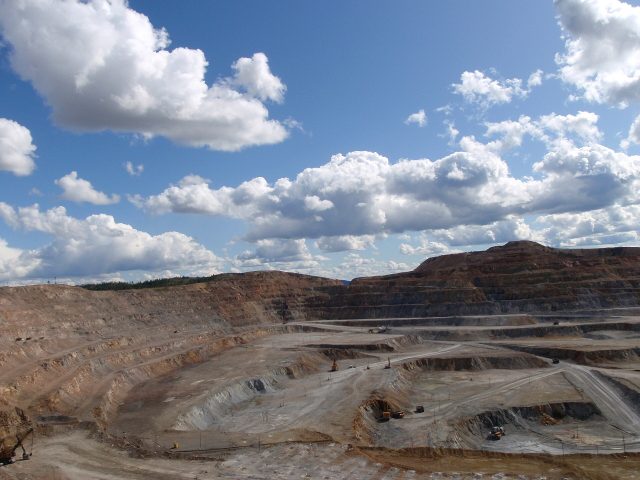
The monastery’s story is woven into Erdenet’s own history. The city grew around one of the world’s largest copper and molybdenum deposits, a product of mid-20th-century Soviet and Mongolian geology. Yet even in this industrial heartland, dominated by open-pit mines and smelters, the monastery became a symbol of something older, something rooted in Mongolia’s past. It was founded in 1990, as the country began to shake off its socialist legacy and religion found its way back into public life. The name Gandanshaduvlin echoes the grand Gandan Monastery in Ulaanbaatar, a quiet nod to the continuity of tradition.
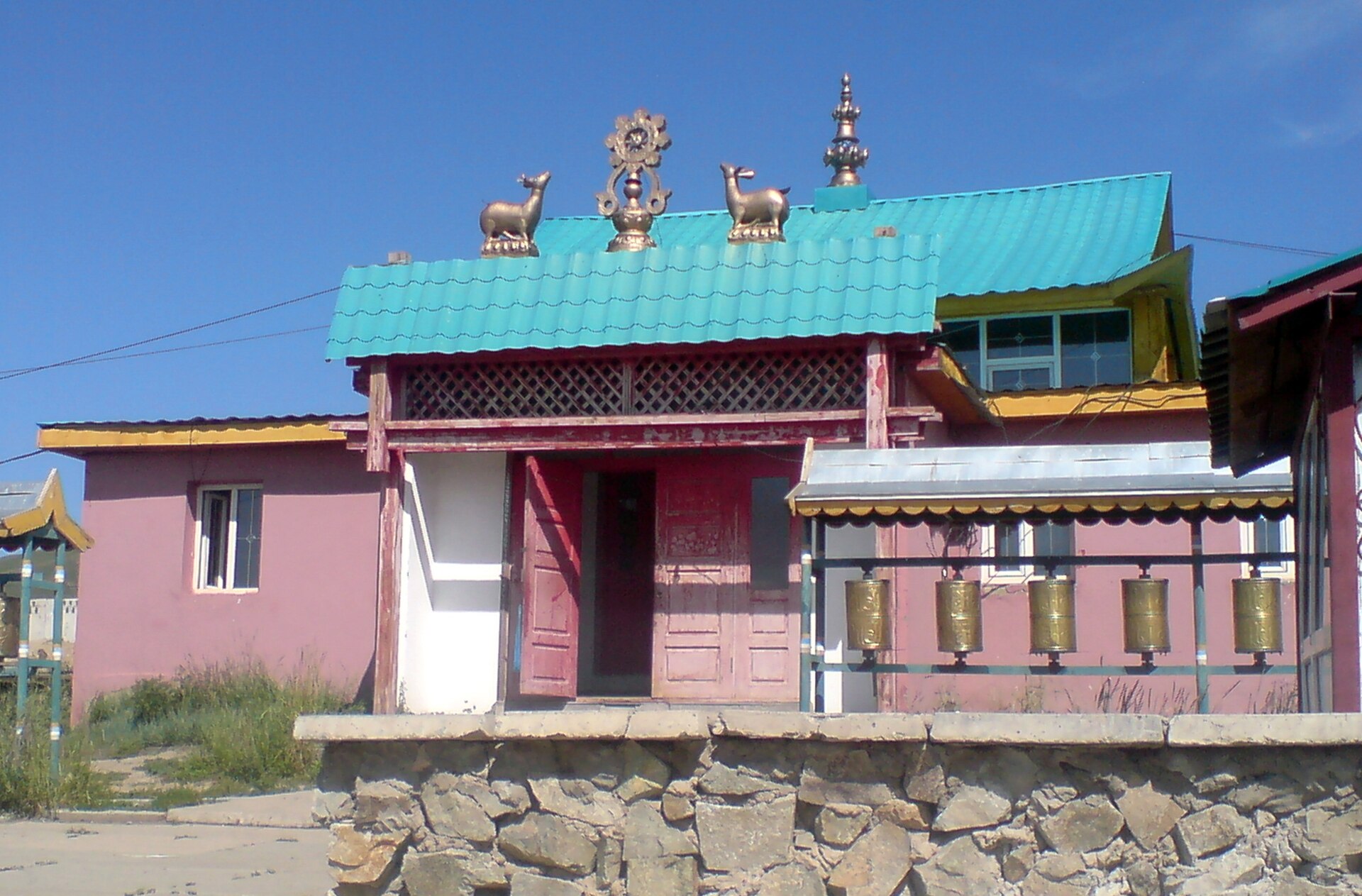
The architecture is classic Mongolian Buddhist, though with its own subtle touches. The main temple is a two-story building with a traditional roof, its gilded details catching the light. Inside, the space is bright and airy, the walls painted in vivid colors, with a statue of Shakyamuni Buddha at its center. Nearby stands a stupa, or suburgan, its white walls and golden spire a stark contrast to the surrounding landscape. It’s a symbol of Buddhist cosmology, a physical representation of the path to enlightenment, and it feels especially striking when the sun glints off its gilded top.
Life here moves to the rhythm of Buddhist rituals. Early in the morning, while the city still sleeps, the monastery comes alive with prayers. The sound of bells and the deep chants of the monks drift over the hills, a reminder that this isn’t just a place of tradition but a living practice. Throughout the day, the monks go about their routines—cooking in the communal kitchen, sweeping the courtyard, or sitting in meditation. Visitors are welcome to join the services, but it’s best to do so with respect, avoiding photography during prayers and keeping a quiet presence.
Beyond its religious role, the monastery is a place of refuge for those seeking stillness. Small gardens surround it, where wildflowers bloom in summer and berries ripen in autumn. Locals often leave offerings—milk, sweets, fruit—by the temple entrance, a gesture of generosity and gratitude. Sometimes, pilgrims from other parts of Mongolia arrive, drawn by the chance to pay their respects and receive blessings. It’s a quiet, unassuming place, but one that holds a certain weight in the community.
For travelers, the monastery is an unexpected discovery. Erdenet is known for its mines and factories, not its spiritual sites, and few expect to find a place like this here. Yet that contrast—between the city’s industrial landscape and the monastery’s tranquility—is what makes it special. It’s a reminder that even in places shaped by human industry, there’s room for reflection. There are no crowds here, no guided tours, just the chance to sit quietly and take in the atmosphere.
Occasionally, the monastery hosts festivals tied to the Buddhist calendar. The most famous is Tsam, a masked dance performed by monks, where figures representing deities and demons move in a ritual that’s as much theater as it is ceremony. The exact dates shift with the lunar calendar, so it’s hard to predict when these events will happen, but they draw both the faithful and the curious, offering a glimpse into Mongolia’s spiritual traditions.
Gandanshaduvlin isn’t one of Buddhism’s great pilgrimage sites, and that’s part of its charm. It doesn’t carry the weight of centuries of history or the burden of legend. Instead, it exists quietly, a part of everyday life in this small Mongolian city. Visiting feels less like checking off a landmark and more like stepping into a space where the past and present coexist. The industrial sprawl of Erdenet fades into the background, leaving only the sound of the wind and the quiet hum of contemplation. It doesn’t leave you with loud memories, but with something deeper—a sense of peace that lingers long after you’ve left.