Erdenet Market: Where Mongolia’s Everyday Life Unfolds
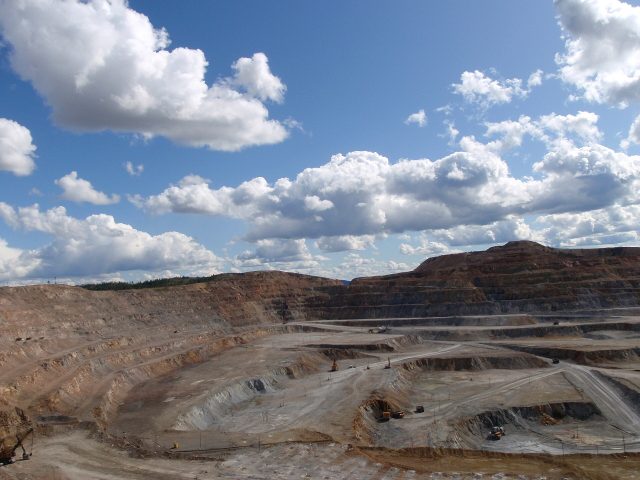
Erdenet doesn’t draw crowds. It’s a city built on copper mines, not postcards. But step into its market, and you’ll see the country as it is—not as it’s sold to tourists. Here, beneath frayed tarpaulins and the clatter of metal bowls, trade is more than exchange. It’s how people connect.
The market spills across a dusty lot, a tangle of stalls where grilled mutton sizzles beside pyramids of dried curds. Vendors shout prices in Mongolian, Russian, or broken Chinese, while shoppers thread through narrow gaps, their arms laden with felt boots or plastic bags of airag. Some arrive at sunrise; others stay until the last lantern flickers out. The clock doesn’t matter. What matters is the work of the day.
This isn’t a place for souvenirs. You won’t find miniature Genghis Khan statues or keychains shaped like yurts. Instead, there are goods built for survival: camel-wool coats thick enough to blunt the winter wind, knives with handles worn smooth by generations of use, and stacks of flatbread so dense it could double as a shield. But the market’s real purpose isn’t commerce. It’s the way an old woman greets her neighbor with a nod, or how a group of men linger over tea, debating the price of a lamb carcass like it’s the news of the week. It’s a village square disguised as a market.
The layout is haphazard. Long metal roofs offer scant shelter from rain or sun, but most of the action happens in the open air, where stalls press together in tight rows. The meat section anchors the market—hooks heavy with lamb, horse, or goat, sold by the kilo. Nearby, dairy vendors ladle airag into plastic bottles or slice wedges of hard cheese with a wire. Summer brings mounds of wild onions, berries, and potatoes; winter leaves only frozen carrots and sacks of dried mushrooms. For many here, this is the only place to buy fresh food.
Prices aren’t fixed. A vendor might ask 5,000 tögrögs for a kilo of meat; a regular will counter with 3,500. The back-and-forth isn’t just about money—it’s a ritual. Sometimes it ends with laughter, sometimes with a handshake, sometimes with both parties walking away. Visitors often find it unnerving. But watch long enough, and you’ll see the pattern: every haggle is a conversation, every sale a small act of trust.
Look closer, and the market becomes a scrapbook of Mongolia’s past. An old man sells tarnished coins and silver rings, their origins unclear. Are they relics of the Qing dynasty, or fakes hammered out last week? It doesn’t matter. They’re a reminder that this land has always been a crossroads. Nearby, a craftsman displays a horsehair fiddle, its strings stretched tight, or a set of wooden tools used to build yurts. The past isn’t locked in a museum here. It’s for sale, or at least for show.
What stays with you isn’t the chaos or the smells—though both are strong. It’s the way the market refuses to perform. There are no photo ops, no guided tours. Just people buying flour, arguing over prices, or sharing a meal on a wooden bench. It’s not glamorous. But it’s real. And in a country where tourism often smooths away the edges, that’s rare.