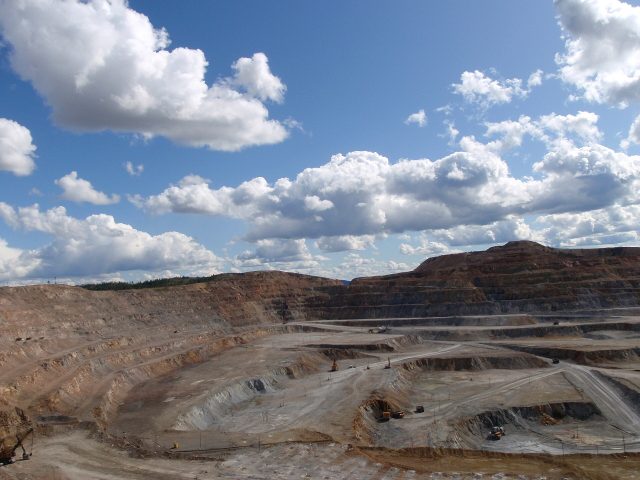
Erdenet’s Culture and Recreation Park is the kind of place that doesn’t announce itself at first glance. Instead, it quietly reveals its character over time. The city itself isn’t what most people imagine when they think of Mongolia—no ancient monasteries, endless steppes, or nomadic yurts dotting the horizon. Erdenet is a mining town, built in the mid-20th century around one of the world’s largest copper deposits. It’s a place shaped by industry, where the park stands as a small but meaningful attempt to preserve a piece of nature amid the machinery and concrete.
The park isn’t large, but it’s well-kept. Paved walkways wind between benches, and the trees, though younger than those in Ulaanbaatar’s older parks, have grown enough to offer shade on hot summer days. There’s nothing exotic here—just the familiar poplars, birches, and shrubs that thrive in Mongolia’s climate. The design is simple, practical, and clearly made with care. In the warmer months, the park comes alive: children chase each other along the paths, parents sit on benches watching them, and older residents play chess or take leisurely strolls, enjoying the cool air.
A small pond sits at the heart of the park, its shallow waters reflecting the trees above. In summer, ducks glide across the surface, and occasionally, swans are brought in to add a touch of elegance. A low railing runs along the edge, a favorite spot for wedding photos and tourist snapshots. When winter arrives, the pond freezes over, and locals turn it into an impromptu skating rink. There’s no official skate rental, but that doesn’t stop families and teenagers from bringing their own blades and turning the ice into a gathering place.
The park’s architecture is unassuming, but it carries the marks of the city’s Soviet-era past. A central avenue leads to a small square with a modest fountain, which is lit up on holidays. The fountain isn’t grand—just a few streams of water—but in the evening, when the lights come on, it creates a peaceful atmosphere. Nearby stands a monument to the miners who built Erdenet. It’s not a towering sculpture, just a humble tribute: figures of workers in overalls, tools in hand, a quiet acknowledgment of the people who shaped the city.
Beyond being a place to walk, the park serves as a cultural hub. Throughout the year, it hosts city events—concerts, festivals, and exhibitions. In summer, local musicians perform on a small stage, playing the morin khuur or singing traditional songs. Winter brings celebrations for the New Year and Tsagaan Sar, Mongolia’s lunar New Year. During these times, the park transforms: strings of lights hang from the trees, stalls sell food, and the air fills with the scent of grilled meat and tea.
For many in Erdenet, the park is woven into daily life. It’s where couples meet, families bring their children, and friends gather. On weekends, entire households come here—some with grills, others with just a thermos of tea and a bag of cookies. Under the trees, hours can pass almost unnoticed. The park doesn’t offer constant entertainment, and that’s part of its charm. It’s a place to simply exist, to step away from the noise of the city and slow down.
The park is also tied to Erdenet’s history. The city was founded in 1974 as a settlement for workers at the copper-molybdenum plant, and the park was one of the first public spaces created for them. In those early years, trees were planted, paths were laid, and pavilions were built. Many of the people who moved here then still live in Erdenet, and for them, the park is more than just a place to relax—it’s a living memory of the city’s beginnings.
Today, the park remains one of the few green spaces in Erdenet where you can feel a connection to nature. There’s no luxury or spectacle here, just the quiet, steady presence of trees, water, and open sky. For visitors, it might seem ordinary, but for locals, it’s a vital part of their lives—a place to sit on a bench, watch the pond, and let their thoughts wander. That, in the end, is what makes it special.