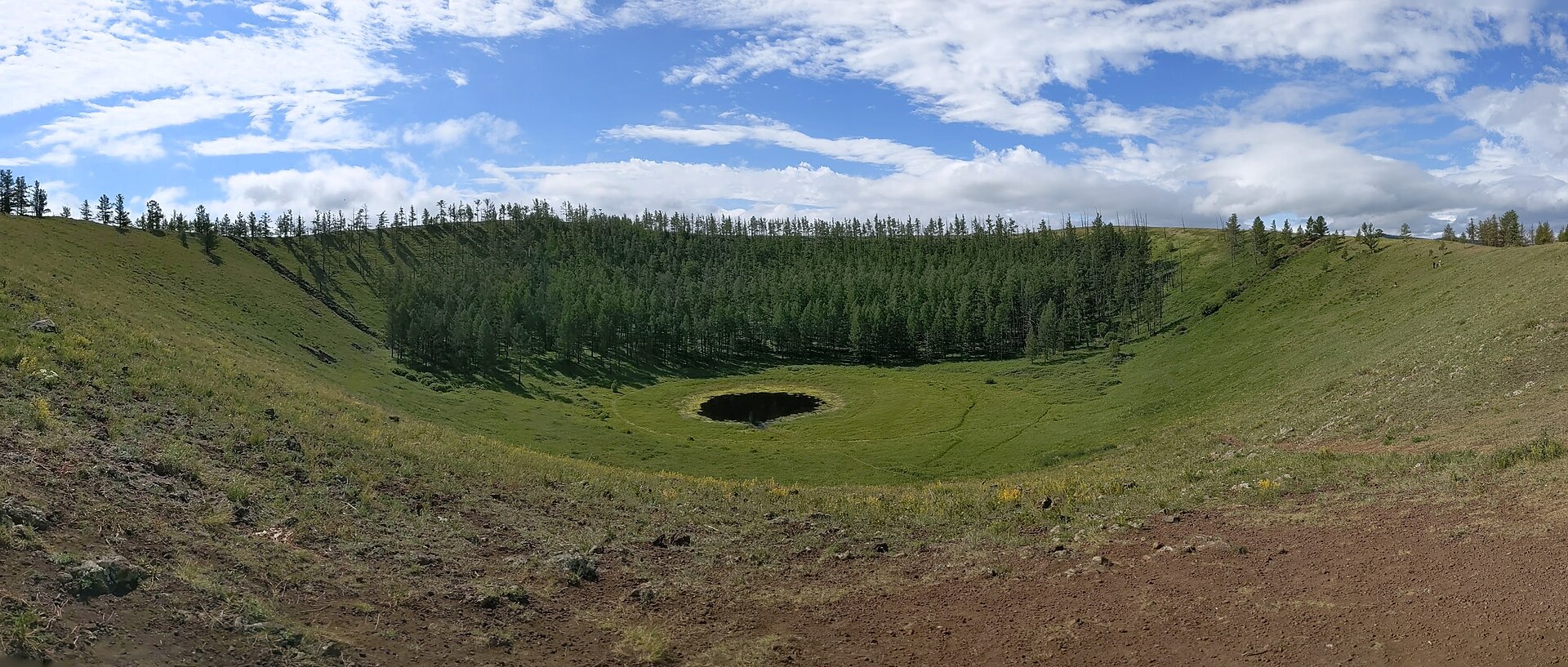
Uran Togoo Tulga Uul is one of Mongolia’s quiet surprises—a place where the country sheds its familiar steppe landscapes and reveals something far more dramatic. This extinct volcano rises in the northern part of the country, not far from the city of Erdenet, its name translating roughly to "Mountain of Three Peaks." Locals often shorten it to Uran Togoo, and while it doesn’t draw crowds, it offers something rarer: a sense of untouched stillness, as if the land has barely changed since the last eruptions shaped it thousands of years ago.
The volcano formed around twenty thousand years ago, and its crater remains remarkably intact. Stretching about a kilometer and a half across and plunging a hundred meters deep, the caldera holds a small lake that shifts in color with the seasons. In spring and autumn, the water is clear, reflecting the sky like glass, while in winter, it freezes into a smooth, mirror-like surface. Three main peaks encircle the crater, the tallest reaching nearly thirteen hundred meters above sea level. The climb isn’t technical, but it’s no leisurely stroll either—loose rocks and steep sections demand steady footing, and the wind at the top can be sharp even in summer.
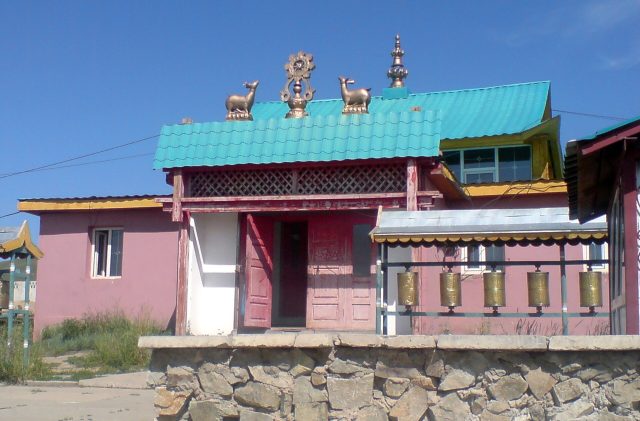
What makes Uran Togoo special isn’t just its geology, but the way it feels. On clear days, the view from the summit stretches across valleys and distant mountain ranges, a vast expanse that makes it easy to imagine the forces that once shaped this land. For centuries, the mountain has held spiritual significance. Local herders and nomadic families still treat it with reverence, leaving small stone cairns—*obo*—as offerings to the spirits of the place. Legends say shamans once performed rituals here, and later, Buddhist monks established hermitages in the surrounding hills. Even now, the mountain carries a sense of quiet sanctity, as if the past lingers in the wind that sweeps across its slopes.
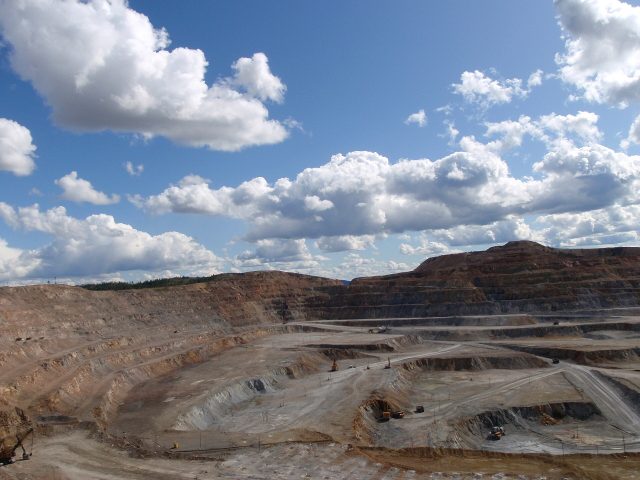
Reaching Uran Togoo starts in Erdenet, Mongolia’s second-largest city. The drive takes about an hour and a half, winding through rolling grasslands where herds of sheep and yaks graze, and the occasional ger camp dots the horizon. The road is mostly unpaved, especially as you near the mountain, so a sturdy vehicle is helpful. Along the way, small settlements offer a chance to stop for fresh dairy products—thick yogurt, salty cheese, or *airag*, the fermented mare’s milk that’s a staple of Mongolian life. These detours add to the journey, grounding it in the rhythms of the countryside rather than the rush of tourism.
The hike up begins at the base, where most visitors leave their cars. The trail zigzags through rocky outcrops and patches of low shrubs, the air growing cooler with each step. By the time you reach the rim, the wind is stronger, carrying the scent of dry grass and earth. Those who make the climb at dawn are rewarded with the sight of the crater bathed in golden light, the lake below shimmering like molten metal. In winter, the landscape takes on a stark beauty—snow dusts the slopes, and the frozen lake becomes a vast, unbroken sheet of ice, reflecting the pale winter sky.
Uran Togoo isn’t just a geological wonder; it’s a place deeply woven into the lives of those who live nearby. For many Mongolians, it’s tied to traditions that have endured for generations. Herders bring their livestock to graze on the surrounding pastures in summer, and families often visit for weekend picnics, spreading out blankets on the grass and sharing meals under the open sky. Nearby, ancient petroglyphs etched into rock faces depict scenes of hunting and nomadic life, a reminder that people have lived in these hills for millennia. The mountain has always been more than just a landmark—it’s a guidepost, a source of stories, and a place where the past feels close enough to touch.
Unlike many tourist destinations, Uran Togoo has no gift shops, no guided tours, and no crowds. What it offers instead is something harder to find: the chance to step away from the noise of modern life and into a landscape that feels almost timeless. For those used to busy attractions and packed itineraries, the quiet here might feel unsettling at first. But that’s part of its appeal. There’s no script to follow, no must-see sights—just the wind, the rocks, and the vast sky overhead. It’s the kind of place that doesn’t demand attention but rewards those who take the time to notice.
If you find yourself here, it’s worth lingering for a while. Pitching a tent at the base of the mountain and spending the night under the stars is one way to experience it fully. The darkness here is profound, the kind that makes the Milky Way seem close enough to touch. In the morning, the climb up to watch the sunrise feels like a ritual, the light slowly revealing the contours of the land. From there, the journey could continue in any direction—back to Erdenet, toward the hot springs further north, or deeper into the steppe, where the horizon stretches endlessly. Uran Togoo won’t be the story you tell everyone, but it might be the one you remember long after the details of other trips fade. It’s a place where time moves differently, where the land feels both ancient and alive, and where the silence is its own kind of language.