Erdenet exists because of copper. In northern Mongolia, where steppes meet low hills, it hosts one of Asia’s largest copper-molybdenum mining and processing plants. The operation defines the city—its economy, its skyline, even its daily rhythm. For those interested in industrial history or modern mining, the Erdenet Mining Corporation offers a different side of Mongolia, far from nomadic traditions and ancient monasteries.
The plant’s story started in the mid-20th century, when geologists found rich copper deposits here. By the 1970s, Mongolia was strengthening ties with the Soviet Union, leading to the decision to build a major mining complex. Engineers and workers arrived from across the Eastern Bloc. Roads were laid, and industrial buildings rose from the steppe. Alongside the plant, a new city emerged. Erdenet was built as its companion, and today it remains one of the few places in Mongolia where industry doesn’t clash with the vast countryside.
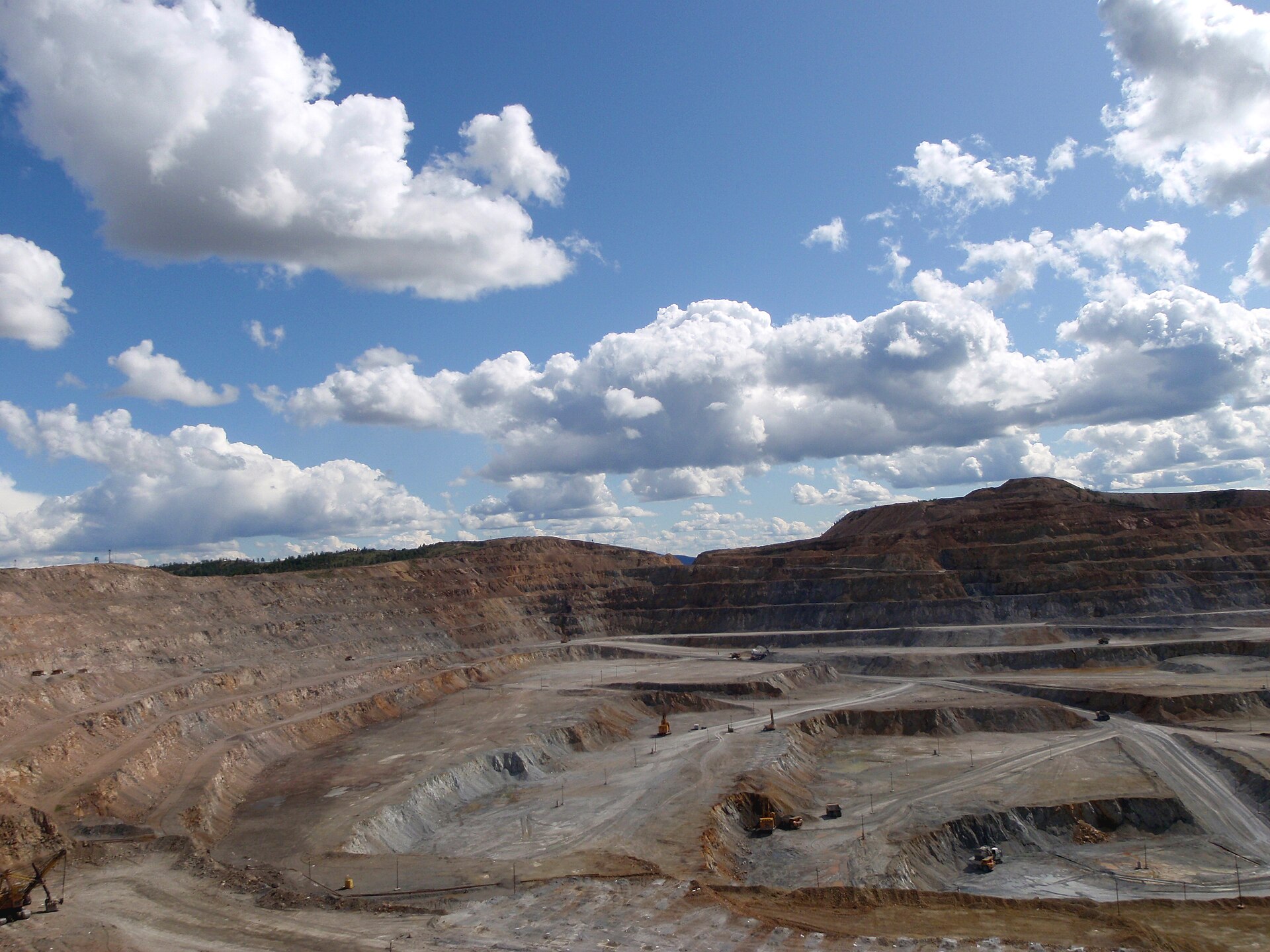
The complex covers several square kilometers. Ore is extracted and processed into copper and molybdenum, then shipped abroad. The plant runs nonstop, and from a distance, you can see steam and smoke rising from its facilities. For Mongolia, the mine is critical—copper makes up a large part of export revenue, and Erdenet is a cornerstone of the industry. Efforts to adopt cleaner technologies have been made, but large-scale mining still affects the environment.
Visiting the plant isn’t easy. It’s a working industrial site with strict safety rules and limited public access. Occasionally, tours are arranged for professionals, students, or foreign partners. Those who’ve been inside describe vast open-pit mines where excavators and haul trucks move earth, processing plants with heavy machinery, and labs testing the final product. It’s a rare look at industrial power in a country where herding and trade still dominate.
Erdenet moves to the plant’s rhythm. It’s quieter than Ulaanbaatar, with its own feel. The streets are wide, apartment blocks follow Soviet-era designs, and the city center has administrative buildings and cultural institutions from the mine’s peak years. Many locals work at the plant or in related jobs—maintaining equipment, handling logistics, or running businesses for the workforce. The city also has a technical university training future mining professionals.
The mine has shaped the region in ways you can’t always see. There’s a culture here where pride in the plant mixes with awareness of its challenges. Older residents remember Soviet-era stability—housing, schools, hospitals built by the mine. Today, it faces global market pressures and environmental regulations. Conversations in Erdenet often touch on how the plant has changed, how people arrived as young engineers and stayed, and how it adapts to new realities.
For travelers, the Erdenet Mining Corporation is part of Mongolia’s industrial story. No ancient temples or nomadic camps here—just evidence of how the country once used its natural resources to join the global economy. The landscape shows this history: tailings piles stretch for kilometers, open pits fill with water, and small settlements where retired workers watch the plant from afar.
Mongolia has talked about diversifying its economy, and Erdenet shows how hard that is. The mine is still a major employer and taxpayer, but its future depends on copper prices, environmental policies, and new industries. For the city, change will come slowly. Erdenet may branch out, or it may stay defined by its single, dominant enterprise.
If you visit Erdenet, don’t expect typical tourist attractions. There’s no grand spectacle, just the quiet reality of life in an industrial outpost surrounded by steppe. Walk the city’s streets, visit the local museum to learn about the mine’s history, or climb a nearby hill for a view of the complex. On clear days, the sight of open pits and processing plants makes it easy to see why, for many Mongolians, Erdenet isn’t just a place—it’s a symbol of an era.