Erdenet stands apart in Mongolia—a city built around one of the world’s largest copper-molybdenum deposits. No gilded stupas or endless grasslands here, just mines, quarries, and a community shaped by industry. The Mining Museum offers a look at how metal is extracted from the Mongolian earth, processed, and shipped worldwide to become part of wires, pipes, and machinery.
The museum opened in the 1980s, when Erdenet was a closed industrial hub, accessible only with special permits. The city rose from the steppe in stages: first temporary barracks for workers, then apartment blocks, schools, and hospitals. The museum preserves the era when Mongolia bet its future on mining, and Erdenet became a key economic center. Its exhibits tell the stories of geologists, engineers, and laborers who built the city through their tools, documents, and personal belongings.
The building is unassuming—a typical Soviet-era structure. Inside, the space guides visitors through the history of copper mining in Mongolia. The journey starts with geology: samples of ore, minerals, and rock formations from the region. Some pieces are rare, like large molybdenite crystals or native copper nuggets. Nearby, models of open-pit quarries and underground tunnels show how mining techniques have changed over time.
The museum dedicates much of its space to the people behind the industry. Photographs show miners in tunnels, engineers over blueprints, and lab technicians testing ore. Display cases hold workwear, tools, and miners’ lamps from different eras. A memorial section honors those who died on the job, a reminder that Erdenet’s mines are as much about human endurance as they are about economics.
Another hall focuses on the Erdenet Mining Corporation’s current operations. Visitors learn about modern extraction and processing methods, including efforts to reduce environmental impact. The company is one of Mongolia’s major exporters, shipping copper and molybdenum to China, Russia, and beyond. Interactive displays, like a model of the processing plant, show how ore is crushed, refined, and dried into concentrate. It’s a chance to see how a resource from the steppe ends up in electronics and automotive parts.
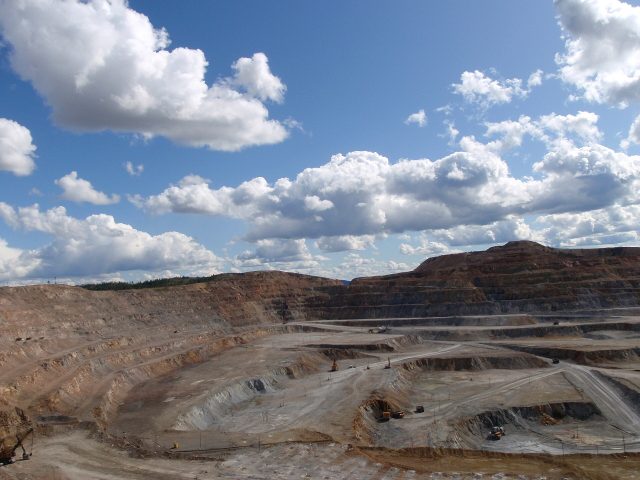
The museum addresses the environmental consequences of mining. Open-pit quarries, waste rock piles, and tailings ponds have reshaped the landscape. Exhibits explain land rehabilitation, wastewater treatment, and cleaner technologies. Photographs show reclaimed areas where trees and grasses have been planted.
What stays with visitors is the sense of place. The museum isn’t just artifacts—it’s a record of the city and its people. School groups visit, learning local history. Retired miners bring grandchildren, pointing to old photographs. Geologists and engineers sometimes give talks, sharing their experiences.
Erdenet offers a different side of Mongolia. Most travelers seek steppes, nomads, and monasteries, but here, tradition meets modernity. The city’s mines symbolize Mongolia’s struggle to balance development with environmental care. The museum isn’t just about the past; it hints at a future where mining might become safer and more sustainable.
If you’re in Erdenet, the museum is worth a visit. No postcard-perfect sights here—just the reality of labor, industry, and the land. You might spend an hour wandering the halls, reading displays, or listening to a guide. Outside, the quarries and ore trucks remind you that the stories inside are still being written.