- Home
- Montenegro
- Budva

Budva
Montenegro · 8 places
Photo: DinoMNE, CC BY-SA 3.0
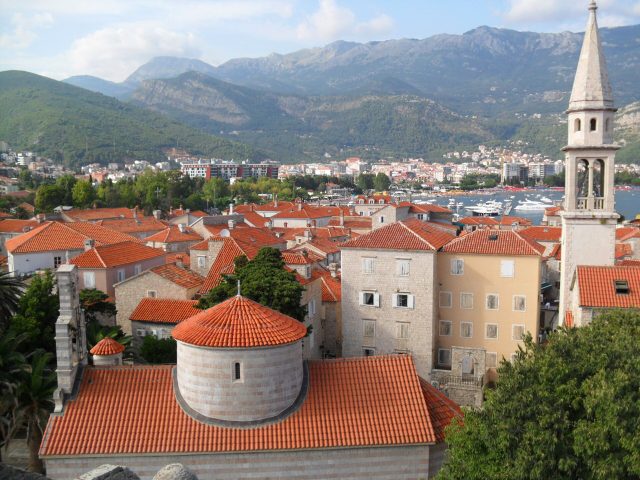
Budva clings to a narrow strip of coast where the Adriatic laps against Montenegro’s mountains. Pastel houses with terracotta roofs teeter above the water, their foundations etched with centuries of salt and sun. The town doesn’t just sit—it endures. Cobblestones bear the grooves of countless footsteps, fortress walls stand despite the weight of time, and laundry still dries in hidden courtyards, tugged by the breeze.
By night, the town transforms. Glasses clink in open-air bars, conversations spill from seaside tavernas, and the air carries the scent of grilled squid and rosemary. The Old Town, a labyrinth of alleys, reveals itself slowly. One turn leads to a quiet square, another to a café where espresso arrives strong and wine flows without pretense. Venetian walls, worn smooth by time, still stand. In summer, crowds gather to photograph arched doorways and bargain over handwoven textiles, but step off the main paths, and the noise fades. Only the waves lapping against the fortress and the distant notes of an accordion remain.
The beaches here aren’t vast. They’re carved into the coastline, small and intimate. Clear water shifts from turquoise to deep blue, and rocky outcrops break the wind. Mogren Beach, hidden between cliffs and reached through a tunnel, is the most famous. Its pebbled shore slopes into water so transparent you can watch fish dart below. Mornings bring kayaks and paddleboards to the bay; those who seek solitude can follow coastal paths to inlets where pine trees dip their branches into the sea. By evening, the beaches empty, and the promenade glows with restaurant lanterns and the murmur of late-night diners.
Beyond Budva, Montenegro stretches wild and untamed. From here, you can reach the misty peaks of Lovćen National Park, the medieval streets of Kotor, or Lake Skadar, where pelicans glide over the water. But many never leave the coast. The rhythm here is different—breakfasting on figs plucked from a tree, wandering the promenade as the sun sets, listening to waves crash against the rocks. Budva doesn’t demand attention. It doesn’t need to. The sea is always close, time moves slower, and history and modernity exist side by side, unforced.
See & Do
8 places


Places on the map
Marker colour follows the categoryClimate and weather
Detailed weather: Budva- Average temperature
- 18 °C
- Precipitation per year
- 1362 mm
Average air temperature
°C
10
11
13
16
20
25
27
27
23
19
15
12
Jan
Feb
Mar
Apr
May
Jun
Jul
Aug
Sep
Oct
Nov
Dec