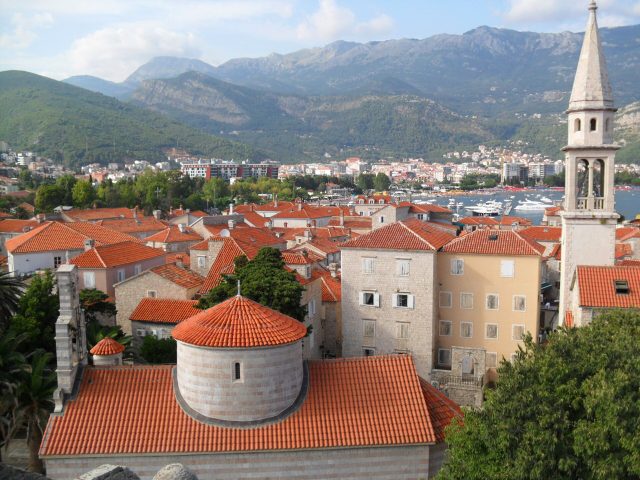
The Budva City Museum is one of those quiet places where history doesn’t just sit behind glass—it breathes. Tucked inside an old building in the heart of the Old Town, it feels less like a formal institution and more like a conversation with the past. The museum doesn’t overwhelm with grandeur or flashy displays; instead, it offers something far more valuable: authenticity. Here, every object, from ancient coins to early 20th-century photographs, tells a story without pretension. There are no dramatic reconstructions or over-the-top narratives—just the steady accumulation of time, laid out with care.
The building itself is part of the experience. Its thick stone walls, wooden beams, and narrow windows are classic examples of Mediterranean architecture, the kind that has stood in this region for centuries. Inside, the space is uncluttered, almost intimate. The exhibits are arranged thoughtfully, giving visitors room to linger over details. One of the most compelling sections holds archaeological finds from Budva and its surroundings—fragments of Greek and Roman pottery, jewelry, and everyday tools that remind you this place was inhabited long before it became a tourist destination. These objects don’t just belong to history; they belong to the land itself.
Budva’s past stretches back over two and a half millennia, and the museum does its best to trace that long, layered story. The city has been many things: a Greek colony, a Roman settlement, a Byzantine outpost, a Venetian fortress, an Ottoman holding, and eventually part of modern Montenegro. Each era left its mark, and the museum gathers them like pieces of a puzzle. In one room, you’ll find documents from the Venetian period, when Budva—then called Budua—was a key port on the trade routes between East and West. Nearby, old maps show the city’s shifting borders, its name rendered in Italian script. It’s a small but telling detail, a reminder of how deeply this place has been shaped by outside influences.
The medieval period holds a special place in the museum’s narrative. This was the time when Budva was part of Zeta, one of the earliest Serbian states, and the city began to take the fortified shape we see today. The museum displays weapons, armor, and religious artifacts from this era, including icons and fresco fragments recovered from local churches. These pieces speak to the skill of the region’s artists and the importance of Budva as a religious center. The walls of the Old Town, still standing after centuries, were built during this time—a testament to the city’s strategic significance.
The 20th century brought a different kind of transformation. Budva shifted from a quiet fishing village to a bustling resort, and the museum captures this transition through photographs and everyday objects. Early images show a town untouched by tourism: narrow streets, stone houses, boats bobbing in the harbor. Later photos depict the Yugoslavia era, when Budva became a favored holiday spot for people across the country. The contrast is striking—between the simplicity of the past and the growing influence of tourism. The museum also displays household items, clothing, and even old postcards sent by visitors, offering a glimpse into how life here has changed over the decades.
But the museum isn’t just about Budva. It also explores the broader culture of Montenegro’s coastal region, where traditions have long been tied to the sea. One exhibit features traditional costumes, musical instruments, and tools used in local crafts. There are models of fishing boats, nets, and navigational instruments—reminders of how deeply the sea has shaped life here. For generations, the Adriatic wasn’t just a backdrop; it was a way of life, a source of livelihood and identity. These objects bring that connection to life in a way that feels immediate, almost tangible.
What makes the Budva City Museum special is its lack of pretension. There are no crowds here, no rush to snap the perfect photo. Instead, there’s a quiet rhythm, a chance to absorb what you’re seeing without distraction. Each room feels like a chapter in a book, one you can revisit if something catches your eye. That sense of calm is rare in the Old Town, where the past and present often collide—ancient walls standing beside modern cafes, history brushing up against the hustle of daily life.
This isn’t a museum that will dazzle you with size or spectacle. It doesn’t need to. What it offers instead is something far more meaningful: a chance to see Budva not just as a holiday destination, but as a place with depth and history. The exhibits are modest, but they’re real—carefully preserved and presented so that visitors can form their own understanding of the city’s past. For anyone who wants to look beyond the beaches and nightlife, the museum is a perfect starting point. And afterward, a walk through the Old Town takes on a new dimension. The stones underfoot, the walls around you, even the sea breeze—suddenly, they’re all part of a story that began long before the first tourists arrived.