Poets’ Square in Budva is one of those places where the past and present blend so seamlessly that you barely notice the shift. Tucked within the labyrinth of the Old Town, it sits just steps away from the sea and the ancient fortress walls, yet it feels worlds apart from the bustling waterfront. There’s no tourist frenzy here, no crowds jostling for space—just the quiet hum of everyday life. Locals and visitors alike gather at café tables, stroll under the shade of old buildings, or pause to catch their breath. The square’s name isn’t just decorative; it reflects Budva’s long-standing reverence for literature and art, a tradition woven into the fabric of the city.
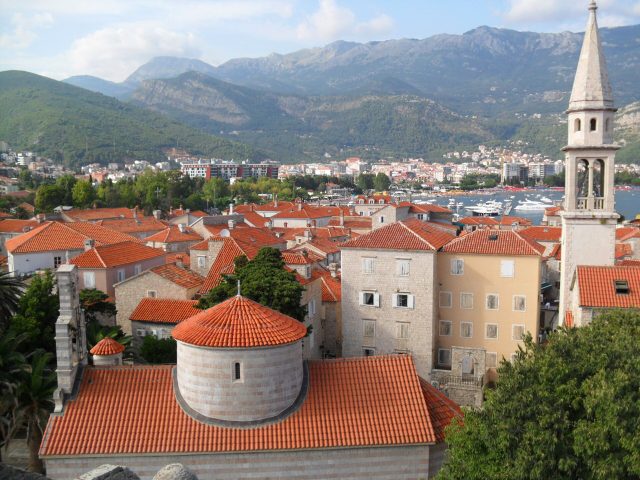
The architecture here is understated but striking. The surrounding buildings, with their terracotta roofs, pale facades, and wooden shutters, are classic Mediterranean—low-slung, unassuming, yet full of character. Many date back centuries, their stone walls patched and repaired over time, their surfaces softened by the sun and salt air. Some still bear traces of their medieval origins, though most have been reshaped by generations of owners. The local limestone, warm and weathered, glows in the late afternoon light, giving the square an almost golden hue. A few buildings even display faded coats of arms or inscriptions, remnants of Budva’s time under Venetian rule.
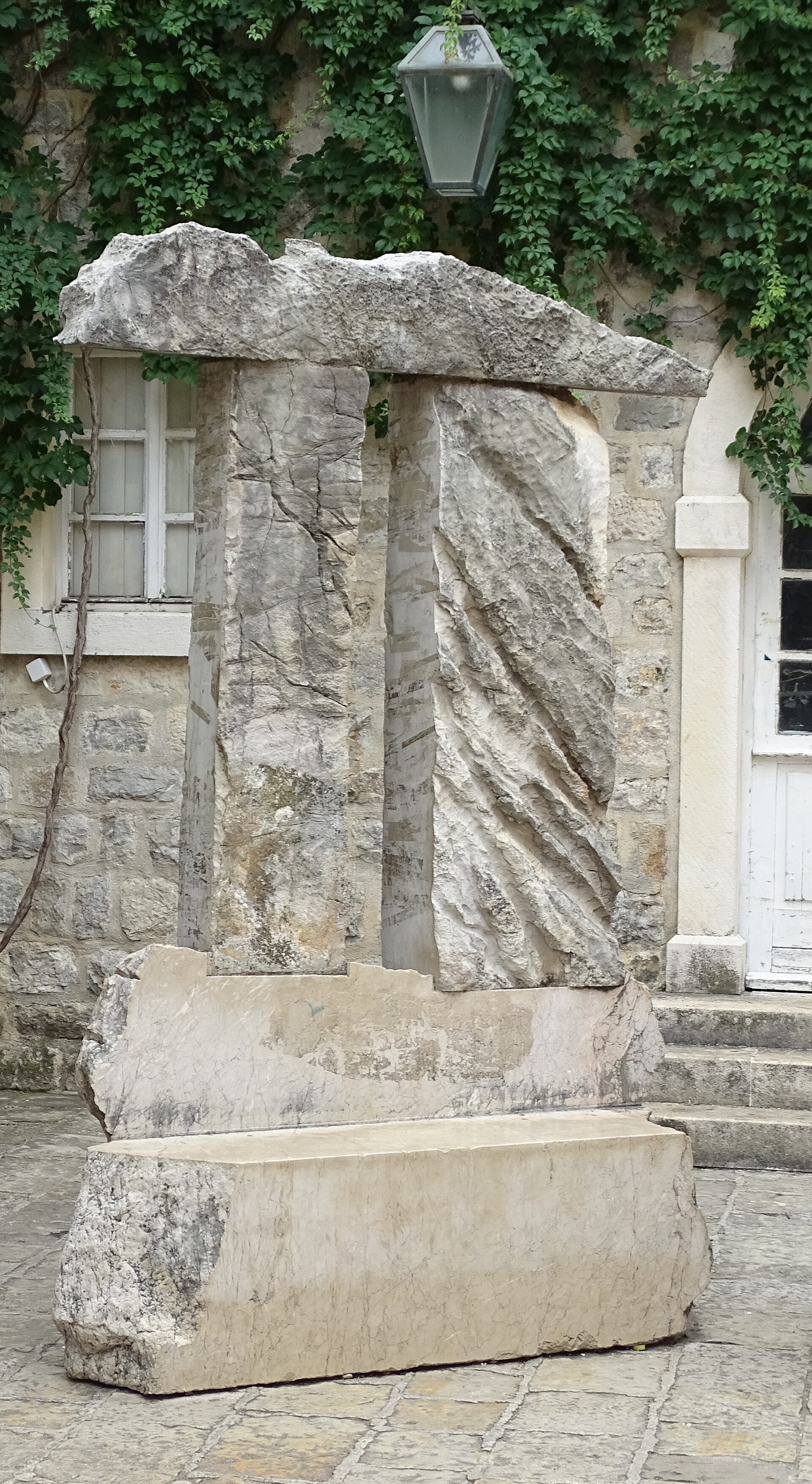
At the heart of the square stands a modest monument, the reason for its name. Unlike grand statues or towering sculptures, this is a quiet tribute to the written word. A simple stone pedestal bears the names of Montenegrin and Yugoslav poets who left their mark on the region, including Petar II Petrović Njegoš, the national hero and author of *The Mountain Wreath*. The monument doesn’t demand attention, but those who linger will find themselves drawn to its inscriptions, a reminder of the voices that once shaped this place.
Poets’ Square isn’t just a pretty corner of the Old Town—it’s a living cultural space. In the summer, it transforms into an open-air stage for small concerts, poetry readings, and art exhibitions. Musicians sometimes set up near the cafés, playing traditional Montenegrin melodies or Mediterranean tunes that drift through the warm air. When winter arrives, the square slows down, but its charm only deepens. The cafés serve steaming coffee or mulled wine, and locals gather on benches under old-fashioned lampposts, their conversations blending with the murmur of the city.
The square hasn’t always looked the way it does today. Centuries ago, this was the site of a bustling medieval market, where fishermen, farmers, and merchants traded everything from fresh catch to olive oil and wine. Later, under Venetian rule, the first stone houses of the nobility began to appear. A devastating earthquake in the 19th century forced many buildings to be rebuilt, yet the square retained its essence. Walking here now, you can almost sense the layers of history—from the haggling of medieval traders to the quiet footsteps of modern-day visitors.
What makes Poets’ Square special are the small details that might otherwise go unnoticed. The antique streetlamps that cast a soft glow in the evenings. The stone benches built into the walls, worn smooth by time. The way the square feels suspended between the past and present, untouched by the frantic pace of tourist hotspots. It’s a place that invites you to slow down, to listen to the rhythm of the city, and to imagine the countless stories these old stones could tell.
For many travelers, Poets’ Square becomes one of Budva’s most memorable spots—not because it’s grand or imposing, but because of its quiet warmth. There’s no need to rush here. You can spend an hour watching life unfold, or simply sit and soak in the atmosphere away from the crowded beaches. If you’re lucky, you might stumble upon an impromptu performance or meet an artist sketching the old streets. Either way, the square leaves you with the sense that Budva isn’t just a dot on a map, but a place with a soul all its own.