- Home
- Montenegro
- Kotor

Kotor
Montenegro · 9 places
Photo: Островский Александр, Киев, CC BY-SA 3.0
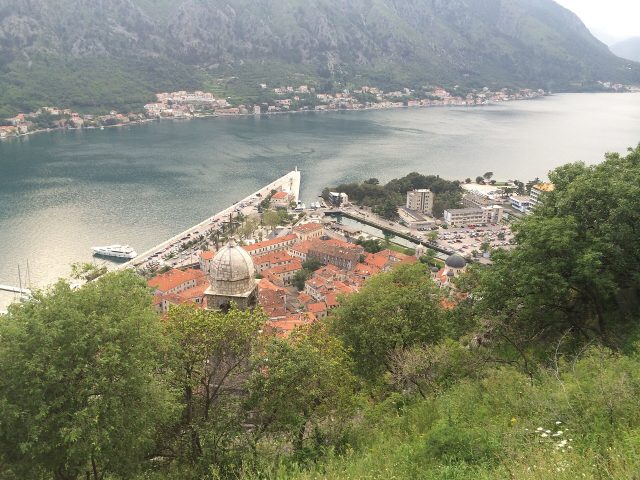
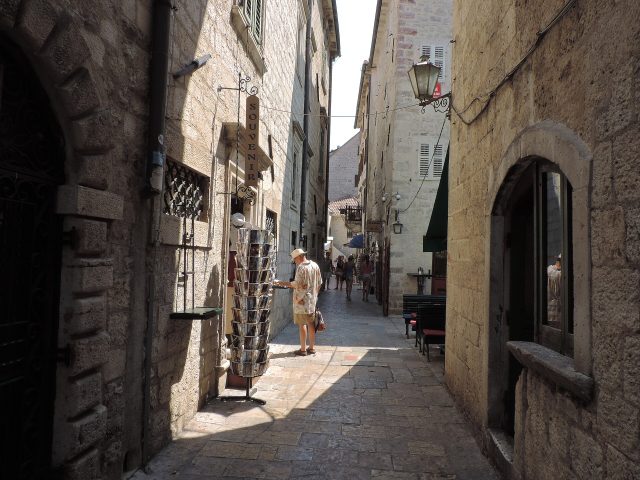
Kotor feels like a place where the past hasn’t just lingered—it’s still very much alive. The old town, a maze of narrow stone streets climbing the mountainside, is framed by fortress walls that have watched over the city for centuries. Every turn reveals something new: a sudden glimpse of the bay’s deep blue waters, the terracotta rooftops stacked like layers of history, or the imposing twin towers of St. Tryphon’s Cathedral rising above the skyline. The city is small, but it carries the weight of empires—Roman, Byzantine, Venetian—each leaving their mark in the worn cobblestones and weathered facades. There’s a sense that the stones themselves remember the merchants, sailors, and soldiers who once walked these same paths.
Walking through Kotor isn’t just sightseeing; it’s stepping into a rhythm that moves slower than the rest of the world. In the early morning, before the crowds arrive, the streets belong to the locals—heels clicking against the pavement, the scent of fresh coffee drifting from open windows. By midday, the city hums with life: street musicians play on sunlit squares, yachts glide into the harbor, and restaurants tucked into hidden courtyards serve seafood pulled from the bay that same morning. As evening falls, the old town transforms. Lanterns cast a warm glow over centuries-old buildings, and from the fortress walls, the bay shimmers with the lights of passing boats, turning the water into a mirror of the night sky.
The climb to St. John’s Fortress is the kind of effort that rewards you in ways you don’t expect. The path winds up the mountainside, a steady ascent of stone steps that takes about an hour, depending on how often you stop to catch your breath. But the view from the top makes it worth every step. Below, the entire city unfolds like a living map, its red roofs and labyrinthine streets bordered by the jagged coastline of the bay. The fortress walls, built and rebuilt over centuries, have seen countless battles, yet today they stand quiet, the only sound the wind whispering through the battlements. Down in the old town, life goes on—church bells ring, squares buzz with conversation, and somewhere, a hidden courtyard waits to be discovered.
Kotor isn’t just a place to visit; it’s a place to settle into. In the summer, the heat presses down, and the best refuge is under the shade of an olive tree or by the water’s edge. Winters are quieter, the streets nearly empty, the city wrapped in a hush that feels almost secret. Beyond the old town, there’s more to explore: sleepy fishing villages, pebbled beaches tucked between cliffs, and Lovćen National Park, where the mountain’s peak offers a sweeping view of the bay. But even if you never leave the city, Kotor has a way of making you want to stay. There’s no rush here, no sense of being just another tourist passing through. Instead, it feels like a place where time has paused, but life—real, unhurried life—goes on.
See & Do
All of them

Places on the map
Marker colour follows the categoryClimate and weather
Detailed weather: Kotor- Average temperature
- 16 °C
- Precipitation per year
- 0 mm
Average air temperature
°C
6
7
10
14
19
24
27
27
22
17
12
7
Jan
Feb
Mar
Apr
May
Jun
Jul
Aug
Sep
Oct
Nov
Dec


