Antequera
Spain · 8 places
Photo: Wikimedia Commons, CC BY-SA 3.0
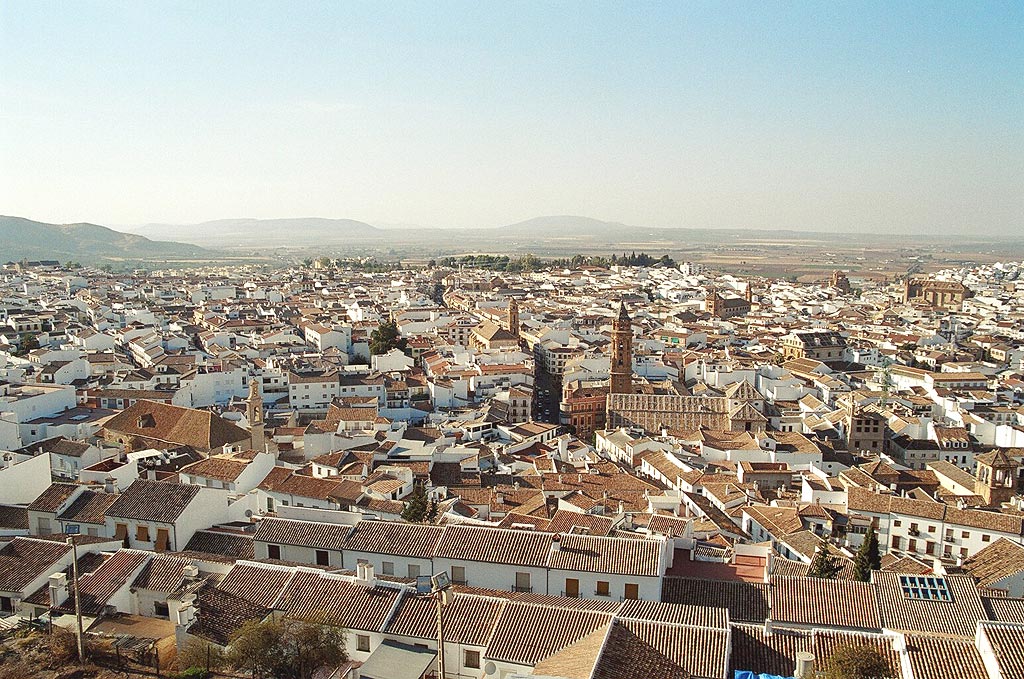
Antequera sits quietly in the heart of Andalusia, cradled by low mountains where the past lingers in every stone. Unlike the crowded coastal resorts, this town moves to its own unhurried rhythm—church bells echoing through narrow streets, the occasional clatter of hooves on cobblestones, the slow drift of golden light across whitewashed walls at dusk. There’s no rush here, just the kind of stillness that invites you to wander, to pause on a viewpoint and watch the red-tiled roofs glow as the sun sinks behind the hills.
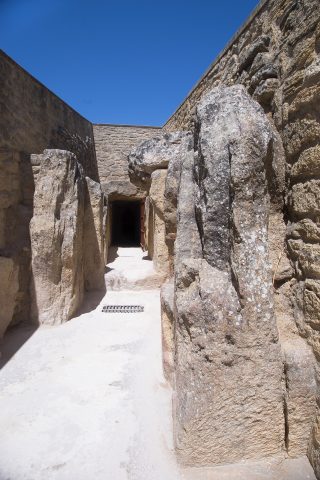
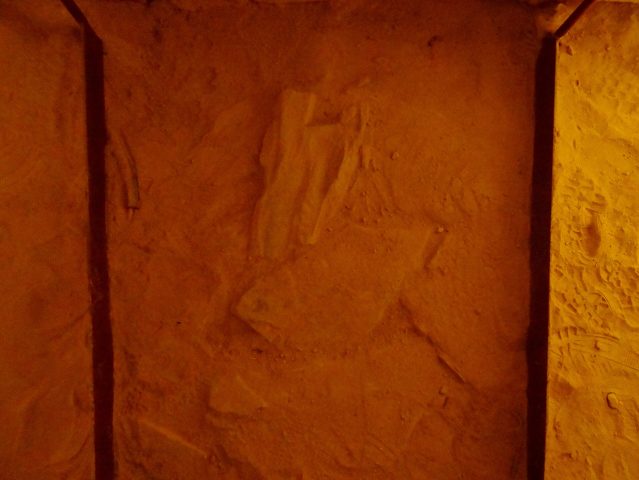
The land around Antequera has been inhabited for millennia, and the evidence is impossible to ignore. The dolmens of Menga, Viera, and El Romeral stand as silent witnesses to a civilization older than the pyramids of Egypt, their massive stones arranged with a precision that still baffles historians. The Romans knew this place as Antikaria, a thriving hub of trade, while the Moors later shaped it into a fortified stronghold, its labyrinth of alleys and crumbling walls hinting at a time when it was a crossroads of cultures. Even now, the old Arab quarter retains a distinct character, its atmosphere thick with the weight of centuries.
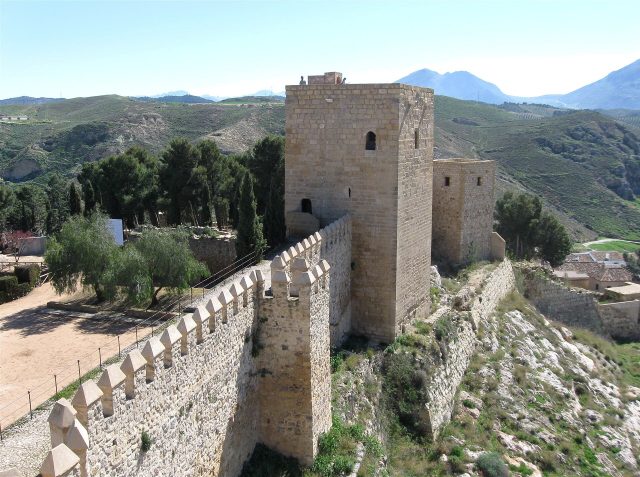
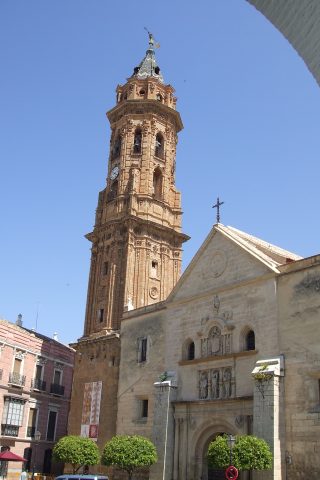
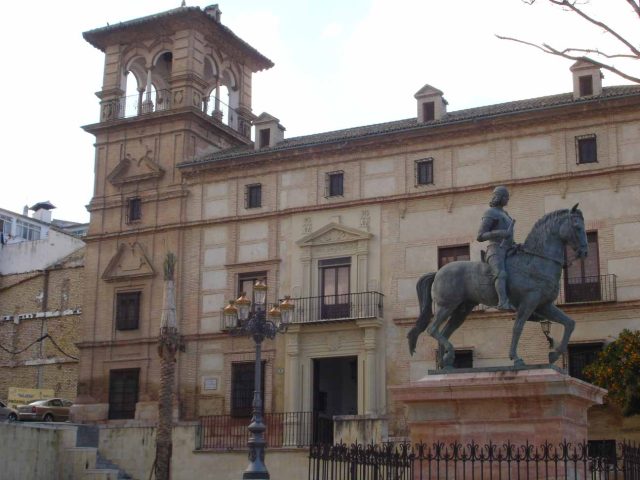
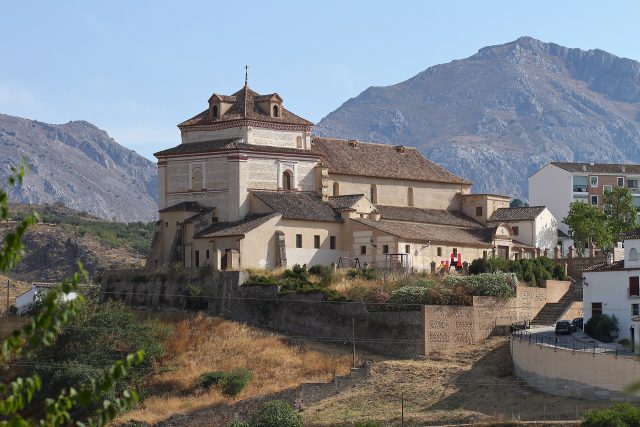
The town center unfolds like a series of connected stages, each square leading to the next through arches and stairways. Plaza de los Escuderos is the grandest of them, lined with Baroque and Renaissance palaces where Andalusian nobility once lived. The Church of Santa María la Mayor rises nearby, its facade adorned with coats of arms and saints, built atop the ruins of a mosque. Just beyond it, the Alcazaba fortress offers sweeping views over the valley, its ancient cisterns and underground passages a reminder of the ingenuity of those who once defended this place. The climb up the worn stone steps is worth it for the quiet reward of seeing the town spread out below.
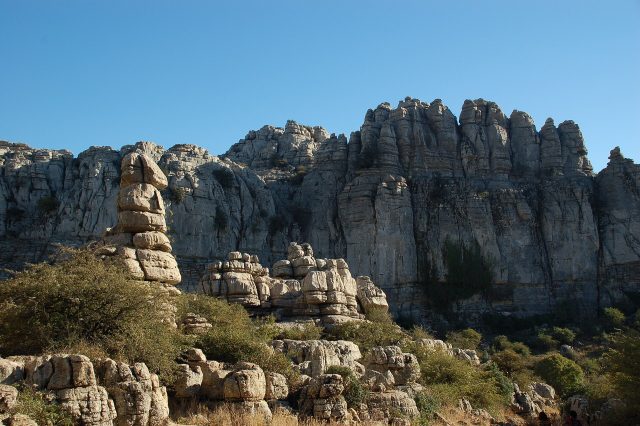
Life in Antequera is a study in contrasts. By day, the market buzzes with locals selling fresh produce and olives, old men gather to play dominoes in the shade, and cafés serve up classic Andalusian tapas. But step outside the town, and the landscape shifts dramatically. The surrounding countryside is wild and untamed, a place where you can wander for hours without seeing another soul, save for the occasional herd of grazing cows. The El Torcal nature reserve is particularly striking, its jagged limestone formations rising like the ruins of some forgotten city. The locals simply call them *piedras*—stones—and spin tales of how they came to be, their origins lost to time.
For all its understated charm, Antequera is more than just a stopover between Málaga and Seville. It’s a place where Andalusia reveals itself in its most authentic form—unpolished, unhurried, and free from the usual tourist crowds. There are no luxury resorts or flashy attractions here, just small guesthouses tucked into historic mansions, where breakfast might include homemade bread and olive oil pressed from nearby groves. The town doesn’t try to impress; it simply exists, and that’s precisely why it lingers in the memory long after you’ve left. For those weary of well-trodden paths, Antequera offers something rare: a sense of discovery, as if you’ve stumbled upon a secret the rest of the world hasn’t yet noticed.
See & Do
8 places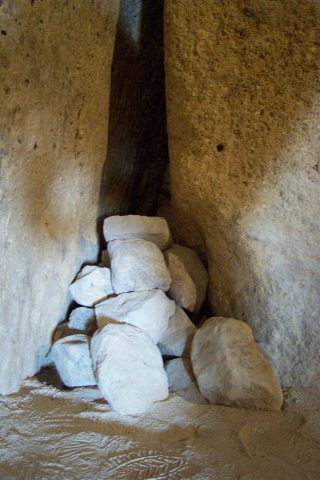
Places on the map
Marker colour follows the categoryClimate and weather
Detailed weather: Antequera- Average temperature
- 17 °C
- Precipitation per year
- 333 mm
- Sunshine hours per day
- 9 h
Average air temperature
°C
7
9
11
15
19
24
28
27
22
18
11
8
Jan
Feb
Mar
Apr
May
Jun
Jul
Aug
Sep
Oct
Nov
Dec