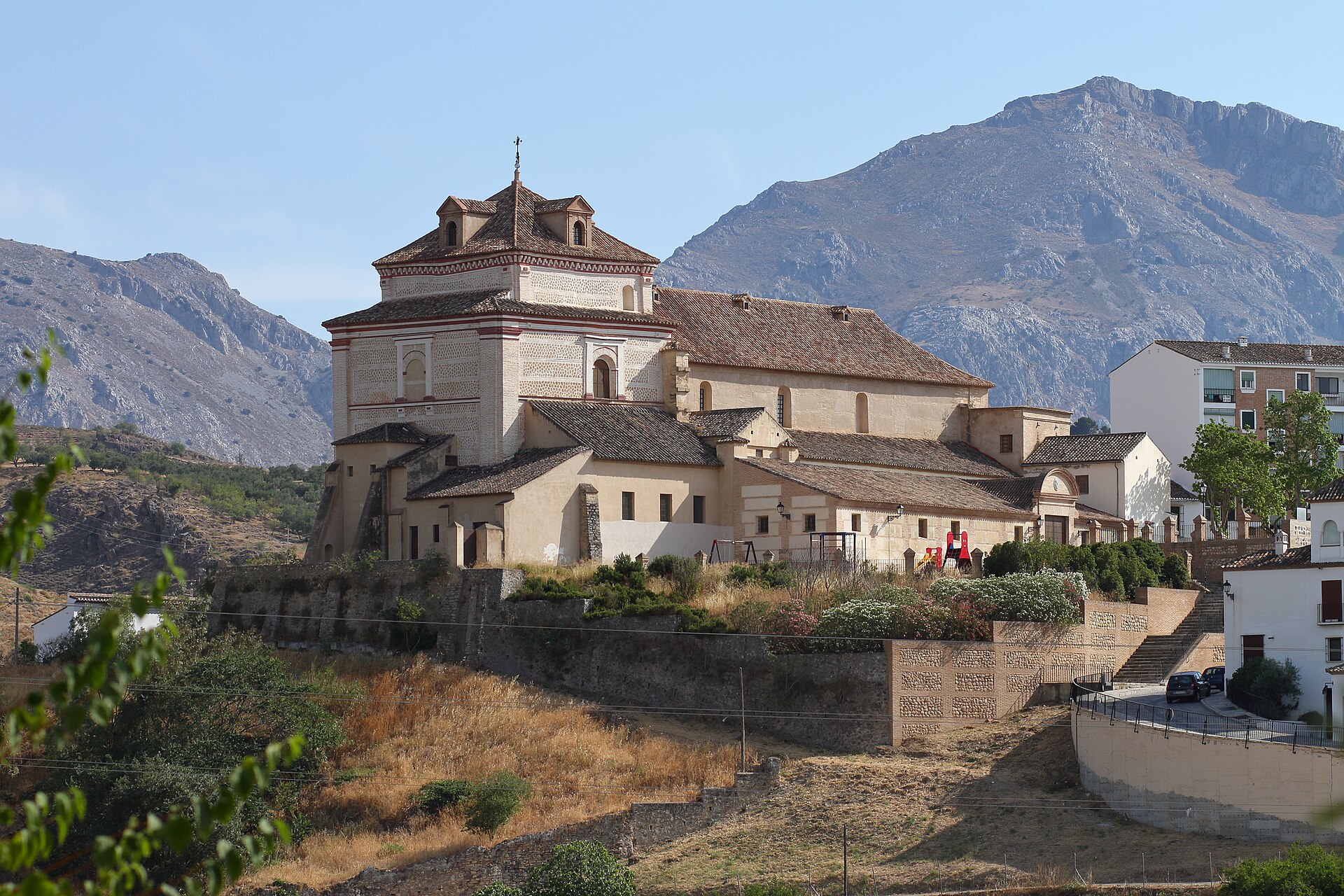
Antequera’s Church of Carmen is the kind of place that doesn’t announce itself with fanfare but lingers in memory long after you’ve left. Tucked away on a quiet square in the old town, it stands apart from the more crowded tourist routes, its whitewashed walls and modest Baroque facade exuding a quiet dignity. The wrought-iron cross atop the bell tower catches the light in the late afternoon, and the whole scene feels suspended in time, as if the centuries have settled here like dust on an old book.
The church’s origins trace back to 1583, when Antequera was flourishing as a center of trade and craftsmanship. Construction stretched over decades, and by the time the building was completed in the mid-17th century, Andalusia’s architectural tastes had shifted. The result is a blend of late Renaissance restraint and Baroque flourish, most evident in the portal, where slender columns give way to intricate floral carvings. It’s a subtle transition, one that speaks to the slow evolution of the city itself.
Inside, the church doesn’t overwhelm with opulence but impresses with its sense of space. High vaulted ceilings rest on sturdy columns, and the light filtering through the stained glass casts a warm, muted glow over the stone. The main altarpiece, gilded and ornate, is a fine example of Baroque craftsmanship, with the figure of Our Lady of Mount Carmel at its center. Though she’s traditionally the patron saint of sailors, in landlocked Antequera her devotion is tied more to the monastic orders that once thrived here. The quiet reverence of the place feels less about grand spectacle and more about daily faith.
One of the church’s most striking features is the Chapel of the Holy Sacrament, home to the Cristo de Antequera, an 18th-century wooden sculpture renowned for its emotional intensity. The figure of Christ, painted with striking realism, conveys both suffering and serenity, its details so vivid you can almost feel the weight of the moment it depicts. During Holy Week, the statue is carried through the streets in procession, drawing crowds of locals and visitors alike. For a few days each year, the church becomes the heart of the city’s religious life, its doors thrown open to the rhythms of tradition.
Yet the Church of Carmen isn’t just a relic of the past. It’s a living part of Antequera, hosting everything from classical music concerts to small art exhibitions. On summer evenings, when the Andalusian heat still lingers, the cool interior offers respite, and you might find people sitting quietly in the pews, escaping the sun. The church’s role in the community is understated but constant, a place where history and modern life overlap without fuss.
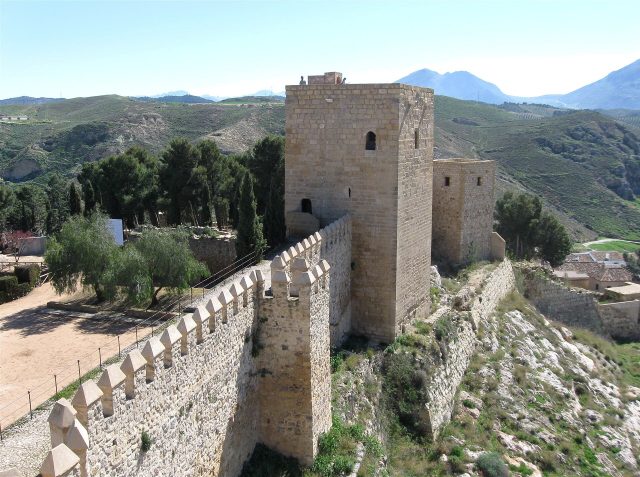
Antequera itself feels like a city paused in time. Unlike Seville or Granada, it doesn’t draw crowds of tourists, and that’s part of its charm. The streets are narrow and winding, lined with whitewashed houses and the occasional orange tree. The Church of Carmen fits seamlessly into this landscape, its presence as natural as the old men playing dominoes in the square outside. Walk down Calle Carrera toward the Alcazaba fortress, and you’ll see the city unfold—from the tight clusters of the historic center to the open vistas of the surrounding hills.
For those curious about Antequera’s history, the church is a good starting point. Nearby, the Monastery of La Trinidad houses an impressive collection of religious art, while the Church of Santa María, one of the oldest in the city, offers another glimpse into the past. But you don’t need to visit them all to appreciate the Church of Carmen. Sometimes it’s enough to sit on a bench in the square, watching the slow pace of life around you—the way the light shifts on the stone, the distant chime of the bells, the quiet conversations of locals.
There’s nothing flashy about the Church of Carmen. Its beauty isn’t immediate but reveals itself slowly, like a story that deepens with each telling. That might be why it feels so deeply rooted in the life of Antequera. It doesn’t demand attention; it simply endures, a quiet witness to the passage of time. In a region known for its grand cathedrals and palaces, this unassuming church reminds you that history often lives in the places that don’t try too hard to be remembered.