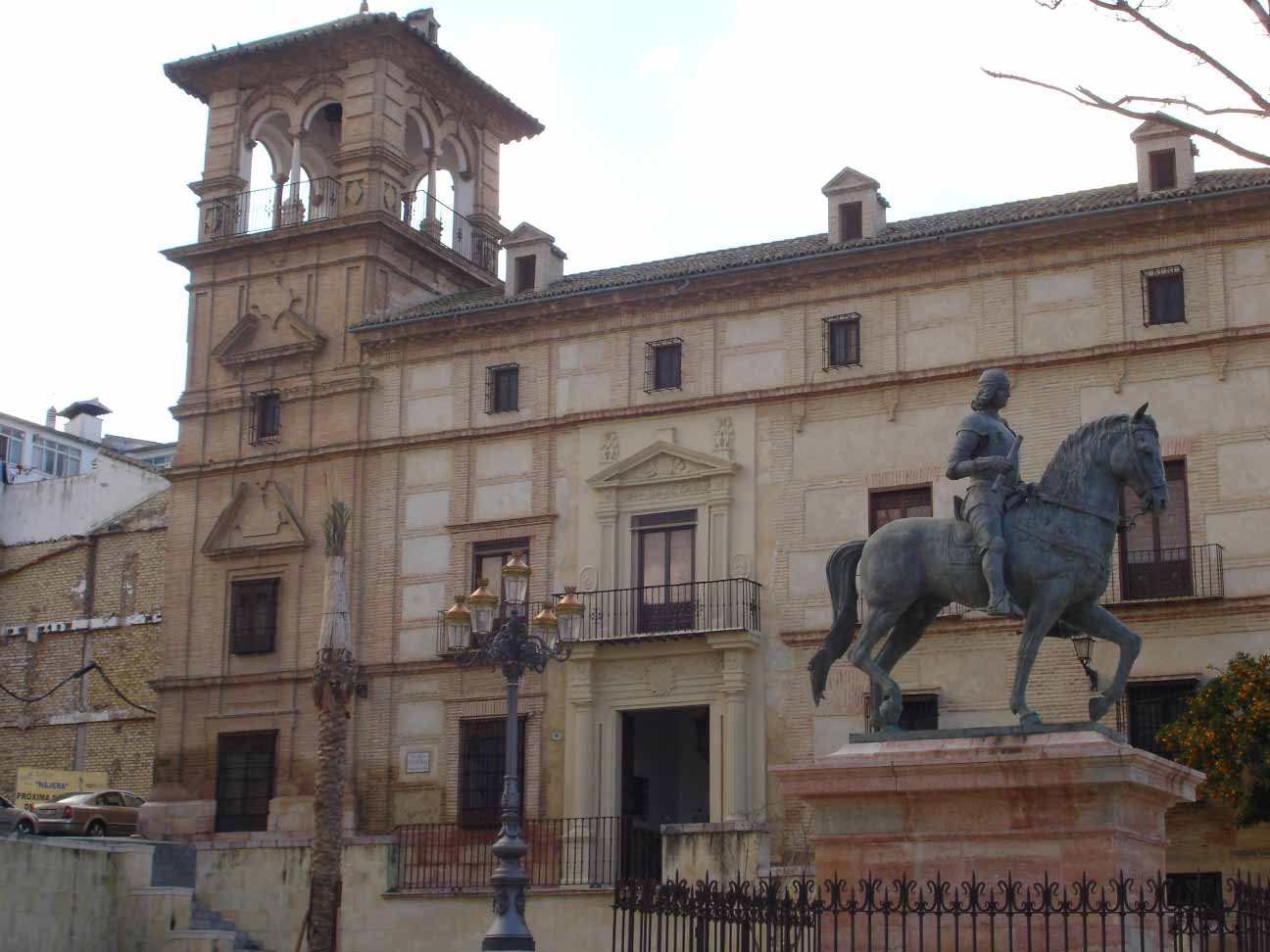
Antequera’s museum isn’t just a place where artifacts are displayed—it’s where the layered history of southern Spain comes alive through objects unearthed from this land. Housed in a 16th-century mansion at the heart of the old town, the building itself is a silent witness to centuries of change, from Moorish rule to the Christian reconquest. The noble family who once lived here would have seen the city transform around them, and now their home holds the traces of those who came long before: tools, jewelry, and everyday items left behind by civilizations that shaped this corner of Andalusia.
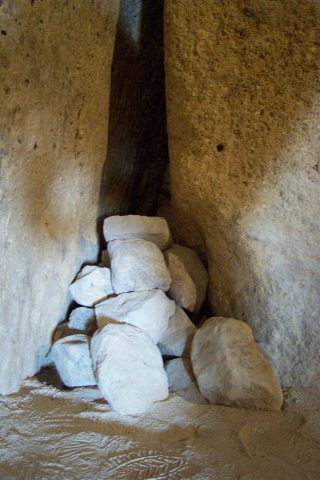
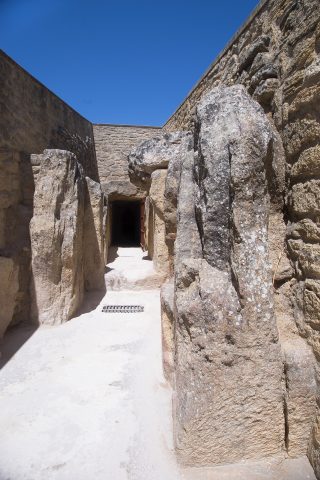
The journey through time begins in prehistory, where the earliest rooms introduce the people who built the megalithic tombs still standing just outside the city. Stone axes, pottery shards, and bone tools fill the cases, but the real draw is the reconstruction of burial chambers, offering a glimpse into the world of the dolmens. These massive structures, erected over five thousand years ago, remain one of the region’s most striking legacies, and the museum helps piece together why they were built and what they meant to those who used them.
The Roman era takes center stage in another section, where Antequera—then known as Antikaria—emerges as an important provincial city. Fragments of mosaics, coins stamped with imperial profiles, and everyday ceramics reveal how deeply Roman culture took root here. A delicate statue of Venus, recovered from local baths, stands as a reminder of the empire’s influence, her features softened by time. Nearby, ordinary objects like oil lamps and storage jars feel strangely familiar, bridging the gap between past and present.
The Middle Ages unfold through a mix of Visigothic, Moorish, and Christian artifacts. After Rome’s fall, these lands changed hands repeatedly, and the museum captures that fluidity. Moorish pottery, with its intricate geometric patterns, sits alongside swords from the Reconquista and religious relics marking Christianity’s return. A collection of coins—Arabic dirhams, Castilian maravedís—tells its own story of shifting power, each piece bearing the marks of the rulers who issued it.
A separate gallery focuses on Antequera’s golden age, when the city flourished during the Renaissance and Baroque periods. Paintings by local artists, ornate church silverware, and carved wooden saints reflect the prosperity of a town that, though small, was a hub of trade and culture. The works of anonymous craftsmen, their names lost to time, still carry an emotional weight, their faces and gestures speaking across centuries. Even the musical instruments on display hint at a vibrant social life, where music and art were woven into daily existence.
The museum doesn’t just dwell on the distant past—it connects history to the living city. One room documents 20th-century Antequera through photographs, documents, and personal belongings: tools of long-gone trades, farming implements, and children’s toys. These humble objects remind visitors that history isn’t just about grand events but also about the people who tilled the soil, mended shoes, and celebrated festivals in the town’s squares. The contrast between these everyday items and the ancient artifacts elsewhere makes the passage of time feel tangible.
The building itself is part of the story. The 16th-century mansion, once home to a prominent family, blends Moorish and Christian architectural elements. Its courtyard, with its columns and fountain, is a classic example of Andalusian design, while inside, original ceiling beams, carved doors, and faded frescoes survive as quiet witnesses to the past. Some rooms still have their old fireplaces and ovens, offering a glimpse into how the house functioned centuries ago. Walking through these spaces, it’s easy to imagine the conversations that once filled them.
What makes the museum special is its unhurried atmosphere. Antequera isn’t a place overrun by tourists, and the lack of crowds allows for a more intimate experience. There’s time to linger over details that might be missed elsewhere—the worn edges of a Roman coin, the delicate brushstrokes on a forgotten painting, the way light falls through the courtyard’s arches. The silence of the old mansion amplifies the sense of connection to the past, as if the walls themselves are sharing stories they’ve held for generations.
This isn’t a museum that tries to impress with grandeur. Instead, it offers something quieter but just as meaningful: a chance to see how people lived, what they valued, and how their world shaped the one that came after. The artifacts here aren’t just relics—they’re fragments of lives, each with its own weight and significance. Leaving the museum, it’s clear that Antequera isn’t just a dot on a map. It’s a place where history isn’t confined to the past but lingers in the stones, the objects, and the memories that still echo through the streets.