The Dolmen of Menga is one of those rare places that make you pause and consider just how long humans have been leaving traces of their existence—traces that outlast lifetimes, empires, even entire eras. Tucked into the rolling hills near Antequera in southern Spain, this megalithic structure dates back to the Neolithic and Bronze Ages, a time when people were first settling into agriculture and building permanent homes. At roughly five thousand years old, Menga predates the Egyptian pyramids, yet unlike those grand tombs of pharaohs, it was never meant for royalty. Instead, it served as a communal burial site, a resting place for members of an early society. Such monuments are uncommon in Europe, and each one holds fragments of a past we can only try to piece together.
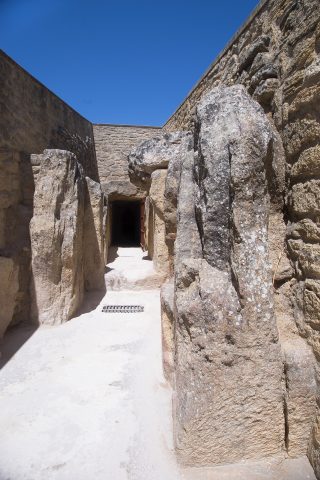
What strikes you first about Menga is its sheer scale. The dolmen is made of colossal stone slabs, some weighing as much as a hundred and fifty tons. How people managed to move and assemble these massive blocks without modern machinery remains a mystery. The most plausible theories suggest the stones were dragged from quarries several kilometers away, perhaps using wooden rollers and ropes. The entrance faces east, aligned with the rising sun, a detail that likely held deep symbolic meaning for its builders. Inside, a long corridor leads to a spacious chamber where human remains were once laid to rest. The structure’s simplicity is deceptive—every stone was placed with deliberate care, its purpose clear even if the exact rituals surrounding it are lost to time.
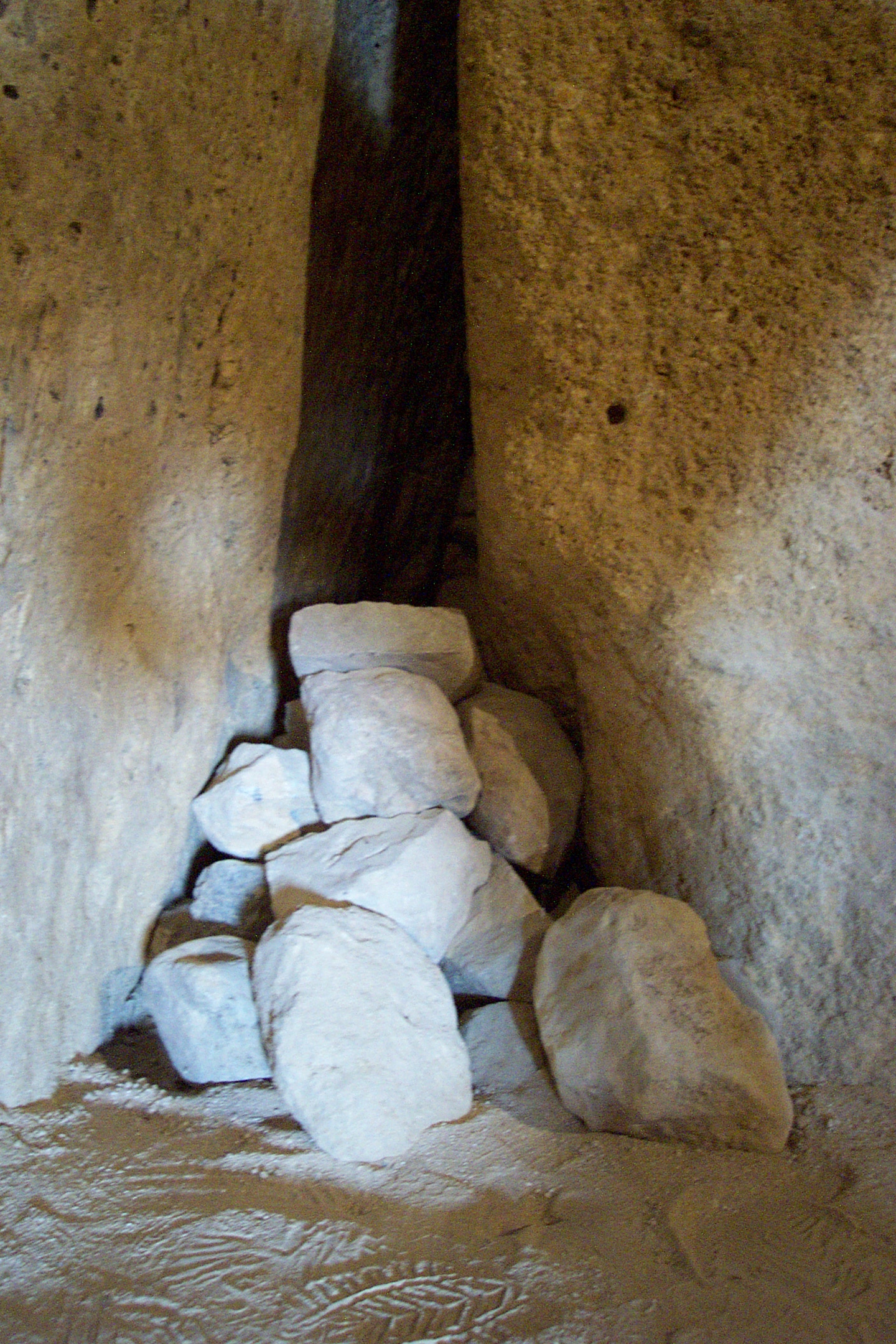
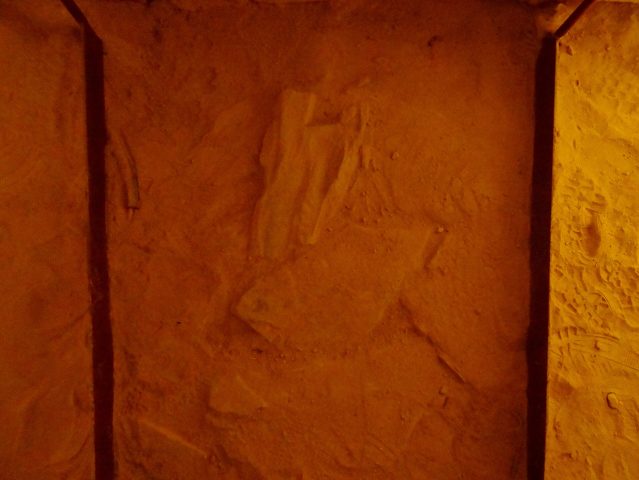
The architecture of Menga is both rudimentary and remarkably precise. The stones fit together with an accuracy that belies their weight, their surfaces smoothed and edges aligned. The roof consists of several horizontal slabs, while the walls taper inward, creating a vaulted effect. Unlike many other megalithic tombs, Menga was never fully buried beneath a mound of earth. Instead, its upper portion remained exposed, forming a low hill that may have served as a landmark or a site for gatherings. The interior still bears faint marks of toolwork, a quiet testament to the skill of its creators.
Menga is not alone in this landscape. Alongside the dolmens of Viera and El Romeral, it forms part of a UNESCO World Heritage Site recognized in 2016. Each of these structures offers a different glimpse into the megalithic culture of the Iberian Peninsula. Viera, for instance, is smaller and simpler in design, while El Romeral stands out for its false vault—a precursor to more advanced architectural techniques. Together, they tell a story of gradual innovation, of communities experimenting with form and function over centuries.
Visiting Menga is less about ticking off a historical site and more about stepping into a place where time feels suspended. The surrounding countryside is a patchwork of olive groves and vineyards, the same crops that have been cultivated here for millennia. In the distance, the jagged limestone formations of El Torcal rise like natural sculptures, adding to the sense of timelessness. The dolmen itself sits on a gentle rise, offering a quiet vantage point over the land. On clear days, the silence is almost tangible, broken only by the occasional rustle of wind through the grass. It’s easy to imagine why this spot was chosen—its stillness feels ancient, as if the earth itself remembers what happened here.
For all its age, Menga remains an enigma. Archaeologists have studied it since the 19th century, yet many questions linger. Who built it? What ceremonies took place within its walls? The remains and artifacts found inside offer only hints. We know that during the Neolithic period, this region was home to settled communities who farmed, herded livestock, and buried their dead with care. But whether the dolmen was solely a tomb or also a gathering place for rituals or communal decisions is still debated. The lack of definitive answers only deepens its allure.
Today, Menga is open to visitors, and reaching it is straightforward. A short drive or a leisurely walk from Antequera brings you to the site, where entry is free. Inside, the air is cool even on the hottest days, and the stone walls create an oddly resonant space—whisper a few words, and the chamber echoes back, as if repeating them. Many who come here speak of an almost tangible connection to the past, a sense of standing where others stood thousands of years ago. It’s a place that invites reflection, not just on history, but on the continuity of human experience.
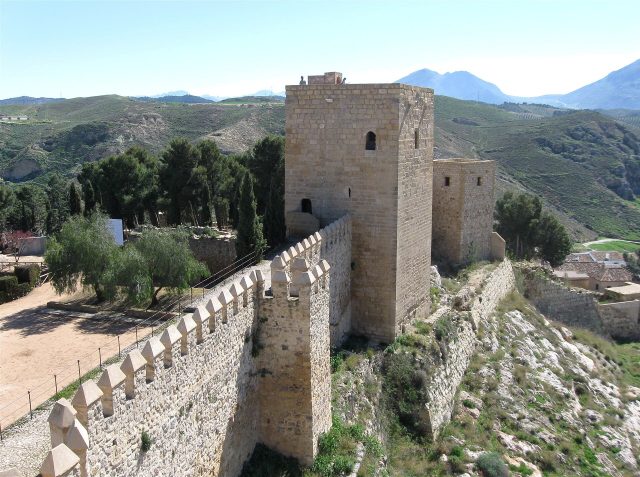
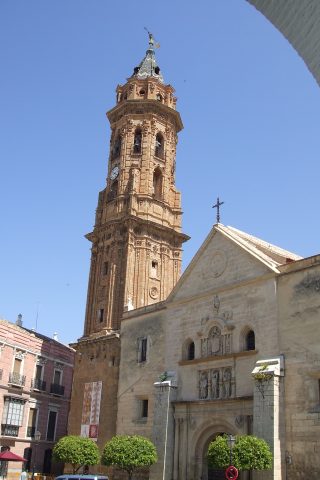
Antequera itself is a town layered with history, from Roman bridges to Moorish fortresses and medieval churches. Yet it’s Menga that gives the area its distinctive character. The dolmen is a reminder that civilizations rise and fall, but the marks they leave behind endure. In that sense, places like this are more than just relics—they’re bridges between eras, prompting us to consider our own place in the long arc of time. Standing inside Menga, it’s impossible not to wonder what traces we’ll leave behind, and who might one day stand where we are now, trying to make sense of it all.