The Viera Dolmen is one of those rare places where the weight of history feels almost tangible, as if the stones themselves still hold the echoes of the people who placed them here thousands of years ago. Tucked away in the rolling hills near Antequera, a town in southern Spain, this ancient burial site dates back to the Neolithic and Bronze Ages, a time when humans were just beginning to experiment with monumental architecture. Its age is estimated at around five thousand years, though archaeologists continue to debate the exact timeline of its construction. What remains undeniable is the ingenuity of its builders, who managed to create something enduring with little more than raw stone and an understanding of the natural world.
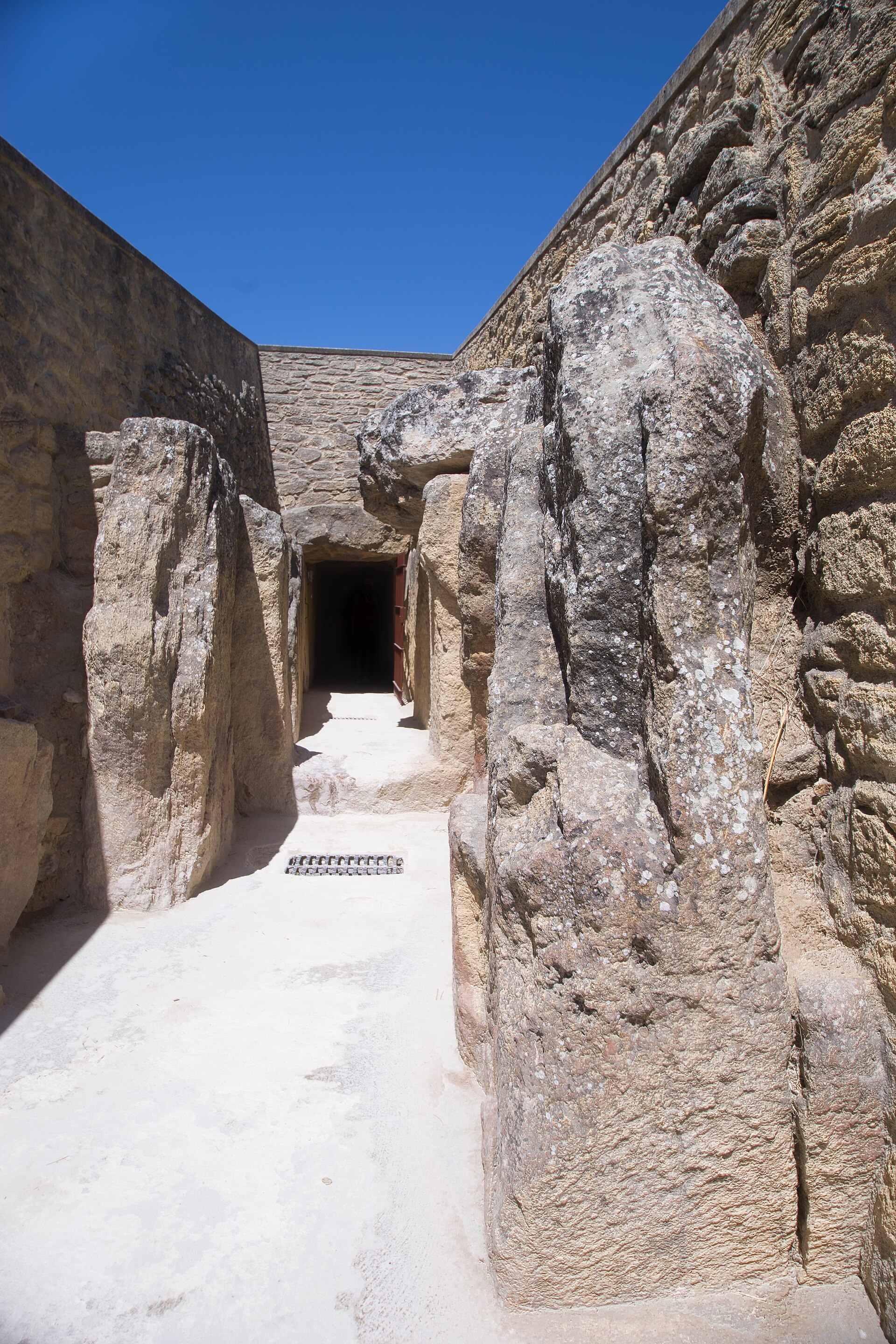
The structure itself is deceptively simple—a long, narrow corridor formed by massive upright slabs, leading to a small chamber at the end. The entrance is precisely aligned so that on the summer solstice, the first rays of sunlight penetrate the passageway, illuminating the interior. This alignment suggests that the builders had a sophisticated grasp of astronomy, using the movement of the sun to mark time and perhaps even to imbue the site with spiritual significance. Standing at the threshold, it’s easy to imagine gatherings of people here, celebrating the changing seasons or performing rituals tied to the cycles of life and death.
What sets the Viera Dolmen apart from other megalithic sites in the region is its understated elegance. Unlike the more elaborate tombs nearby, such as the Menga Dolmen or El Romeral, Viera’s design is minimalist, almost austere. The corridor is low, forcing visitors to crouch slightly as they peer inside, which only heightens the sense of stepping into another world. The stones, though weathered by time, still fit together with remarkable precision, a testament to the skill of their creators. The site doesn’t overwhelm with grandeur; instead, it invites quiet reflection, as if the very simplicity of the structure is meant to focus attention on something deeper.
The dolmens of Antequera were largely forgotten for centuries, known only to locals who likely regarded them with a mix of curiosity and superstition. It wasn’t until the early 20th century that their significance was recognized, leading to archaeological excavations and, eventually, their protection as part of Spain’s cultural heritage. In 2016, the site was designated a UNESCO World Heritage Site, acknowledging its importance not just as a historical monument but as a window into the beliefs and practices of Europe’s earliest farming communities. The landscape around Antequera played a crucial role in the placement of these structures. The area is dotted with olive groves, vineyards, and limestone outcrops, the same material used to construct the dolmens. The locals have long referred to this region as the "land of giants," a name that hints at the awe these ancient monuments inspired.
The Viera Dolmen sits on a gentle rise, offering views of the surrounding valley and, on clear days, the jagged peaks of the Sierra del Torcal. The choice of location was almost certainly deliberate. The Torcal mountains, with their surreal rock formations, would have been a prominent landmark for the people who built the dolmen, and the site’s elevation ensures it remains visible from a distance. Some researchers speculate that these structures may have served as observatories or ceremonial centers tied to agricultural cycles, places where communities could mark the passage of time and honor the forces that sustained them. Whether or not that’s true, there’s an undeniable sense of connection here, as if the land itself is part of the monument.
Reaching the dolmen involves a short walk through olive groves, the path lined with gnarled trees that have witnessed centuries of change. The entrance to the tomb is gated, but the interior remains visible, its cool, dimly lit corridor offering respite from the Andalusian sun. Inside, the air feels still, as if time moves differently within these walls. It’s a place that encourages pause, a moment to consider the hands that shaped these stones and the lives they once commemorated.
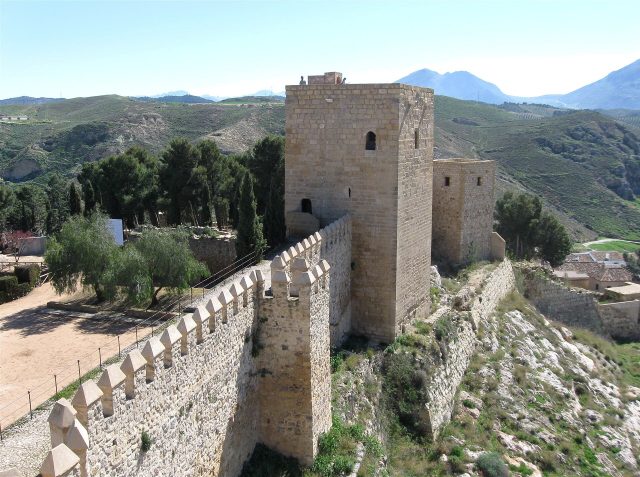
Antequera itself is a town layered with history, where Roman ruins, Moorish fortresses, and Christian churches coexist. Yet it’s the megalithic sites that lend the area its most distinctive character. They serve as a reminder that long before empires rose and fell, before the great religions took shape, there were people here who looked to the sky, to the land, and to each other, seeking to understand their place in the world. The Viera Dolmen is more than just a relic of the past; it’s a bridge to those early human endeavors, a quiet but powerful testament to the enduring need to leave a mark, to create something that outlasts a single lifetime.
Visiting the dolmen is a humbling experience, not because of its size or spectacle, but because of what it represents. It’s a rare opportunity to stand in a space that has remained largely unchanged for millennia, to feel the continuity of human existence in a way that few places allow. The stones don’t tell their story loudly; they don’t need to. Their presence alone is enough to evoke a sense of wonder, a reminder that some questions about our past may never be fully answered, but the search for them is what keeps the past alive.