Sesriem Canyon isn’t just a dot on the map of Namibia—it’s a threshold. Standing at the edge of Namib-Naukluft National Park, it marks the point where the familiar gives way to something far older and wilder. The name itself, meaning "six thongs" in Afrikaans, hints at the practical struggles of early settlers who had to tie together six lengths of leather to draw water from the canyon’s depths. Today, the name carries a quiet irony: this is a place where water is scarce, yet its absence defines everything.
The canyon isn’t man-made, though it might feel like the work of some ancient architect. Over millions of years, the Tsauchab River carved its way through layers of sandstone, leaving behind a narrow gorge with walls that rise nearly thirty meters high. Walking through it, you’re funneled between sheer cliffs that glow in the early light, their surfaces shifting from soft pink to deep ochre as the sun moves. The air is cooler here, even at midday, and the silence is broken only by the occasional rustle of wind or the distant call of a bird. It’s easy to imagine the people who once passed through this same space—San hunters tracking game, early European explorers mapping the unknown, or Nama herders leading their livestock to whatever water they could find.
There’s a sense of timelessness in Sesriem, reinforced by the faint traces of those who came before. Somewhere in the surrounding hills, hidden from casual view, are rock engravings left by the San, their depictions of animals and human figures a record of life in a land where survival was never guaranteed. Most of these sites aren’t accessible to visitors, but knowing they exist adds a layer of depth to the place. You’re not just standing in a canyon; you’re standing in a landscape that has witnessed thousands of years of human existence, where every footstep echoes with the past.
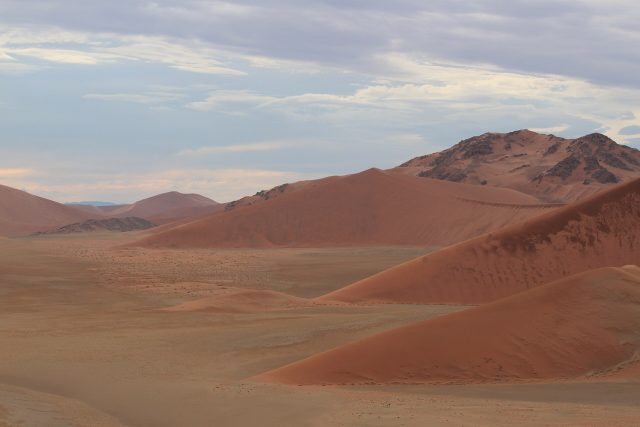
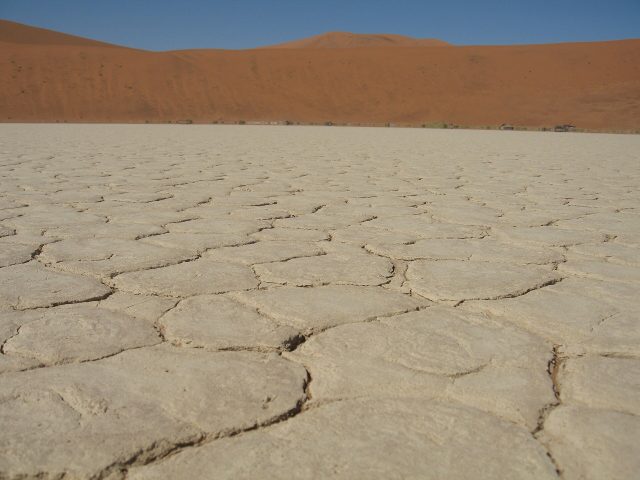
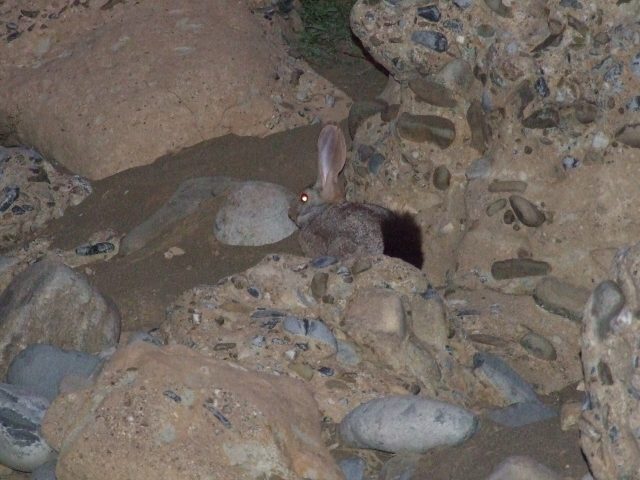
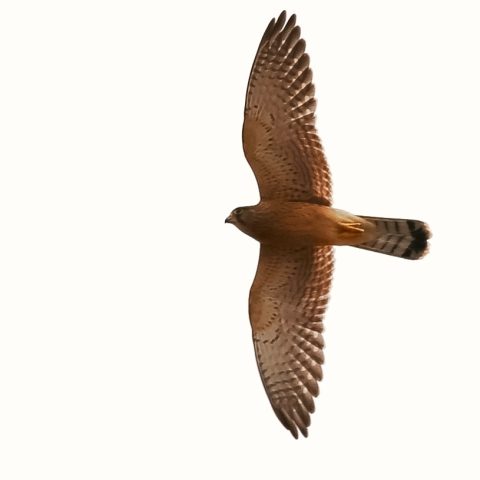
For most travelers, Sesriem is the gateway to Sossusvlei and its towering dunes, but the canyon itself is worth lingering in. During the brief rainy season, a shallow stream might trickle along the canyon floor, drawing in wildlife—springbok, ostriches, or even the elusive oryx, their silhouettes framed against the sandstone. In the dry months, the riverbed is just a memory, but the sand still holds traces of moisture, and life persists in unexpected ways: beetles scuttling across the ground, lizards darting between rocks, the occasional flash of a bird’s wing. The canyon reminds you that the desert isn’t empty; it’s just selective about what it reveals.
Beyond the natural beauty, Sesriem is where two worlds briefly overlap. Tourists arrive in dusty 4x4s, cameras at the ready, eager to capture the next iconic shot. Meanwhile, the local Nama people, who have lived in this region for generations, move through the landscape with a different kind of familiarity. You might glimpse them herding goats near the park entrance or selling handmade crafts from roadside stalls. Their presence is a quiet counterpoint to the idea of the desert as a barren wasteland. For them, this is home—a place of hardship, yes, but also of resilience and adaptation.
The mood of Sesriem shifts with the light. At dawn, the canyon is a place of hushed anticipation, the first rays of sun slanting through the gorge and painting the walls in gold. By midday, the heat drives most visitors away, leaving the space to the wind and the occasional lizard. But as the sun dips toward the horizon, the canyon comes alive again. The sandstone glows in the late light, and the air carries the scent of dry grass and warm earth. It’s in these moments that the place feels most alive—not because of anything dramatic, but because of the way the landscape seems to breathe.
There’s something about Sesriem that resists easy description. It’s not a place of grand monuments or manicured beauty. Instead, it offers something quieter: the chance to step outside of time, even if just for a little while. There are no luxury lodges here, no crowded viewpoints—just the canyon, the sky, and the slow, unhurried rhythm of the desert. It’s a place that demands patience, whether you’re waiting for the perfect light to photograph the dunes or simply sitting still, listening to the silence.
For many, Sesriem marks the beginning of an adventure. From here, the road leads to Sossusvlei’s famous dunes, where the sand rises like waves frozen in time. But it’s also a place to return to, a kind of anchor after days spent wandering the vastness of the Namib. Some travelers camp nearby, sleeping under a sky so dense with stars it feels like you could reach out and touch them. Others gather around a fire, listening to the distant yip of jackals or the whisper of wind through the grass. In those moments, Sesriem doesn’t just feel like a gateway—it feels like a door left slightly ajar, offering a glimpse of a world where time moves differently, and the land sets the rules. If you’re lucky, you might just step through.