Sesriem
Namibia · 6 places
Photo: dconvertini, CC BY-SA 2.0
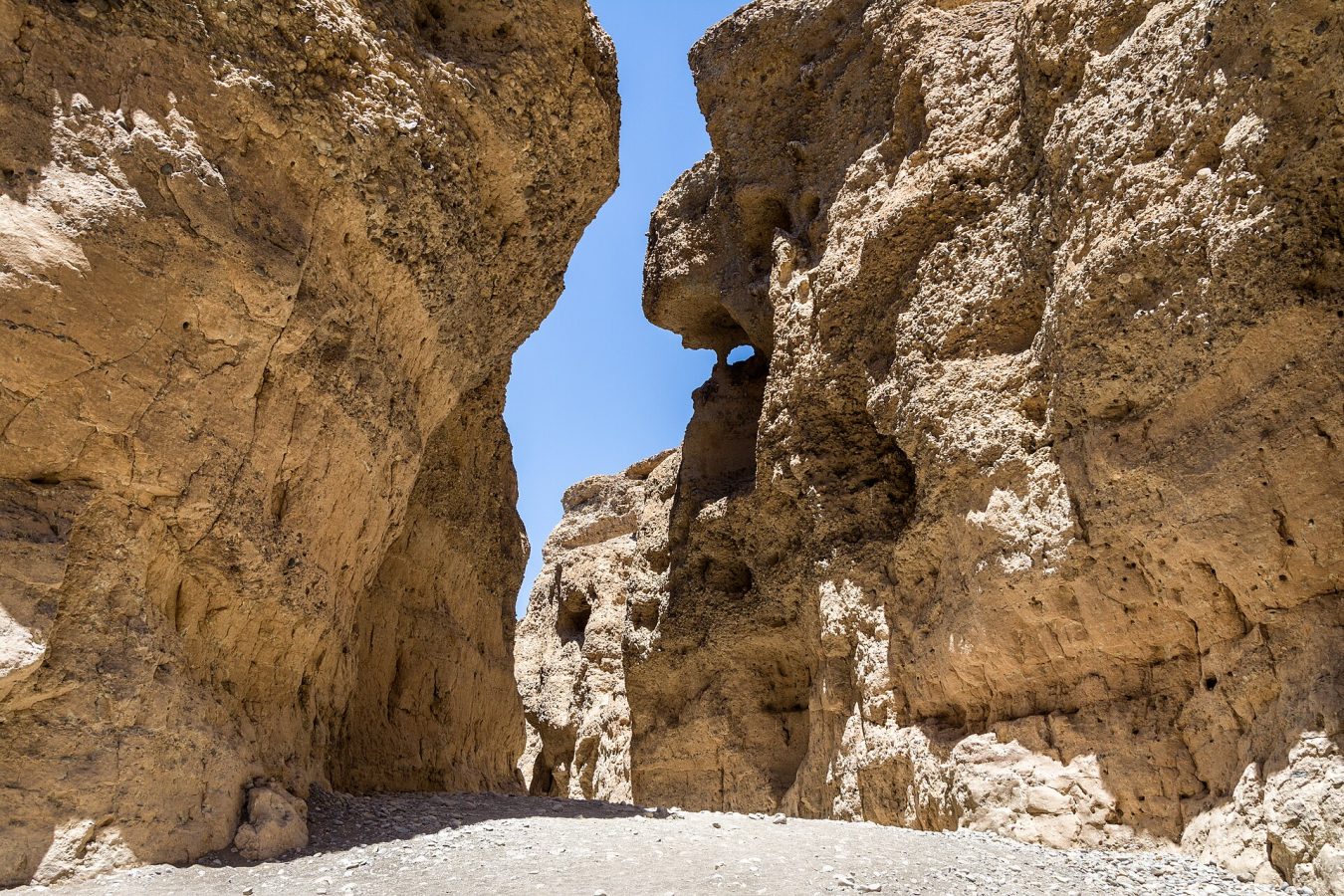
Sesriem isn’t so much a town as it is a threshold—one of those quiet, unassuming places that exist almost entirely to usher travelers into something far grander. Perched on the edge of the Namib Desert, it serves as the last outpost of civilization before the vast, shifting sands of Namib-Naukluft National Park. There are no bustling streets or historic landmarks here, no grand plazas or museums. Instead, there’s only the open sky, the endless dunes stretching beyond the horizon, and the kind of silence that makes you realize just how small you are in the face of the landscape. Most people pass through on their way to Sossusvlei or Dune 45, but those who linger begin to notice the quiet charm of the place—the way the light softens at dawn, the way the wind carries the scent of dry earth and distant rain.
The settlement itself is little more than a handful of lodges, a couple of campsites, a fuel station, and a few simple eateries where you can grab a hearty meal before or after a day in the desert. It’s modest, almost forgettable, until you step outside and see the dunes rising just beyond the last buildings, their curves sharp against the sky. Mornings here are cool, the air crisp as the sun climbs over the horizon, painting the sand in pale pinks and golds. By evening, the heat of the day gives way to a stillness so deep you can hear the wind whispering over the dunes. There’s no nightlife, no crowds—just the occasional hum of a generator and the distant call of a jackal. For many, Sesriem is just a pit stop, but those who stay a little longer find that it has a rhythm of its own.
The desert around Sesriem moves at its own pace, unhurried and deliberate. The dunes aren’t just piles of sand; they’re living things, shifting slowly with the wind, each one unique in shape and hue. In rare years when the rains come, the dry riverbeds fill briefly, and for a short time, the desert blooms—wildflowers pushing through the cracked earth, turning the barren landscape into something almost tender. Even in drought, life persists: beetles scuttle across the sand, lizards dart between rocks, and if you’re lucky, you might spot an oryx picking its way through the dunes or a jackal slinking along the horizon. The local Herero people, who have lived in these harsh conditions for generations, carry on with a quiet resilience, their traditions woven into the fabric of the land.
Time feels different in Sesriem. There’s no rush, no need to be anywhere or do anything. You can sit by a fire as the embers glow, listening to the crackle of burning wood and watching the stars spill across the sky. The night here is so dark that the Milky Way seems close enough to touch, its light casting faint shadows on the sand. For those used to city lights and constant noise, the silence can be unsettling at first, but it’s also strangely liberating. There’s nothing to distract you from the vastness of it all—just the desert, the sky, and the slow, steady breath of the wind.
Despite its small size, Sesriem plays a crucial role in the region. It’s the last place to stock up on supplies before heading deeper into the desert, the starting point for excursions into the national park, and the gateway to some of Namibia’s most iconic landscapes. Yet for all its practicality, it remains a place where you can feel the pulse of the real Namibia—a country of stark contrasts, where endless dunes give way to fertile valleys and ancient traditions coexist with the modern world. Sesriem doesn’t try to impress. It doesn’t need to. Its strength lies in its simplicity, in the way it lets you see the world as it is, unfiltered and unadorned.
See & Do
All of them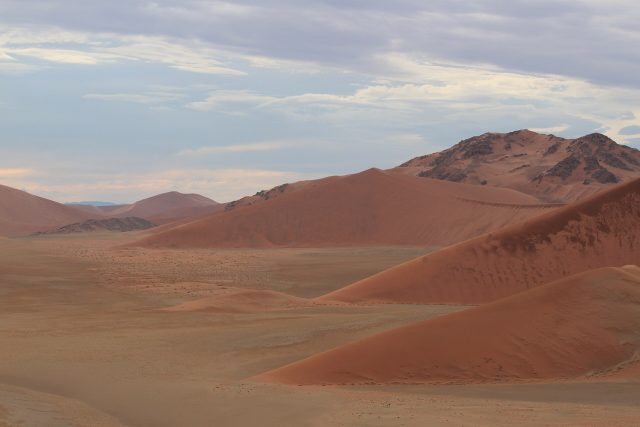
Places on the map
Marker colour follows the categoryClimate and weather
Detailed weather: Sesriem- Average temperature
- 23 °C
- Precipitation per year
- 52 mm
- Average humidity
- 32 %
- Sunshine hours per day
- 11.5 h
- Time zone
- UTC+2 (GMT+2)
Average air temperature
°C
26
27
26
25
22
17
17
19
21
25
26
27
Jan
Feb
Mar
Apr
May
Jun
Jul
Aug
Sep
Oct
Nov
Dec