Sesriem Canyon doesn’t have the fame of the Grand Canyon or the scale of Norway’s fjords. That’s what makes it worth visiting. The cliffs drop suddenly, revealing layers of rock carved by time. It sits deep in the Namib Desert, near the gates of Namib-Naukluft National Park. The name comes from Afrikaans: *ses riems* means "seven thongs." Early settlers and local tribes used leather straps this long to pull water from the canyon’s depths. Seven thongs were enough to fill a bucket in a place where water is never guaranteed.
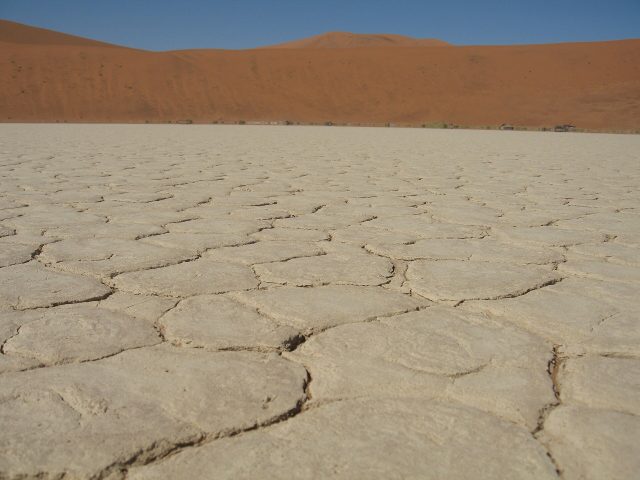
The canyon formed over millions of years. The Tsauchab River, now dry for most of the year, cut through sandstone, shale, and conglomerate. The result is a gorge nearly a kilometer long and up to thirty meters deep. Each layer of rock tells a different story—of ancient rivers, shifting climates, and a landscape that was once less arid. When rain comes, the canyon changes. Pools collect in crevices, and water trickles along the floor. The transformation lasts only a few days, but it proves life here hasn’t vanished—it’s just waiting.
Walking through Sesriem Canyon feels different from other stops. The path twists between sheer walls, sometimes widening into alcoves, sometimes narrowing so you can touch both sides. Sunlight filters through the gap above, casting shifting patterns on the rock. The silence is broken only by the rustle of a lizard or the call of a bird. The heat slows everything down. You move deliberately, listen instead of rush.
People have walked these paths for centuries—hunters, gatherers, pastoralists. They left little behind. The air is dry, the sand soft underfoot. It’s easy to imagine them here, stopping for water, resting in the shade.
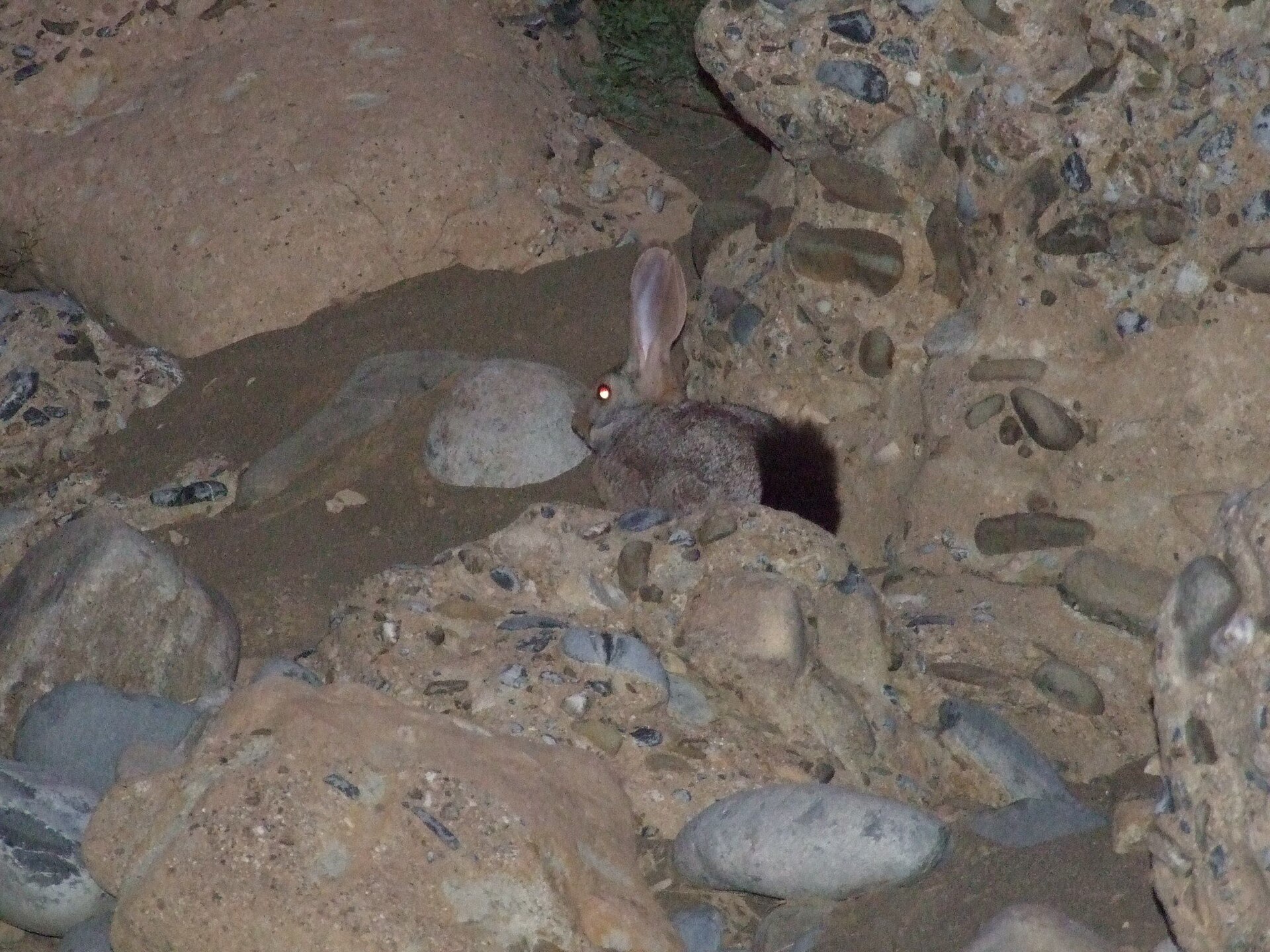
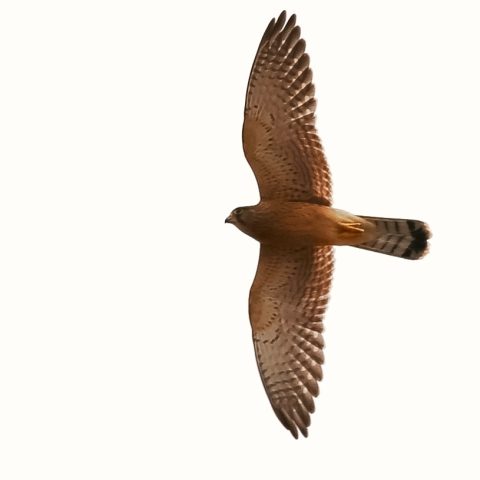
The canyon isn’t lifeless. Rock hyraxes hide in crevices—small creatures that look like rodents but are distant relatives of elephants. Birds of prey circle overhead: pale chanting goshawks, occasional eagles. After rain, tiny crustaceans hatch from dormant eggs in temporary pools. They thrive briefly before the water disappears. Vegetation is sparse but tough—grasses, thorny shrubs, camelthorn trees. They survive on almost no moisture. Together, they form an ecosystem that endures where survival is never certain.
For the Nama and Herero peoples, Sesriem Canyon was more than a water source. It was sacred. Elders told stories here. Decisions were made. Rituals connected the living to the land and its spirits. One legend says a great chief split the earth after his people betrayed him. Science explains it differently, but the stories remain. They remind us the desert was never just a backdrop. It was alive, demanding respect.
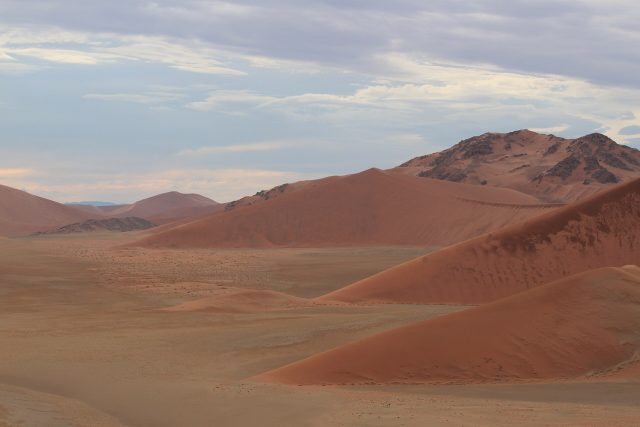
Today, the canyon is part of Namib-Naukluft National Park. You enter through its gates. The fee helps fund conservation. Visit in the early morning or late afternoon, when the light is soft and the heat less intense. Midday sees few visitors—most head to Sossusvlei’s dunes or the Skeleton Coast. Sesriem Canyon stays quiet. It’s not a place for flashy photos or adrenaline. It offers something else: a chance to see the desert as it is, not as a postcard.
Some tours now include the canyon. Night walks let you see shadows dance on the walls under starlight. Guided hikes with local trackers share the landscape’s history and traditions. These experiences turn the canyon into more than a geological feature. It becomes a living piece of history, changing with each visitor who walks its paths.
Sesriem Canyon asks for respect. No signs tell you to stay on the path. You don’t need them. The moment you step inside, you feel its fragility. Footprints disappear almost as soon as they’re made. The desert doesn’t reward haste. It repays patience. Here, travel isn’t just about moving from place to place. It’s about seeing the world through the eyes of those who came before. If you’re quiet, you might hear their echoes in the wind.